
[vc_row][vc_column][vc_column_text]
The transition into postmenopause marks a significant phase in a woman’s life, accompanied by physiological changes that can impact health, well-being, and dietary needs. During this period, adjustments in nutritional intake, particularly the balance of proteins, carbohydrates, and fats, play a crucial role in managing weight, preserving muscle mass, maintaining bone density, and reducing the risk of chronic diseases. Understanding the optimal ratio of these macronutrients can help postmenopausal individuals navigate these changes effectively, ensuring a balanced and healthy diet.
The Importance of Protein
Protein is a cornerstone of a nutritious postmenopausal diet. It supports the maintenance of lean muscle mass, which naturally diminishes with age. This decline in muscle mass is associated with a reduction in metabolic rate and can contribute to weight gain. Furthermore, adequate protein intake is essential for bone health, offering protection against osteoporosis, a common concern during postmenopause. Nutrition experts recommend a protein intake of 1.0 to 1.2 grams per kilogram of body weight per day for older adults. This is slightly higher than the recommendations for younger adults and can be met through a variety of sources, including lean meats, dairy products, legumes, and nuts.
The Role of Carbohydrates
Carbohydrates are the body’s primary energy source. However, the quality of carbohydrates consumed is paramount, especially in the postmenopausal phase. Diets rich in whole grains, vegetables, fruits, and legumes provide essential nutrients, including dietary fiber. Fiber plays a critical role in digestive health, helps regulate blood sugar levels, and contributes to satiety, which can aid in weight management. The recommended distribution of total energy intake from carbohydrates is around 45% to 65%, focusing on complex carbohydrates to avoid spikes in blood sugar and to promote overall health.
Healthy Fats for Heart Health
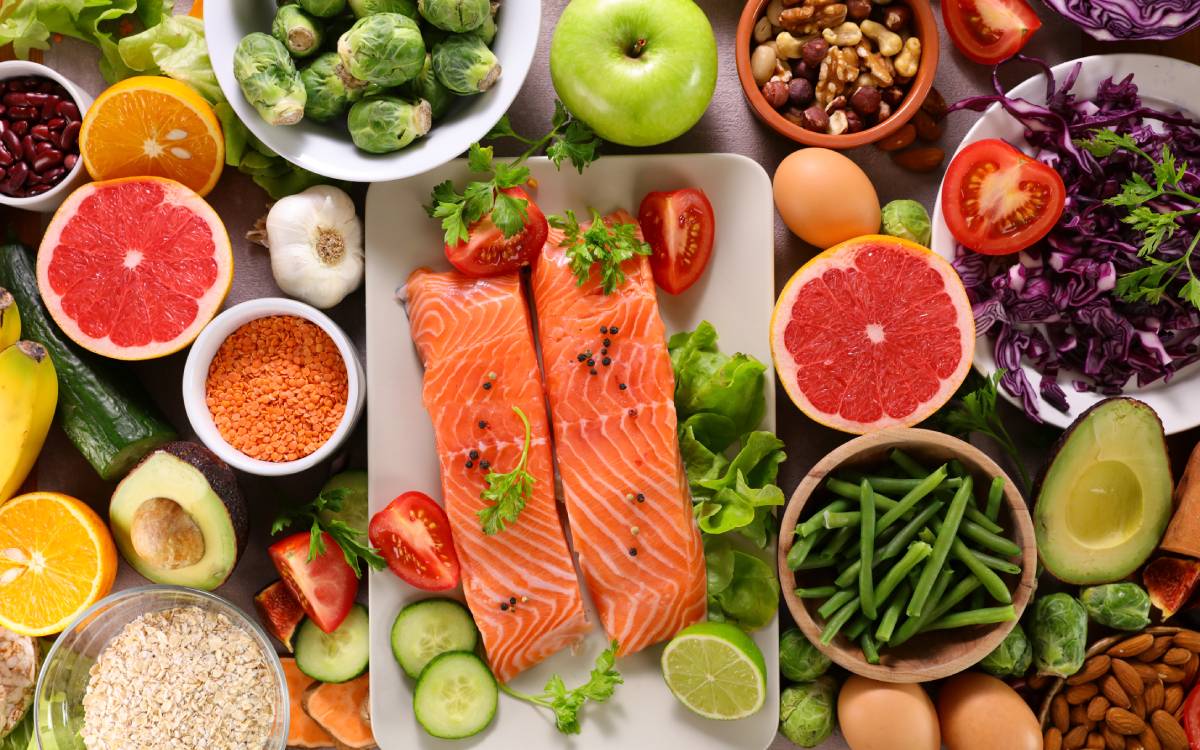
Fats are vital for absorbing fat-soluble vitamins and supporting cell function. During postmenopause, the risk of heart disease increases, making it essential to prioritize healthy fats in the diet. Monounsaturated and polyunsaturated fats, found in olive oil, avocados, nuts, seeds, and fatty fish, are beneficial for cardiovascular health. These fats can help lower bad cholesterol levels and reduce the risk of heart disease. The dietary fat intake should constitute about 20% to 35% of total daily calories, with a focus on reducing saturated and trans fats.
Crafting a Balanced Diet
An optimal dietary ratio for postmenopausal individuals might include approximately 20% to 30% of calories from proteins, 45% to 55% from carbohydrates, and 25% to 35% from fats. However, individual needs can vary based on health status, activity level, and personal goals. It’s important to adjust these ratios to fit one’s specific requirements and to consult with a healthcare provider or a registered dietitian for personalized advice.
Navigating the postmenopausal period with a balanced and nutritious diet is key to managing health challenges and enhancing quality of life. By focusing on a balanced intake of proteins, carbohydrates, and healthy fats, postmenopausal women can support their body’s changing needs, promote overall health, and prevent chronic diseases. Remember, individual dietary needs can vary, making it important to tailor nutrition plans to each person’s unique situation, with guidance from healthcare professionals.
Further Reading:
Healthline: https://www.healthline.com/nutrition/menopause-diet
[/vc_column_text][/vc_column][/vc_row][vc_row css=”.vc_custom_1618658856512{margin-top: 75px !important;}”][vc_column][vc_text_separator title=”Services We Offer:”][vc_column_text]
Laparoscopy | Abnormal Bleeding | Menopause | Minimally Invasive Surgery | Contraception | Pap Smear | Pelvic Pain | Family Planning | STD Testing | Hormone Therapy | Hysterectomy | Infertility | 3D Mammography | Pregnancy & Prenatal Care | Preventive Screening
[/vc_column_text][vc_text_separator title=”Website Navigation:”][vc_column_text]
Home | About | OB Videos | Insurances Accepted | Blog | Providers | Michael Anthony, MD, FACOG | Noemi Maydew, MD, FACOG | Anne Bond Bonpain, MD, FACOG | Elita Wyckoff, MD, FACOG | Gilberto Rodrigo, MD, FACOG | Jennifer Fraley, MD, FACOG | Heather Flowers | Courtney Braswell | Services | Patient Care | Advanced Care Team | Testimonials | Contact Us | Patient Portal
[/vc_column_text][/vc_column][/vc_row]