
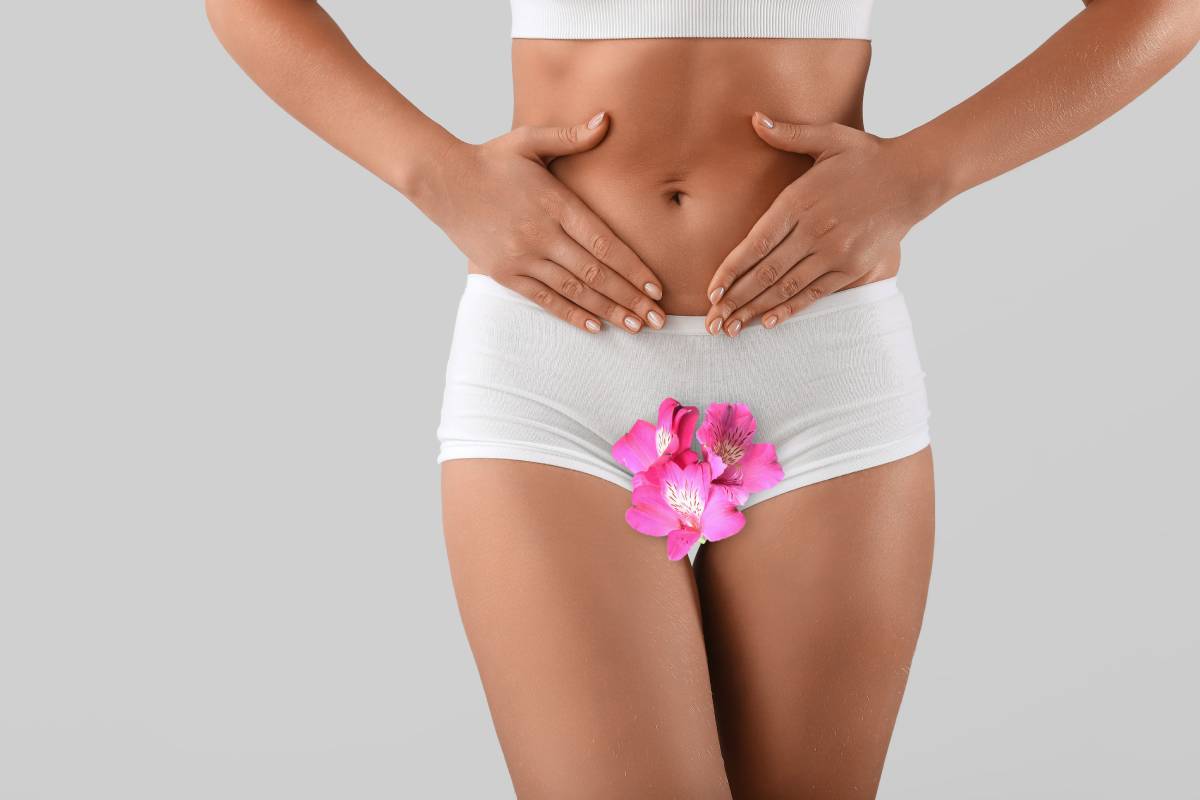
[vc_row][vc_column][vc_column_text css=””]Endometriosis is a complex and often misunderstood condition that affects millions of women worldwide. It occurs when tissue similar to the lining inside the uterus, known as the endometrium, starts to grow outside the uterus. This can lead to chronic pain, fertility issues, and a host of other symptoms that can significantly impact a woman’s quality of life. In this blog, we’ll take a deep dive into the causes, symptoms, impact on fertility, and treatment options for endometriosis.
What is Endometriosis?
Endometriosis is a condition where the tissue that normally lines the inside of the uterus grows outside of it. These growths, or endometrial implants, can be found on the ovaries, fallopian tubes, the outer surface of the uterus, and other organs within the pelvis. Unlike the endometrial tissue inside the uterus, which is shed during menstruation, these growths have no way to exit the body, leading to inflammation, scarring, and adhesions.
Causes of Endometriosis
The exact cause of endometriosis remains unknown, but several theories exist:
- Retrograde Menstruation: This theory suggests that menstrual blood flows backward through the fallopian tubes into the pelvic cavity instead of leaving the body.
- Embryonic Cell Transformation: Hormones such as estrogen might transform embryonic cells into endometrial-like cell implants during puberty.
- Surgical Scars: After surgeries such as a hysterectomy or C-section, the endometrial cells may attach to the surgical incision.
- Immune System Disorders: Problems with the immune system might make the body unable to recognize and destroy endometrial-like tissue growing outside the uterus.
- Genetics: Endometriosis tends to run in families, suggesting a genetic link.
Symptoms of Endometriosis
Symptoms of endometriosis can vary widely among women, but common signs include:
- Pelvic Pain: Often associated with menstrual periods, but can occur anytime during the cycle.
- Menstrual Irregularities: Heavy periods (menorrhagia) or bleeding between periods (menometrorrhagia).
- Pain During Intercourse: Pain during or after sex is common with endometriosis.
- Pain with Bowel Movements or Urination: Especially during menstrual periods.
- Infertility: Endometriosis is found in 20-40% of women who are infertile.
- Other Symptoms: Fatigue, diarrhea, constipation, bloating, and nausea, particularly during menstrual periods.
Impact on Fertility
Endometriosis can significantly impact fertility. It is one of the leading causes of infertility, affecting up to 30-50% of women with the condition. The exact mechanisms are not entirely understood, but several factors may contribute:
- Inflammation: Can damage the sperm or egg or interfere with their movement through the fallopian tubes.
- Scarring and Adhesions: Can block the fallopian tubes or alter the structure of the reproductive organs, preventing fertilization.
- Ovarian Cysts (Endometriomas): Can affect the ovaries’ ability to produce eggs.
Treatment Options for Endometriosis
While there is no cure for endometriosis, several treatment options can help manage the symptoms and improve quality of life:
- Pain Management: Over-the-counter pain relievers such as ibuprofen or prescription medications can help alleviate pain.
- Hormonal Therapies: Birth control pills, gonadotropin-releasing hormone (Gn-RH) agonists and antagonists, progestin therapy, and aromatase inhibitors can reduce or eliminate menstruation, which can help control the growth of endometrial tissue.
- Surgical Options: Conservative surgery to remove as much endometriosis as possible while preserving the uterus and ovaries. For severe cases, a hysterectomy (removal of the uterus) may be considered.
- Fertility Treatment: If fertility is a concern, options such as in vitro fertilization (IVF) may be recommended.
- Lifestyle and Home Remedies: Regular exercise, applying heat to the pelvic area, dietary changes, and acupuncture can help manage symptoms.
Endometriosis is a challenging condition that requires a comprehensive and individualized approach to treatment. If you are experiencing symptoms of endometriosis, it is essential to consult with a healthcare provider who can provide an accurate diagnosis and develop a tailored treatment plan. At Unified Premier Women’s Care, our experienced team is dedicated to providing compassionate and effective care for women with endometriosis. Contact us today to schedule an appointment and take the first step toward managing your symptoms and improving your quality of life. http://caryobgyn.com/contactus/
Further Reading:
WHO: https://www.who.int/news-room/fact-sheets/detail/endometriosis#:~:text=Overview,period%20and%20last%20until%20menopause.[/vc_column_text][/vc_column][/vc_row][vc_row css=”.vc_custom_1618658856512{margin-top: 75px !important;}”][vc_column][vc_text_separator title=”Services We Offer:”][vc_column_text]
Laparoscopy | Abnormal Bleeding | Menopause | Minimally Invasive Surgery | Contraception | Pap Smear | Pelvic Pain | Family Planning | STD Testing | Hormone Therapy | Hysterectomy | Infertility | 3D Mammography | Pregnancy & Prenatal Care | Preventive Screening
[/vc_column_text][vc_text_separator title=”Website Navigation:”][vc_column_text]
Home | About | OB Videos | Insurances Accepted | Blog | Providers | Michael Anthony, MD, FACOG | Noemi Maydew, MD, FACOG | Anne Bond Bonpain, MD, FACOG | Elita Wyckoff, MD, FACOG | Gilberto Rodrigo, MD, FACOG | Jennifer Fraley, MD, FACOG | Heather Flowers | Courtney Braswell | Services | Patient Care | Advanced Care Team | Testimonials | Contact Us | Patient Portal
[/vc_column_text][/vc_column][/vc_row]