
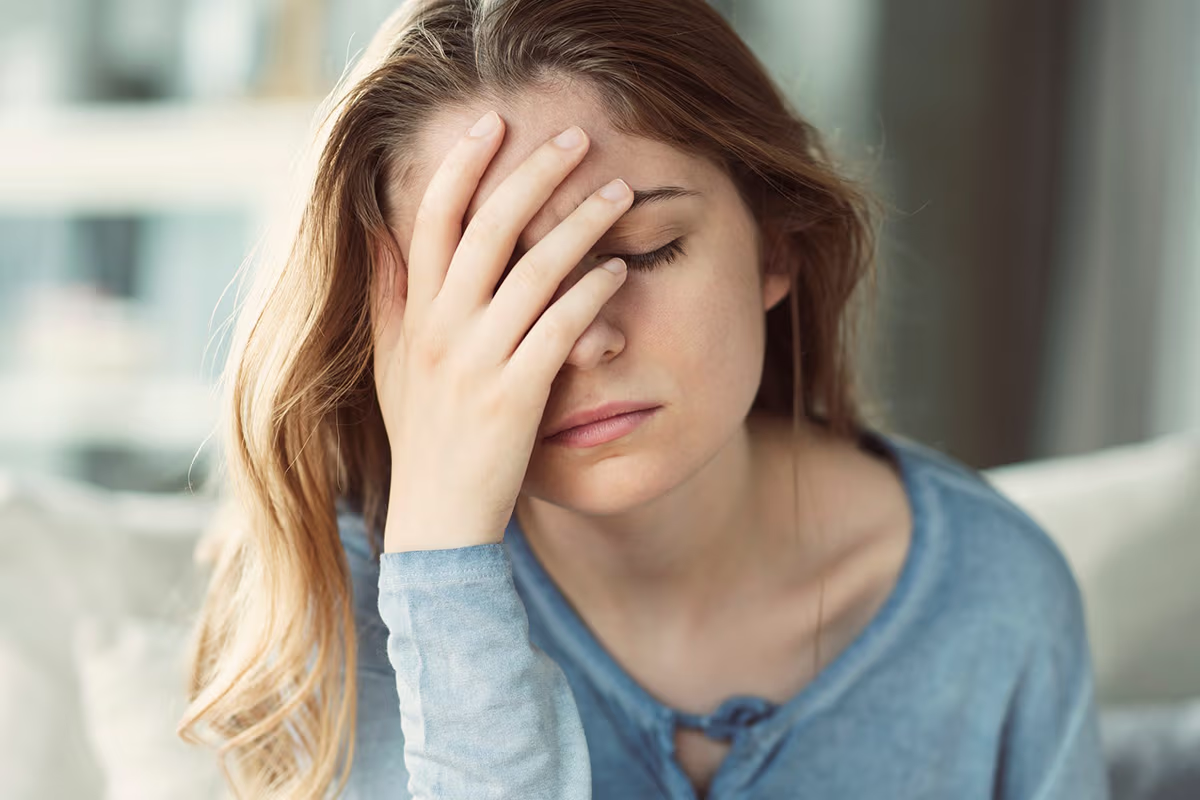
What Are Hormonal Headaches and Migraines?
Hormonal headaches are triggered by fluctuations in estrogen and progesterone—two key female hormones. These changes can occur:
- Before or during menstruation
- During ovulation
- In early pregnancy
- While using hormonal birth control
- Around menopause or perimenopause
Migraine symptoms include:
- Throbbing pain on one or both sides of the head
- Sensitivity to light, sound, or smells
- Nausea or vomiting
- Aura (visual or sensory disturbances before the migraine starts)
Hormonal migraines, also called menstrual migraines, usually occur in the days before or during a woman’s period and may be more severe or longer-lasting than other types.
What Causes Hormonal Headaches?
Estrogen helps regulate the brain's perception of pain. When estrogen levels drop—such as right before menstruation—it can trigger a migraine. Triggers can also include:
- Stress or lack of sleep
- Skipping meals
- Caffeine or alcohol
- Certain foods like chocolate or aged cheese
- Weather changes
Understanding your personal headache patterns is key to finding effective solutions.
Ways to Manage Hormonal Headaches and Migraines
1. Track Your Cycle and Symptoms
Use a journal or app to track when headaches occur in relation to your menstrual cycle. This helps pinpoint whether they are hormonal in nature.
2. Lifestyle Adjustments
- Get regular sleep: Aim for 7–9 hours per night.
- Eat balanced meals: Avoid skipping meals and stay hydrated.
- Limit caffeine and alcohol: These can be common migraine triggers.
- Exercise regularly: Gentle movement like walking, yoga, or swimming can reduce stress and improve hormone balance.
3. Preventive Medications
If your headaches are predictable each cycle, your healthcare provider may recommend:
- NSAIDs like ibuprofen starting a few days before your period
- Triptans, a class of migraine medications used at onset or preventively
- Magnesium supplements, which may reduce menstrual migraine frequency
4. Hormonal Therapies
In some cases, hormonal birth control (like the pill, patch, or ring) may help regulate hormone levels and reduce migraines. However, some women may find that hormonal contraception worsens their migraines, especially if they include aura. Always talk to your OB/GYN about the risks and benefits.
5. Non-Medication Therapies
- Acupuncture
- Biofeedback or relaxation training
- Cognitive-behavioral therapy (CBT)
These can help manage stress-related triggers and reduce migraine frequency or intensity.
When to See a Doctor
Talk to your OB/GYN if:
- Your migraines are severe or disruptive
- Over-the-counter medications aren’t helping
- You’re unsure if your headaches are hormonal
- You experience migraines with aura while on hormonal birth control
Cary OB/GYN can help you explore safe and personalized treatment options, whether your headaches are related to your menstrual cycle, perimenopause, or another hormonal shift.
Taking the Next Step
If you're struggling with hormonal headaches or migraines, you don’t have to suffer in silence. Help is available. Schedule a visit with the caring team at Cary OB/GYN in North Carolina to explore treatment options tailored to your unique hormonal needs: https://www.caryobgyn.com/contactus/