
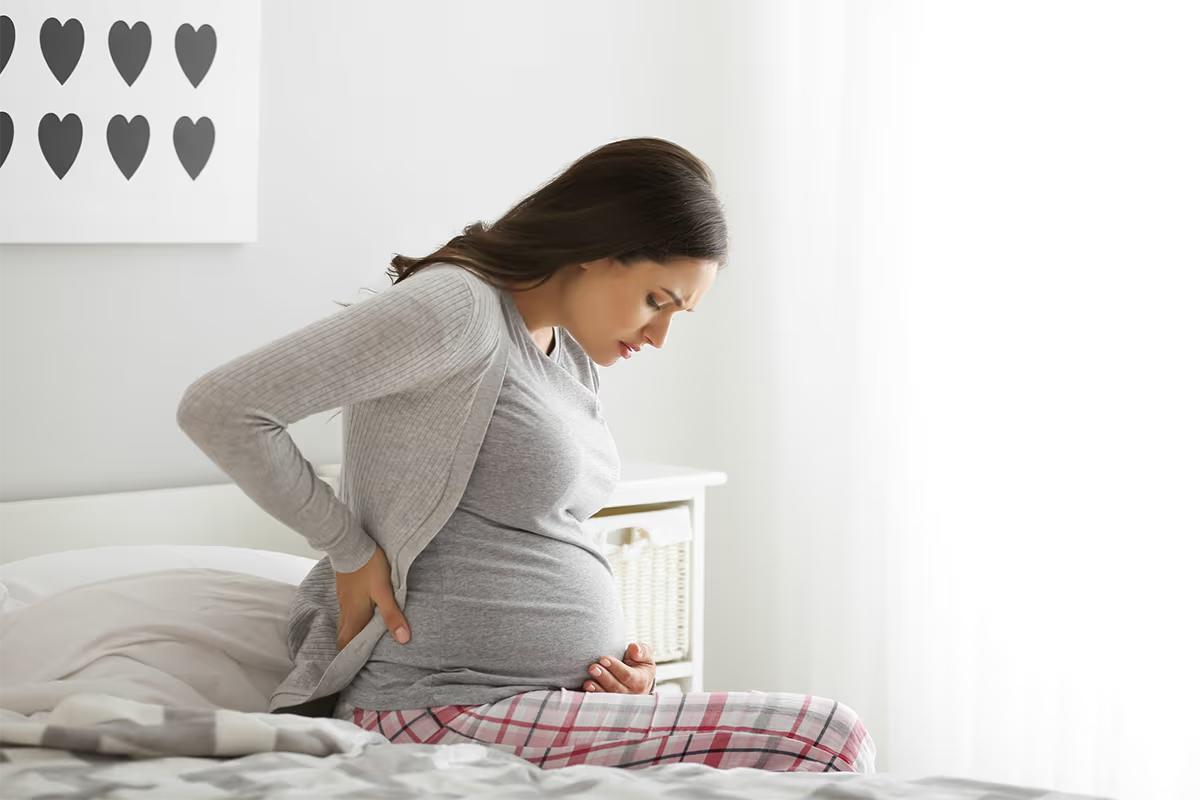
Pelvic pain during pregnancy can be an uncomfortable and sometimes alarming symptom. But how common is it, and when should you seek help? In this blog, we’ll break down the common causes of pelvic pain during pregnancy and offer relief strategies to help you stay comfortable. If you’re experiencing persistent or severe pain, the team at Cary OB/GYN in North Carolina is here to help: https://www.caryobgyn.com/contactus/
What Causes Pelvic Pain During Pregnancy?
Pelvic pain is most often caused by the natural physical and hormonal changes that occur during pregnancy. Some of the most common causes include:
- Round Ligament Pain: As your uterus grows, the round ligaments stretch, often causing sharp or jabbing pain on one or both sides of your lower belly or groin.
- Symphysis Pubis Dysfunction (SPD): Hormones loosen the joints in your pelvis in preparation for childbirth, which can cause instability and discomfort in the pelvic area, especially when walking or climbing stairs.
- Braxton Hicks Contractions: These "practice contractions" can sometimes feel like pressure or tightening in the lower pelvis and abdomen.
- Urinary Tract Infections (UTIs): Pelvic pain accompanied by burning during urination, urgency, or fever may be a sign of a UTI, which requires prompt treatment during pregnancy
- Constipation and Gas: Digestive slowdowns due to pregnancy hormones can lead to uncomfortable bloating and pelvic pressure.
- Pelvic Pressure from Baby: As your baby grows, especially in the third trimester, increased pressure from the weight of the uterus can cause general pelvic heaviness or aching.
- Preterm Labor (Less Common, but Serious): Persistent pelvic pressure, back pain, and cramping in the second or third trimester could indicate early labor and should be evaluated immediately.
Relief Strategies for Pelvic Pain
Fortunately, several strategies can provide relief from pelvic discomfort:
- Prenatal yoga or stretching to gently ease pelvic tension
- Warm baths or applying a warm (not hot) compress to sore areas
- Pelvic support belts to stabilize the hips and lower back
- Sleep with a pregnancy pillow to support your hips and spine
- Stay active with low-impact exercise like walking or swimming
- Use proper body mechanics when getting up, sitting, or lifting
- See a physical therapist who specializes in prenatal care
- Hydration and fiber-rich diet to prevent constipation
When to Call Your Doctor
Call your provider if your pelvic pain is:
- Severe or sudden
- Accompanied by fever, bleeding, or dizziness
- Associated with painful urination
- Getting worse despite self-care
- Rhythmic or cramp-like in the second or third trimester
These may be signs of an infection, preterm labor, or another condition that needs medical attention.
Supporting You Through Every Trimester
Pregnancy comes with many changes, and pelvic pain is a common—but manageable—symptom. If you’re unsure whether your discomfort is normal or something more, the experienced team at Cary OB/GYN in North Carolina can guide you through it. Contact us for personalized prenatal care: https://www.caryobgyn.com/contactus/