
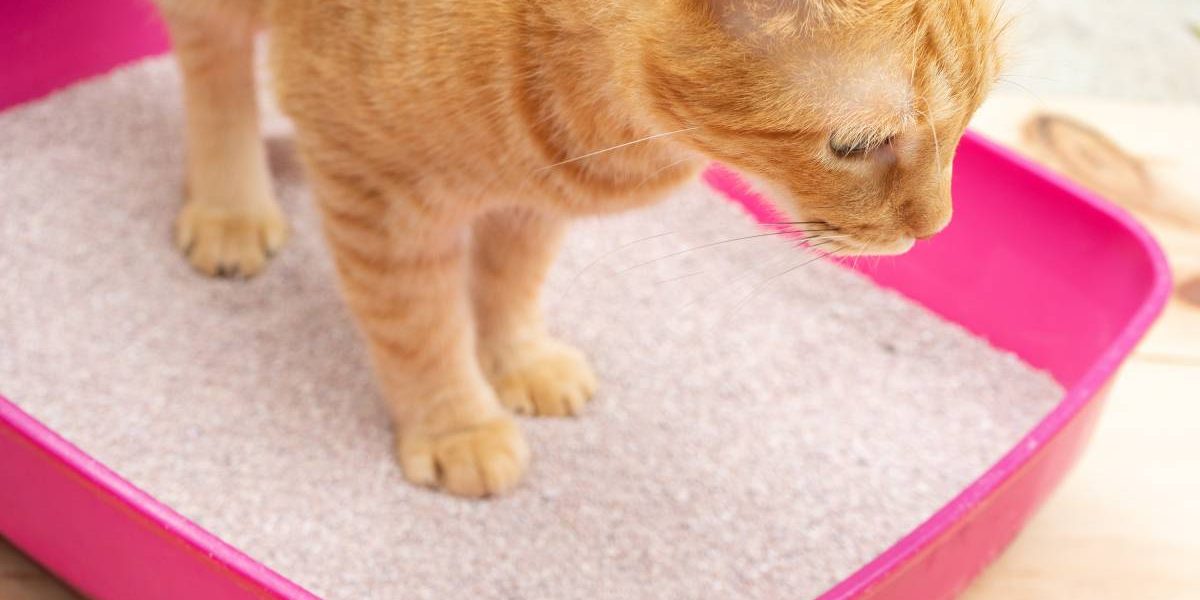
Pregnancy is a time of excitement, anticipation, and preparation for the arrival of your little one. As you make adjustments to your daily routine to ensure a healthy and safe pregnancy, one often-overlooked concern is your interaction with kitty litter. If you have a cat at home, it’s important to understand the potential risks associated with handling kitty litter during pregnancy. At Cary OB/GYN in North Carolina, we want to provide you with the information you need to stay safe and protect both your health and your baby’s health.
Why is Kitty Litter a Concern During Pregnancy?
The primary concern with kitty litter during pregnancy is the risk of toxoplasmosis, an infection caused by the parasite Toxoplasma gondii. This parasite can be found in contaminated soil, undercooked meat, and, importantly, in the feces of infected cats. While toxoplasmosis is generally harmless to healthy adults, it can pose serious risks to a developing fetus, potentially leading to miscarriage, stillbirth, or congenital disabilities. Cats can become infected with Toxoplasma gondii by eating infected prey, such as rodents, or by consuming raw or undercooked meat. The parasite can then be shed in the cat's feces for several weeks, contaminating the litter box. As a result, pregnant women who come into contact with contaminated litter can inadvertently contract toxoplasmosis.How to Reduce the Risk of Toxoplasmosis During Pregnancy
If you have a cat, there’s no need to worry excessively or consider rehoming your furry friend. By following a few simple precautions, you can significantly reduce your risk of toxoplasmosis while keeping your cat and your pregnancy safe:- Avoid Handling Kitty Litter: The most effective way to prevent exposure to toxoplasmosis is to avoid handling kitty litter altogether during pregnancy. If possible, ask a partner, family member, or friend to take over the task of cleaning the litter box for the duration of your pregnancy.
- Use Gloves and Wash Your Hands: If you must handle the litter box, wear disposable gloves and wash your hands thoroughly with soap and water afterward. This helps reduce the likelihood of accidentally ingesting any particles that may contain the parasite.
- Clean the Litter Box Daily: The Toxoplasma gondii parasite becomes infectious 1-5 days after being shed in a cat’s feces. By cleaning the litter box daily, you can reduce the risk of exposure to the parasite before it becomes infectious.
- Keep Cats Indoors: Indoor cats are less likely to be exposed to Toxoplasma gondii since they are less likely to hunt or consume raw meat. Keeping your cat indoors can reduce their risk of infection and, consequently, your own risk.
- Practice Good Hygiene: In addition to wearing gloves when cleaning the litter box, always wash your hands thoroughly after gardening, handling raw meat, or touching any soil or sand that may have been contaminated with cat feces.
- Avoid Stray or Unknown Cats: Stray or outdoor cats are more likely to carry Toxoplasma gondii. Avoid handling stray cats or adopting new cats during your pregnancy, especially if their health history is unknown.
- Cook Meat Thoroughly: Since toxoplasmosis can also be contracted from undercooked meat, ensure that all meat is cooked to safe temperatures, and avoid consuming raw or undercooked meat products during pregnancy.