
Family planning is a deeply personal process that allows individuals and couples to make intentional decisions about if, when, and how to grow their families. Whether you are considering pregnancy now, planning for the future, or choosing to prevent pregnancy, family planning services play a vital role in supporting reproductive health at every stage of life.
At Cary OB/GYN, we believe that informed choices and personalized care are the foundation of effective family planning. Our goal is to provide guidance, education, and medical expertise so patients feel confident in their decisions and supported throughout their reproductive journey.
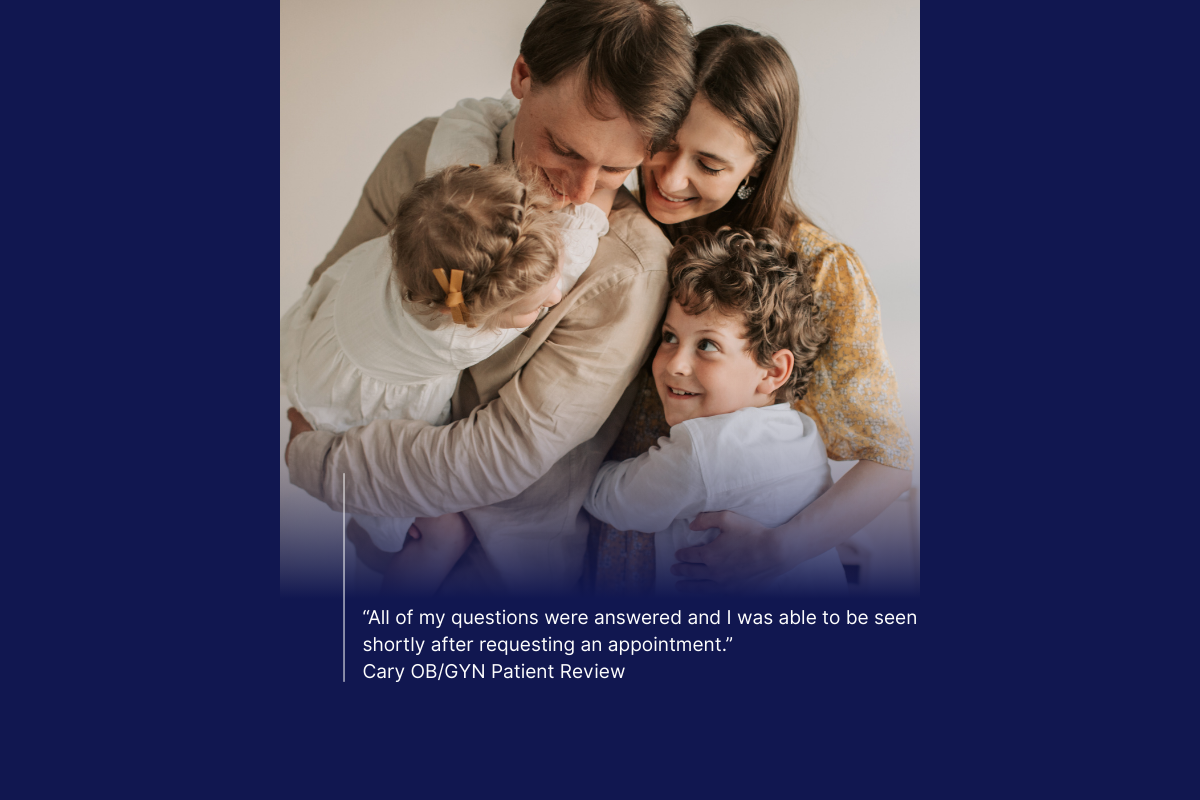
“All of my questions were answered and I was able to be seen shortly after requesting an appointment.”
Cary OB/GYN Patient Review
What Is Family Planning?
Family planning refers to the use of medical care, education, and resources to help individuals achieve their reproductive goals. This may include:
- Planning for pregnancy
- Preventing pregnancy
- Spacing pregnancies safely
- Addressing fertility concerns
- Managing reproductive health conditions
Family planning is not a one-size-fits-all approach. Needs and priorities can change over time, making ongoing conversations with your OB/GYN essential.
Why Family Planning Matters
Thoughtful family planning supports both short-term and long-term health. It allows individuals to:
- Prepare physically and emotionally for pregnancy
- Reduce health risks associated with closely spaced or unintended pregnancies
- Manage chronic conditions before conception
- Choose contraception that aligns with lifestyle and health needs
- Feel empowered and informed about reproductive choices
By working with a trusted provider, patients can make decisions that support their overall well-being.
Planning for Pregnancy
For those hoping to conceive, family planning begins well before a positive pregnancy test.
Preconception Care
Preconception care focuses on optimizing health prior to pregnancy and may include:
- Review of medical history and medications
- Screening for chronic conditions such as diabetes or thyroid disease
- Evaluation of menstrual cycles and ovulation
- Genetic screening, when appropriate
- Nutritional counseling and prenatal vitamin recommendations
- Guidance on lifestyle factors such as exercise, stress, smoking, and alcohol use
Preparing in advance can help reduce pregnancy complications and support a healthy start.
Timing and Fertility Awareness
Understanding your menstrual cycle and identifying fertile windows can increase the chances of conception. Fertility awareness methods may involve:
- Tracking menstrual cycles
- Monitoring ovulation signs
- Using ovulation predictor kits
If pregnancy does not occur within expected timeframes, your OB/GYN can help determine next steps.
When to Seek Fertility Evaluation
You may consider a fertility evaluation if:
- You are under 35 and have been trying to conceive for 12 months
- You are 35 or older and have been trying for 6 months
- You have irregular periods or known reproductive conditions
- You have a history of pelvic surgery or infections
Early evaluation allows for timely identification of potential concerns and treatment options.
Pregnancy Spacing and Reproductive Health
Spacing pregnancies appropriately is an important aspect of family planning. Adequate spacing can:
- Reduce the risk of pregnancy complications
- Support maternal recovery between pregnancies
- Improve outcomes for future pregnancies
Your OB/GYN can help guide safe timing based on your individual health history and goals.
Preventing Pregnancy: Birth Control Options
Family planning also includes choosing effective contraception for those who are not planning pregnancy. There are many safe and reliable birth control options available, and the right choice depends on health, lifestyle, and personal preference.
Hormonal Birth Control
Hormonal methods work by preventing ovulation or altering the uterine environment and may include:
- Birth control pills
- Hormonal patches or vaginal rings
- Hormonal intrauterine devices (IUDs)
- Birth control injections
These methods are often chosen for their effectiveness and cycle regulation benefits.
Non-Hormonal Birth Control
For those who prefer to avoid hormones, non-hormonal options include:
- Copper IUDs
- Barrier methods such as condoms or diaphragms
- Fertility awareness methods
Each option has unique advantages and considerations that can be discussed with your provider.
Long-Acting Reversible Contraception (LARC)
LARC methods, such as IUDs and implants, provide long-term pregnancy prevention with minimal maintenance. They are:
- Highly effective
- Reversible
- Suitable for many women, including those who have not had children
These options are ideal for patients seeking reliable, low-maintenance contraception.
Family Planning at Different Life Stages
Family planning needs often evolve over time.
Teens and Young Adults
Education and access to contraception help prevent unintended pregnancy and support reproductive health awareness.
Women in Their 20s and 30s
This stage may involve pregnancy planning, contraception, or both. Career, relationships, and health considerations often influence decisions.
Women in Their 40s
Family planning may focus on preventing unintended pregnancy, managing perimenopausal changes, or addressing fertility concerns later in life.
Ongoing conversations with your OB/GYN help ensure your care aligns with your current goals.
Managing Health Conditions Through Family Planning
Certain medical conditions can affect family planning decisions, including:
- Polycystic ovary syndrome (PCOS)
- Endometriosis
- Thyroid disorders
- Hypertension or diabetes
Family planning visits allow providers to tailor contraception or fertility care while managing these conditions safely.
Emotional and Relationship Considerations
Family planning is not solely a medical decision. Emotional readiness, relationship dynamics, cultural values, and personal beliefs all play important roles. Open communication with your partner and provider can help navigate these complex factors.
Counseling or support services may also be beneficial when facing difficult decisions or fertility challenges.
The Role of Your OB/GYN in Family Planning
Your OB/GYN is a trusted partner in family planning. During visits, your provider can:
- Answer questions and address concerns
- Provide evidence-based recommendations
- Adjust plans as your needs change
- Ensure confidentiality and compassionate care
At Cary OB/GYN, we prioritize shared decision-making and personalized guidance.
“Great visit they got me in and addressed my concerns and relayed the information to my doctor.”
Cary OB/GYN Patient Review
Taking the Next Step
Whether you are planning for pregnancy, seeking reliable birth control, or simply exploring your options, family planning is an ongoing process that benefits from expert support.
If you have questions about family planning or would like to schedule a consultation, the team at Cary OB/GYN is here to help you navigate your reproductive health with confidence and clarity.