
Summer Health Tips: Staying on Top of Your Annual Well-Woman Exam

Summer Health Tips: Staying on Top of Your Annual Well-Woman Exam

Summer has a way of filling up fast. Between kids out of school, vacations, and longer evenings that seem designed for everything except health appointments, it's easy to let your annual well-woman exam drift toward fall  and then toward the end of the year and then, somehow, into next year.

We get it. But we also know this: the women who feel most in control of their health are the ones who make that appointment a non-negotiable, not something they fit in when everything else settles down. And honestly? Summer is actually a great window to get it done.

What Happens at a Well-Woman Exam?

A well-woman exam is more than a Pap smear. It's an annual check-in on your whole gynecologic and reproductive health: a chance to catch things early, ask questions that have been on your mind, and make sure you're heading into the second half of the year feeling informed and looked after.

Depending on your age and health history, your visit at Cary OB/GYN may include a pelvic exam, a Pap smear (if you're due for one), a breast exam, and a review of your blood pressure, weight, and general health. It's also a natural moment to revisit your contraception or family planning needs: because life changes, and your birth control should keep up.

For the first time since I gave birth to my 3 year old I felt like my provider actually listened to me and treated all of my concerns like they were concerns. Other providers have made me feel like my concerns were nothing or not important.
—Cary OB/GYN Patient Review

A Perk Worth Knowing: In-Office 3D Mammography

One of the things our patients appreciate most is that at Cary OB/GYN, you can get your annual mammogram without scheduling a separate appointment at a separate imaging center. We offer 3D mammography right in our office, often on the same day as your well-woman exam.

3D mammography creates layered, detailed images of breast tissue that can detect abnormalities more accurately than traditional 2D screening, especially for women with dense breast tissue. If you're due for a mammogram, ask about scheduling it alongside your exam. One trip. One day. Done.

A Few Summer Health Tips

The season itself brings some health considerations worth keeping on your radar:

Hydration and your urinary tract

Warmer weather, more outdoor activity, and let's be honest, more alcohol and caffeine on vacation can all increase your risk for urinary tract infections. Staying well hydrated is one of the simplest things you can do for urinary tract health. If you're prone to UTIs, talk to your provider at your well-woman visit about strategies for prevention.

STI screening: more relevant than you might think

Summer travel, new relationships, and changing circumstances make this a good time to think about STI testing if you haven't been tested recently. Routine screening is part of responsible health care: confidential, quick, and easy to include in your annual visit.

The facility was clean. All personnel dealt with were accommodating. Dr. Rodrigo was very knowledgeable and helpful.
— Cary OB/GYN Patient Review 

Heat and hormonal symptoms

If you're in perimenopause or menopause, summer heat can amplify hot flashes and night sweats in ways that make the season genuinely miserable. Don't white-knuckle through it. There are effective options  from hormone therapy to non-hormonal approaches that can make a meaningful difference in your quality of life. Our menopause care team is here to help you find what works for your body.

Abnormal bleeding: don't file it away until fall

If you've been noticing heavier periods, bleeding between cycles, or anything that feels off, please don't put it on the mental back-burner until the fall. Abnormal uterine bleeding is worth evaluating promptly, it can signal conditions like fibroids or hormonal imbalances that are very treatable when caught early.

The Insurance Angle

If your health insurance plan runs on a calendar year and you've already met your deductible, summer is a financially smart time to come in — preventive screenings and diagnostic follow-ups cost you less when your deductible is already satisfied. Don't let those benefits go unused.

Make This the Summer You Prioritize Yourself

We know your schedule is full. But an annual well-woman exam is one of those appointments that pays dividends far beyond the hour it takes. Our team at Cary OB/GYN is welcoming new and established patients at both our Cary and Morrisville locations, and we'd love to see you this summer.

Call us at (919) 467-5941 or book your appointment online:  your future self will thank you.

Managing Chronic Pelvic Pain — When to Seek Help

Managing Chronic Pelvic Pain — When to Seek Help

Chronic pelvic pain is one of the most common reasons women visit a gynecologist and one of the most undertreated. Women often describe living with pelvic pain for months or years before seeking care, sometimes because they assumed the discomfort was just part of being a woman, or because a previous provider dismissed their concerns. Neither of those things should be true.

At Cary OB/GYN, we want to be direct: pelvic pain that persists, interferes with your life, or simply doesn't feel right deserves a thorough evaluation. You should not have to manage it alone, push through it indefinitely, or accept that nothing can be done. There are answers  and there are effective treatments.

What Counts as Chronic Pelvic Pain?

Chronic pelvic pain is generally defined as pain in the lower abdomen or pelvis lasting six months or longer. But that definition shouldn't be a reason to wait six months before calling your doctor. If your pain is recurring, worsening, or affecting your quality of life, that's worth addressing now; not six months from now.

The pain might be constant or come and go. It might be tied to your menstrual cycle or completely unpredictable. It might feel like a dull ache, sharp cramps, pressure, or burning. All of these presentations matter and all of them deserve attention. Our pelvic pain team is experienced in working through the complexity.

The front office workers were very welcoming and the nurse is always so nice and inviting. A lot of the women in my family see Dr. Piper. She is absolutely professional, always taking time with her patients and she is very knowledgeable of her job about everything. If you need help with menopause she is the 'it doctor'.
— Cary OB/GYN Patient Review 

What Could Be Causing It?

Pelvic pain rarely has a single, simple cause. It can originate from gynecologic, urologic, gastrointestinal, or musculoskeletal sources and often involves more than one. Common contributors include:

  • Endometriosis — where tissue similar to the uterine lining grows outside the uterus, causing inflammation and pain that often worsens around menstruation
  • Uterine fibroids — noncancerous growths that can cause heaviness, cramping, and pressure
  • Ovarian cysts — which may cause intermittent or sudden pain depending on size and behavior
  • Pelvic inflammatory disease (PID) — infection of the reproductive organs, often resulting from an untreated STI
  • Pelvic floor dysfunction — tightness, weakness, or coordination problems in the pelvic floor muscles
  • Interstitial cystitis — a chronic bladder condition causing persistent pelvic pressure and urinary urgency
  • Irritable bowel syndrome (IBS) or other gastrointestinal conditions

In some cases, chronic pelvic pain is connected to past trauma or a sensitized nervous system, which requires a compassionate, whole-person approach to care. Whatever the underlying cause, a correct diagnosis is the foundation of effective treatment.

When Should You Call Us?

There's no need to wait until you're debilitated. You should schedule an evaluation if your pelvic pain:

  • Has lasted more than a few days and isn't explained by a known cause like menstruation
  • Is getting worse over time, not better
  • Makes it hard to work, exercise, sleep, or go about daily life
  • Occurs during or after sex
  • Is accompanied by abnormal bleeding: between periods, after sex, or unusually heavy
  • Hasn't responded to over-the-counter pain relievers

If you experience sudden, severe pelvic pain, seek care immediately. This can sometimes signal an urgent condition like ovarian torsion or ectopic pregnancy.

“The provider that I saw, Jessica Ramirez-Trower, CNM, MSN, was incredible. She made sure I am comfortable with the exam and the procedure, she explained everything really well and answered all my questions. She also made sure that I understood my treatment options and she also educated me on proper breast exams. I will highly recommend her to my friends and family. The staff at the registration also was very kind.
— Cary OB/GYN Patient Review 

How We Diagnose the Cause

Getting to the root of chronic pelvic pain often requires more than a single test. At Cary OB/GYN, your evaluation is comprehensive and paced to what your symptoms suggest. We typically begin with a detailed health history and pelvic exam, and move from there into in-office ultrasound imaging, lab work, or STI testing as indicated.

When imaging or medication trials suggest something more structural, such as endometriosis or fibroids, a laparoscopy may be the next step. Laparoscopy is a minimally invasive surgical procedure that allows us to both diagnose and, in many cases, treat the underlying cause at the same time.


Treatment: More Options Than You May Realize

Once we understand what's driving your pain, we build a treatment plan around your specific situation. This might include hormonal therapies, such as birth control pills, hormonal IUDs, or other medications to manage conditions like endometriosis or abnormal uterine bleeding associated with fibroids.

For patients whose pain has a structural cause that doesn't respond to medical management, minimally invasive surgery is often highly effective. Our surgeons specialize in laparoscopic and hysteroscopic techniques that achieve real results with less recovery time than traditional surgery.

Pelvic floor physical therapy is another powerful tool, particularly when muscle tension or pelvic floor dysfunction is contributing to the pain. If a PT referral is appropriate for your situation, our on-site pelvic health specialist, Kaitlyn Bachman, DPT, can work with you directly.

You Deserve to Be Heard

Chronic pain is invisible to the people around you, but it is absolutely real and it affects every part of your life. If you've felt dismissed before, or if you've been managing this on your own, we want you to know that you will be listened to here.

Our team is ready to help you find answers. Call us at (919) 467-5941 or schedule online at our Cary or Morrisville location.

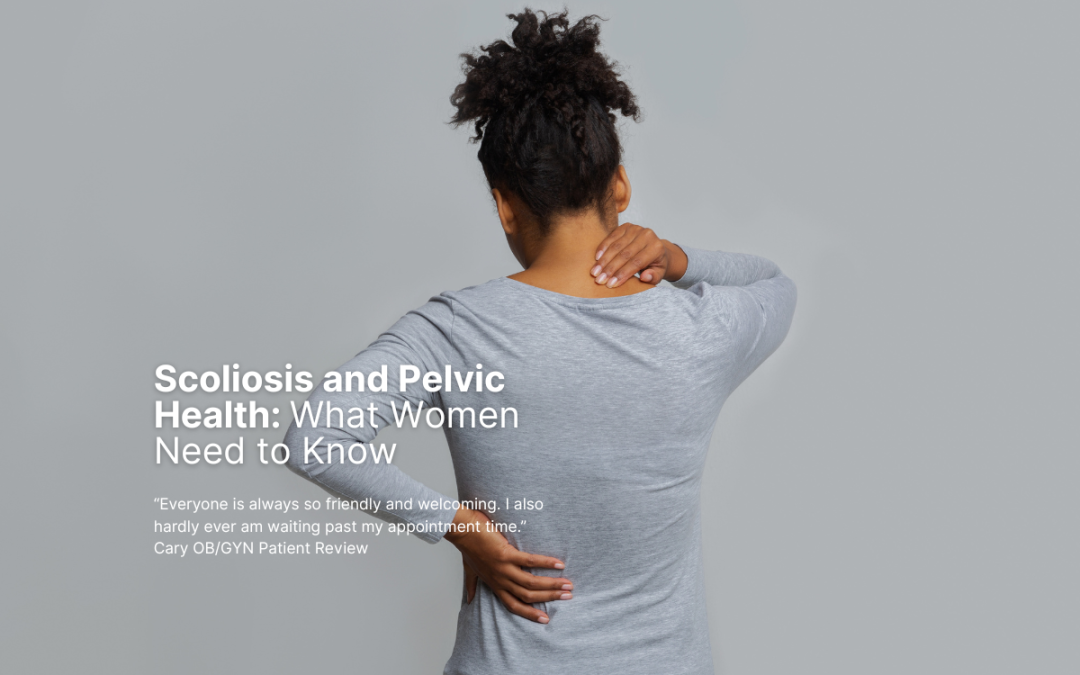
Scoliosis and Pelvic Health: What Women Need to Know

Scoliosis and Pelvic Health: What Women Need to Know

June is Scoliosis Awareness Month, and while most conversations about scoliosis focus on back pain and posture, there's a connection that often goes unspoken: the impact scoliosis can have on pelvic health. For women especially, understanding this relationship can make a meaningful difference in how you approach everything from annual gynecologic exams to pregnancy care to managing chronic discomfort.

At Cary OB/GYN, we see the whole patient: not just one system in isolation. The spine, pelvis, and reproductive structures are deeply interconnected, and when one is affected, the others often feel it too.

The Spine-Pelvis Connection

Scoliosis is an abnormal lateral curvature of the spine that affects an estimated 2–3% of the population. Females are significantly more likely than males to develop curves that progress and require treatment, which means this is very much a women's health issue.

When the spine curves, the pelvis compensates;  it may tilt, rotate, or shift to maintain balance. Over time, this asymmetry places uneven stress on the pelvic floor muscles, ligaments, and surrounding structures. The result can include:

  • Tension or tightness in pelvic floor muscles
  • Hip imbalance and altered gait
  • Increased menstrual cramping or pelvic pain
  • Changes in bladder or bowel habits
  • Discomfort during sexual intercourse

If you've been experiencing any of these symptoms and have a known scoliosis diagnosis, it's worth bringing both pieces of information to your next gynecologic visit. Our pelvic pain specialists are trained to evaluate the full picture.

Everyone is always so friendly and welcoming. I also hardly ever am waiting past my appointment time.
— Cary OB/GYN Patient Review 

Gynecologic Exams and Procedures With Scoliosis

For women with moderate to severe scoliosis, routine pelvic exams and in-office procedures can sometimes feel more uncomfortable due to spinal and pelvic asymmetry. If you've avoided or postponed care because you're unsure how your anatomy will affect things, please don't let that be the barrier.

Let your provider know about your diagnosis before your appointment. We can modify positioning, take extra time, and talk through each step so you feel informed and in control. Small adjustments can make a significant difference in your experience.

Scoliosis and Pregnancy

Women with scoliosis frequently ask whether the condition will affect their ability to conceive, carry a pregnancy, or deliver safely. In most cases, the answer is reassuring: scoliosis itself does not prevent pregnancy. That said, there are a few important considerations.

Pelvic asymmetry can sometimes influence fetal positioning late in pregnancy or the progress of labor. Women who have had spinal fusion surgery with hardware may also have limitations around epidural placement; something worth discussing with your OB and your anesthesiologist early in your pregnancy, not the day of delivery.

Our team is experienced in supporting patients with complex musculoskeletal histories throughout pregnancy and prenatal care. The earlier we know about your full health picture, the better we can plan your care together.

The entirety of the office staff were so sweet and accommodating. I felt supported in my care and every concern was met with practical advice and active listening.
— Cary OB/GYN Patient Review 

The Role of Pelvic Floor Physical Therapy

One of the most effective and often overlooked interventions for women with scoliosis-related pelvic health issues is pelvic floor physical therapy. A pelvic floor PT can assess how your spinal alignment is affecting muscle tension and movement patterns, and develop a targeted plan to address dysfunction.

At Cary OB/GYN, we have Kaitlyn Bachman, DPT, a Doctor of Physical Therapy specializing in pelvic health, on our care team. If scoliosis is contributing to pelvic floor tightness, pain with intercourse, bladder urgency, or other symptoms, Kaitlyn can provide the specialized support you need: right here in our practice.

Practical Tips for Women With Scoliosis

  • Always mention your scoliosis diagnosis and any spinal hardware to your gynecologist before procedures
  • Ask about positioning modifications if exams or procedures have been uncomfortable in the past
  • Discuss your scoliosis with your OB team as early as possible if you are pregnant or planning to become pregnant
  • Ask for a pelvic floor PT referral if you're experiencing any pelvic floor symptoms
  • Don't dismiss pelvic symptoms as unrelated: your body's systems communicate with each other

We See the Whole You

This Scoliosis Awareness Month, we want women living with this condition to know that your spinal health and your pelvic health are both part of the care you deserve. If you've been managing symptoms quietly or haven't found a provider who connects the dots, we'd love to be that team for you.

Reach out to us at (919) 467-5941 or visit caryobgyn.com to schedule an appointment at our Cary or Morrisville location.

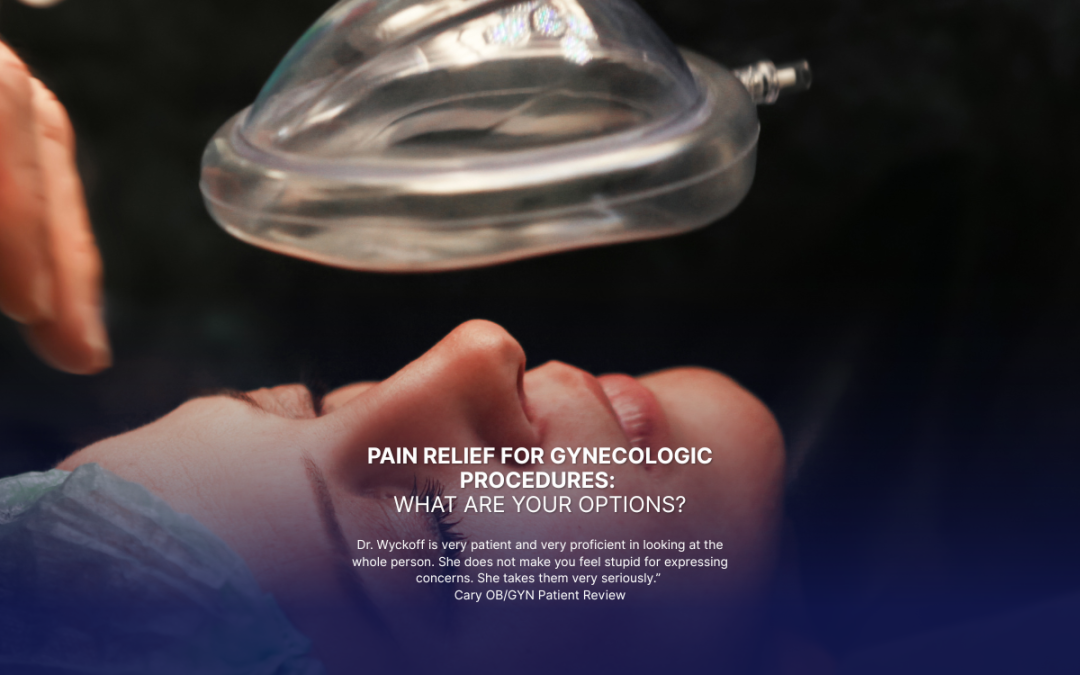
Pain Relief for Gynecologic Procedures: What Are Your Options?

Pain Relief for Gynecologic Procedures: What Are Your Options?

If you've ever felt anxious about an upcoming gynecologic procedure,  wondering how much it will hurt or whether your concerns will be taken seriously: you're not alone. At Cary OB/GYN, one of the most common things we hear from patients is that they weren't sure what to expect, or that they wished they'd known their options for managing discomfort beforehand. That's exactly why we want to talk about it openly.

Whether you're coming in for something routine like an IUD placement or Nexplanon insertion, or preparing for a more involved procedure like a laparoscopy or minimally invasive surgery, knowing your pain relief options ahead of time can make a real difference in how you experience your care.

Start With a Conversation

Before any procedure, the most important step is an honest conversation with your provider. Pain tolerance and anatomy vary widely from patient to patient, and what causes mild discomfort for one woman may feel more significant for another; especially if you have conditions like endometriosis, pelvic pain, or cervical stenosis that can make uterine procedures more uncomfortable.

Tell your provider if you're anxious, if you've had a painful experience before, or if you have any underlying conditions that affect your pelvic health. Our team will adjust the approach accordingly; this is not a one-size-fits-all situation.

Dr. Wyckoff is very patient and very proficient in looking at the whole person. She does not make you feel stupid for expressing concerns. She takes them very seriously.
— Cary OB/GYN Patient Review 

Over-the-Counter Options: Simple and Effective

For many in-office procedures: IUD insertions, endometrial biopsies, LEEP, colposcopies, taking an anti-inflammatory like ibuprofen about an hour before your appointment can meaningfully reduce cramping and discomfort afterward. It won't eliminate all sensation, but it can take the edge off and support a smoother recovery.

Your provider will give you specific instructions based on your health history. Some patients aren't good candidates for NSAIDs due to gastrointestinal or blood-thinning concerns, so always confirm with your care team before taking anything.

Local Anesthesia: Numbing Where It Counts

For procedures involving the cervix or uterus, local anesthesia is often an option. A paracervical block, an injection of numbing medication near the cervix, can significantly reduce pain during procedures like IUD placement or endometrial biopsy. Topical lidocaine gel applied to the cervix beforehand is another tool that helps reduce initial discomfort.

These options aren't always offered automatically, so if you're concerned about pain, ask specifically whether a paracervical block or topical numbing agent would be appropriate for your procedure. Advocating for your own comfort is not only acceptable; it's encouraged.

Dr. Piper was very nice, made me feel comfortable.
— Cary OB/GYN Patient Review 

Sedation and Anesthesia for Surgical Procedures

When a procedure moves to the operating room such as a hysteroscopy, laparoscopy, or hysterectomy, sedation or general anesthesia ensures you are comfortable and free from pain throughout. Our surgical team coordinates all aspects of your anesthetic care and will discuss what to expect in advance.

One advantage of minimally invasive surgical techniques, which our providers specialize in, is that they also tend to mean less post-operative pain and a shorter recovery period compared to traditional open surgery. 

After the Procedure: Recovery Pain Management

Post-procedure discomfort is normal, and your care team will send you home with clear instructions. For most in-office procedures, continued ibuprofen or acetaminophen along with a heating pad applied to the lower abdomen is the primary approach. For surgical procedures, a prescription pain medication may be appropriate for the first day or two.

If your pain isn't well-controlled after returning home, or if you develop fever, heavy bleeding, or unusual discharge, don't wait, call our office. We're here during and after your visit.

You Deserve Comfortable Care

Pain management in gynecologic care has historically been underprioritized, and we know that. At Cary OB/GYN, we are actively working to change that experience for our patients. No procedure should feel like something to simply endure, and no concern about pain should go unaddressed.

If you have an upcoming procedure or are experiencing pelvic pain that needs evaluation, we'd love to partner with you in your care. Call us at (919) 467-5941 or request an appointment online.

Hot Flashes and Sunshine: Managing Menopause Symptoms as Summer Approaches

Hot Flashes and Sunshine: Managing Menopause Symptoms as Summer Approaches

As temperatures begin to rise, many women notice an unwelcome intensification of menopause symptoms. While menopause can bring challenges year-round, the heat and humidity of summer often make symptoms like hot flashes, night sweats, and fatigue feel more intense and harder to manage. At Cary OB/GYN, we understand that seasonal changes can impact your comfort and quality of life—and with the right strategies, you can stay cool, confident, and in control.

Excellent care and resolution of my prescription insurance challenge.”
Cary OB/GYN Patient Review 

Why Summer Can Worsen Menopause Symptoms

One of the most common symptoms of menopause is hot flashes—sudden waves of heat often accompanied by sweating, flushing, and a rapid heartbeat. These episodes are linked to hormonal changes, particularly fluctuations in estrogen that affect the body’s temperature regulation system. (Johns Hopkins Medicine)

During the summer, external heat adds an extra layer of stress on your body’s internal thermostat. Hot weather and humidity can trigger or intensify hot flashes, making them more frequent and more uncomfortable. (Texas Children’s)

For many women, this combination can also worsen related symptoms such as:

  • Night sweats and disrupted sleep
  • Fatigue and irritability
  • Brain fog or difficulty concentrating
  • Increased anxiety or mood swings

Understanding why these symptoms feel worse in warmer months is the first step toward managing them effectively.

Common Menopause Symptoms to Watch For

While every woman’s experience is different, several symptoms tend to be more noticeable as summer approaches:

  • Hot flashes: Experienced by up to 75–80% of women during menopause (Texas Children’s)
  • Night sweats: Hot flashes that occur during sleep, often leading to poor rest
  • Sleep disturbances: Frequently tied to temperature fluctuations
  • Mood changes: Including irritability, anxiety, or low mood
  • Vaginal dryness: Which can worsen discomfort during warmer months

If these symptoms begin interfering with your daily life, it’s important to discuss them with your OB/GYN provider.

Practical Tips to Stay Cool and Comfortable

Managing menopause symptoms in the summer requires a combination of lifestyle adjustments and proactive care. Small changes can make a meaningful difference in how you feel day to day.

  1. Dress for Temperature Control
    Lightweight, breathable fabrics like cotton and linen can help regulate body temperature. Wearing layers allows you to adjust quickly when a hot flash starts. (Johns Hopkins Medicine)
  2. Keep Your Environment Cool
    Air conditioning, fans, and even portable cooling devices can help reduce the intensity of hot flashes. Keeping your bedroom cool at night is especially important for minimizing sleep disruptions. (Healthline)
  3. Stay Hydrated
    Drinking plenty of water helps your body regulate temperature more effectively. Cold water can also provide immediate relief during a hot flash.
  4. Identify and Avoid Triggers
    Common triggers include caffeine, alcohol, spicy foods, and hot beverages. (Wexner Medical Center)
    Keeping a symptom journal can help you identify patterns and better manage your triggers.
  5. Time Your Activities Wisely
    Exercise is important for overall health, but working out during the hottest parts of the day can trigger symptoms. Opt for early morning or evening activity when temperatures are lower. (Wexner Medical Center)
  6. Practice Stress Management
    Stress can worsen menopause symptoms, including hot flashes. Techniques like deep breathing, yoga, and meditation can help regulate your body’s response and improve overall well-being. (Wexner Medical Center)
  7. Prioritize Sleep Hygiene
    Cool bedding, moisture-wicking sleepwear, and a consistent bedtime routine can improve sleep quality—even when night sweats occur.

Medical Treatments and Support Options

While lifestyle strategies are effective for many women, some may need additional support to manage moderate to severe symptoms.

Treatment options may include:

  • Hormone Replacement Therapy (HRT): One of the most effective treatments for reducing hot flashes and night sweats
  • Non-hormonal medications: Such as certain antidepressants or other prescription therapies that help regulate temperature control (Johns Hopkins Medicine)
  • Vaginal estrogen therapy: For managing dryness and discomfort

These treatments are not one-size-fits-all. Your provider will consider your medical history, risk factors, and personal preferences when developing a plan.

My provider was incredibly kind and explained things well. She made my visit as comfortable as possible.”
Cary OB/GYN Patient Review 

The Importance of Personalized Care

Menopause is a natural phase of life, but that doesn’t mean you have to simply “push through” uncomfortable symptoms—especially during the summer months when they may feel more intense.

At Cary OB/GYN, we take a personalized approach to menopause care. That means:

  • Listening to your concerns and symptom patterns
  • Offering tailored treatment options
  • Providing ongoing support as your needs evolve

Whether your symptoms are mild or significantly impacting your daily life, there are solutions available to help you feel like yourself again.

Embracing Summer with Confidence

Summer should be a time to enjoy longer days, sunshine, and outdoor activities—not a season you dread because of menopause symptoms. By understanding how heat impacts your body and taking proactive steps to manage symptoms, you can stay comfortable and in control.

If you’re struggling with hot flashes, night sweats, or other menopause-related concerns, don’t hesitate to reach out to Cary OB/GYN. With the right support, you can navigate this transition with confidence—no matter the season.

Your comfort, health, and well-being are always worth prioritizing.

Strong Bones, Healthy Joints: Understanding Osteoarthritis and the Importance of Bone Density Scans

Strong Bones, Healthy Joints: Understanding Osteoarthritis and the Importance of Bone Density Scans

Arthritis Awareness Month is an important time to shed light on joint health—especially conditions like osteoarthritis that affect millions of women. While osteoarthritis is commonly associated with joint pain and stiffness, there is another critical piece of the puzzle that often goes overlooked: bone health. At Cary OB/GYN, we believe in a comprehensive approach to women’s wellness, including understanding how bone density plays a role in long-term mobility and quality of life.

From the moment I walked in for my first pregnancy visit, Courtney made all the difference. She created an atmosphere that felt warm, welcoming, and genuinely caring. I wasn't just another patient, but truly seen and supported. She took her time, answered every question with patience, and made sure I felt comfortable and confident every step of the way. There's something powerful about being in the care of someone who not only knows what they're doing but also leads with compassion and that's exactly what she does. I left my appointment feeling safe, reassured, and in excellent hands. I'm beyond grateful to have her as part of this journey. If you're looking for someone who combines professionalism with heart, Courtney is truly exceptional.”
Cary OB/GYN Patient Review 

What Is Osteoarthritis?

Osteoarthritis (OA) is the most common form of arthritis and is considered a degenerative joint disease. It occurs when the protective cartilage that cushions the ends of bones gradually wears down over time. This leads to symptoms such as joint pain, stiffness, swelling, and reduced range of motion.

As osteoarthritis progresses, the underlying bone can also change. Research shows that OA involves not just cartilage damage, but also alterations in the bone beneath the joint (called subchondral bone), which may affect how the disease develops and progresses. (Springer)

Osteoarthritis most often affects weight-bearing joints such as the hips, knees, and spine—areas that are also critical for mobility and independence.

Why Women Are at Higher Risk

Women are more likely than men to develop osteoarthritis, particularly after menopause. Hormonal changes—especially the decline in estrogen—play a significant role in both joint and bone health.

Estrogen helps regulate bone remodeling, and when levels drop, bone loss accelerates. This not only increases the risk of osteoporosis but may also influence joint health and the progression of osteoarthritis.

Additionally, women tend to experience a natural decline in bone density as they age, making it even more important to monitor bone health proactively.

Understanding Bone Density and Why It Matters

Bone density, or bone mineral density (BMD), refers to the amount of minerals—primarily calcium and phosphorus—present in your bones. It is a key indicator of bone strength and fracture risk.

Healthy bone density is essential for supporting your joints. Strong bones provide a stable framework for movement, help absorb impact, and reduce the likelihood of fractures—especially in areas already affected by osteoarthritis. (genesis-hospital.com)

Low bone density, on the other hand, can lead to conditions like osteopenia and osteoporosis, which significantly increase the risk of fractures. In fact, weakened bones are more likely to break even with minor falls or stress, particularly in the hips and spine. (Wikipedia)

What Is a Bone Density Scan (DEXA Scan)?

A bone density scan—most commonly performed using dual-energy X-ray absorptiometry (DEXA)—is a quick, non-invasive test that measures the strength of your bones.

During the scan, low-dose X-rays are used to evaluate bone density in key areas such as the hips and spine. The procedure is painless, typically takes less than 30 minutes, and provides valuable insight into your fracture risk and overall bone health. (EP Wellness & Functional Medicine Clinic)

Results are reported as T-scores, which compare your bone density to that of a healthy young adult. Lower scores indicate decreased bone density and a higher risk of fractures.

Bone Density Scans and Osteoarthritis: What’s the Connection?

It’s important to understand that a bone density scan does not diagnose osteoarthritis. OA is a joint condition that affects cartilage and is typically evaluated through physical exams and imaging like X-rays. (Verywell Health)

However, bone density scans still play a crucial role in the overall picture of musculoskeletal health—especially for women with or at risk for osteoarthritis.

Here’s why:

  • Fracture prevention: Osteoarthritis can affect mobility and balance, increasing the risk of falls. Low bone density further raises the likelihood of fractures.
  • Comprehensive care: Many women with OA also have or are at risk for osteoporosis, making bone health monitoring essential.
  • Tracking changes over time: Bone density scans can establish a baseline and monitor how your bones respond to aging, hormonal changes, or treatment. (EP Wellness & Functional Medicine Clinic)

In short, while osteoarthritis and bone density are different conditions, they are closely linked when it comes to maintaining strength, stability, and independence.

Who Should Get a Bone Density Scan?

Bone density screening is especially important for women, particularly as they age. General guidelines recommend:

  • Women age 65 and older
  • Postmenopausal women under 65 with risk factors (such as family history, low body weight, or certain medications)
  • Women with a history of fractures or conditions that affect bone health

Early screening allows providers to detect bone loss before it leads to serious complications. In many cases, osteoporosis is not diagnosed until a fracture occurs—making proactive testing critical. (IPPF -)

Protecting Your Bones and Joints

The good news is that there are many ways to support both bone density and joint health:

  • Stay active: Weight-bearing exercises like walking and strength training help maintain bone density and joint function
  • Prioritize nutrition: Calcium, vitamin D, and protein are essential for strong bones
  • Maintain a healthy weight: Reduces stress on joints while supporting overall health
  • Avoid smoking and excessive alcohol: Both can negatively impact bone health
  • Follow up with your provider: Regular check-ups and screenings ensure early detection and intervention

These lifestyle strategies not only support bone strength but can also help reduce the progression and symptoms of osteoarthritis.

Dr. Piper provided very useful medical information that helped me make a health decision. She's approachable and really listens. I am pleased she's my provider.”
Cary OB/GYN Patient Review 

A Holistic Approach to Women’s Health

At Cary OB/GYN, we understand that women’s health is interconnected. Osteoarthritis, bone density, and hormonal changes all play a role in how you feel and function every day.

During Arthritis Awareness Month, it’s the perfect time to take a proactive approach to your health. Whether you’re experiencing joint pain, approaching menopause, or simply planning for the future, understanding your bone health is a powerful step toward long-term wellness.

Bone density scans are a simple yet essential tool in protecting your health—helping you stay active, independent, and strong for years to come.

If you have questions about osteoarthritis, bone health, or whether a bone density scan is right for you, the team at Cary OB/GYN is here to help. Your health deserves a comprehensive, personalized approach—because strong bones are the foundation of a healthy life.