by OB/GYN | Jul 7, 2021 | OB/GYN News
[vc_row][vc_column][vc_column_text]Topic: The best pacifiers
Which pacifier is best?
Pacifiers are right up there with diapers as baby essentials. Pacifiers are designed to calm fussy babies — as well as parents’ nerves. Babies have a strong sucking reflex, and popping a pacifier in their mouth can satisfy and soothe crying little ones to sleep.
There’s no one-size-fits-all pacifier, and you need to select an age-appropriate model. Plus, there are different designs, nipple shapes, and materials to consider, all of which we’ve covered in this buying guide. We’ve also included our top recommendations, like the MAM Night Glow-in-the-Dark Pacifier, which helps you and your little one easily find it in the crib in the middle of the night.
Considerations when choosing pacifiers
Nipple shape
Classic pacifiers have a round nipple shape, also called “cherry nipples,” which mimics a natural nipple. These are recommended for breastfed babies to avoid nipple confusion, which can result when switching between a breast and a pacifier/bottle.
Orthodontic nipples are shaped to keep your baby’s jaw in alignment to ensure proper bone development. They can either have an angled nipple or a flattened bottom with a round top; both nipple shapes only have one right side up.
Nipple material
Silicone is the most commonly used nipple material. It’s clear, firm, and easy to clean. Latex is used for a softer, more flexible nipple. Latex nipples are less durable and can create a choking hazard if a baby chews through them. Also, some babies are allergic to latex.
Topic Discussed: The best pacifiers
Read More[/vc_column_text][/vc_column][/vc_row][vc_row css=”.vc_custom_1618658856512{margin-top: 75px !important;}”][vc_column][vc_column_text]
About | OB Videos | Insurances Accepted | Blog | Providers | Michael Anthony, MD, FACOG | Noemi Maydew, MD, FACOG | Anne Bond Bonpain, MD, FACOG | Elita Wyckoff, MD, FACOG | Gilberto Rodrigo, MD, FACOG | Jennifer Fraley, MD, FACOG | Heather Flowers | Courtney Braswell | Services | Patient Care | Advanced Care Team | Testimonials | Contact Us | Patient Portal
[/vc_column_text][/vc_column][/vc_row]
by OB/GYN | Jul 6, 2021 | OB/GYN News
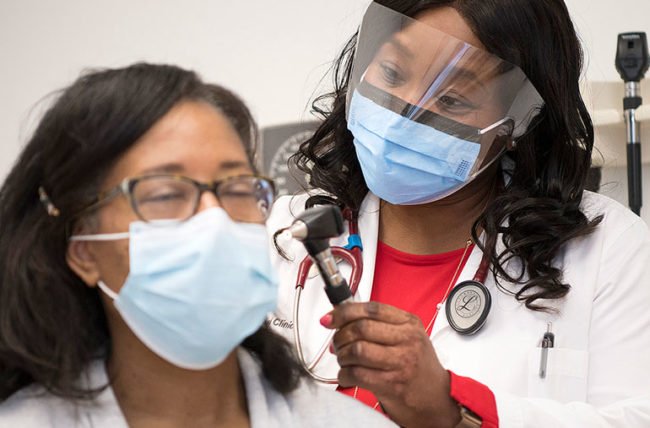
[vc_row][vc_column][vc_column_text]Topic: Women’s Health: Essential Steps for Taking Good Care of Yourself
These steps can boost your well-being and protect your health (and energy!) for years to come.
If you’ve ever put your own needs on the back burner because you have so many other demands on your time — job, partner, kids, parents or even the dog! — you’re not alone. Women juggle a lot and often place themselves at the bottom of the to-do list.
But to get the most out of life (and to help others), you have to care for yourself, too. Ob/Gyn Edward Chien, MD, MBA, shares six health and wellness tenets to follow for big personal payoffs, now and in the future.
1. Exercise regularly
Staying in shape is not just about a healthy weight. Exercising improves your health, helps you sleep better and boosts your mood.
“It also makes everyday activities easier, from lifting a toddler to tying your shoes to running down an airport terminal to catch a flight,” Dr. Chien says.
You don’t have to toss huge tires or run a marathon (unless that’s what you love to do!) to be fit. Aim for exercising 150 minutes a week (think: 30 minutes a day for five days). Do a mix of heart-thumping cardio and muscle-building moves.
2. Create healthy eating habits
Trendy diets come and go, some healthier than others. But what makes the most sense is to pick a healthy eating pattern that you can stick to long-term.
Consider the Mediterranean diet or the DASH diet, both heart-healthy ways of eating. Or talk to your doctor about the best diet for your particular health goals.
3. Get good sleep
You may never be a morning person, but a good night’s sleep can help you feel more chipper and think clearly. It’s also essential for good health. A solid sleep lowers your risk of getting sick or developing serious illnesses like diabetes and heart disease.
Adults need seven to nine hours of sleep a night. But many factors can get in the way of falling or staying asleep, like late-night worrying or even staring at a screen (hello, phone scrolling) right before bedtime. Create a sleep routine to help you get back on track.
4. Manage stress
“Stress is a normal part of life, so figuring out how to manage it is crucial for releasing tension that builds up throughout the day,” Dr. Chien says. Learn how to combat burnout and frustrations in a way that works for you.
Topic Discussed: Women’s Health: Essential Steps for Taking Good Care of Yourself
Read More[/vc_column_text][/vc_column][/vc_row][vc_row css=”.vc_custom_1618658856512{margin-top: 75px !important;}”][vc_column][vc_column_text]
About | OB Videos | Insurances Accepted | Blog | Providers | Michael Anthony, MD, FACOG | Noemi Maydew, MD, FACOG | Anne Bond Bonpain, MD, FACOG | Elita Wyckoff, MD, FACOG | Gilberto Rodrigo, MD, FACOG | Jennifer Fraley, MD, FACOG | Heather Flowers | Courtney Braswell | Services | Patient Care | Advanced Care Team | Testimonials | Contact Us | Patient Portal
[/vc_column_text][/vc_column][/vc_row]

by OB/GYN | Jul 1, 2021 | OB/GYN News
[vc_row][vc_column][vc_column_text]Topic: Why doesn’t the US have mandated paid maternity leave?
The US is the only rich nation offering no national paid parental-leave programme. Why is that – and could it change?
The US might be one of the world’s wealthiest nations, but on one key metric it comes in last: it’s the only rich country offering no national paid parental-leave programme. Today, only 21% of US workers have access to paid family leave through their employers, even though, according to the Pew Research Center in 2015, both parents work full-time in almost half all two-parent families.
This lack of provision sits in sharp contrast to European nations, where subsidised parental leave is standard. Research has shown paid parental leave offers inarguable benefits for parents, children and the societies of countries who provide it. There’s also broad backing for it in the US; according to an academic study published in April, around 82% of Americans support access to paid parental leave. That figure has remained roughly the same for years and includes support from across the political spectrum.
The reasons the US remains an outlier on paid parental leave are complex, combining post-World War Two needs with a complicated national cultural identity of individualism and self-determination. Now, however, there’s a significant push for change. In April, US President Joe Biden proposed a $225bn (£163bn) package of paid family and medical leave benefits that would allow workers to take up to 12 weeks paid leave to care for a new-born or family member.
In a nation that feels more polarised than ever, data show paid parental leave is a rare issue that voters of all kinds can get behind. So, why has nothing been enacted at the national level so far – and with Biden’s plan on its way to Congress, might it actually become reality this time?
Topic Discussed: Why doesn’t the US have mandated paid maternity leave?
Read More[/vc_column_text][/vc_column][/vc_row][vc_row css=”.vc_custom_1618658856512{margin-top: 75px !important;}”][vc_column][vc_column_text]
About | OB Videos | Insurances Accepted | Blog | Providers | Michael Anthony, MD, FACOG | Noemi Maydew, MD, FACOG | Anne Bond Bonpain, MD, FACOG | Elita Wyckoff, MD, FACOG | Gilberto Rodrigo, MD, FACOG | Jennifer Fraley, MD, FACOG | Heather Flowers | Courtney Braswell | Services | Patient Care | Advanced Care Team | Testimonials | Contact Us | Patient Portal
[/vc_column_text][/vc_column][/vc_row]

by OB/GYN | Jun 30, 2021 | OB/GYN News
[vc_row][vc_column][vc_column_text]Topic: Advice from a dietician: Good nutrition is important during pregnancy
Good nutrition during pregnancy is vital not only for a good healthy baby but also to ensure the good health of the mom.
The old saying of ‘eating for two’ is not actually accurate as your calorie requirement only increases by a small amount (about 300kcal = half a cup of cereal, with milk and a banana).
One needs to be mindful of overeating as this can be harmful to both mom and baby.
There seems to be a growing rate of gestational diabetes, which is diabetes that presents during pregnancy and this thought to be affected by unhealthy eating prior to and during pregnancy.
A study conducted during 2019 in KwaZulu-Natal showed that pregnant women consumed less than 50% of all the required nutrients, and also consumed nearly half of the recommended amount of Fruits and Vegetables on a daily basis.
An alarming statistic was that 1 in 2 pregnant women was classified as obese (BMI > 30), which places the pregnancy at an increased risk for complications.
What you eat during pregnancy is crucial for a healthy baby, and research shows healthy eating during pregnancy can even result in the baby having fewer chronic conditions later on in adulthood.
Nutritional basics of pregnancy
Consume a variety of foods so as to ensure you consume a variety of vitamins and minerals.
Have a balanced plate, simplistically half your plate should be vegetables, with ¼ for good quality carbohydrates (bread, rice, potatoe, pasta) and ¼ for protein such chicken, meat, fish, beans, peas, lentils).
Ensure you adhere to good hygiene/food safety practices when cooking, as well as ensuring foods such as meat, chicken, and fish are cooked fully to avoid food poisoning.
Be mindful of your beverages
Water would be the best option.
Coffee can be consumed around 1 cup (300ml) per day, whilst green and black teas may need to be limited as they can affect the absorption of certain vitamins such as folic acid.
The better option would be Rooibos.
Topic Discussed: Advice from a dietician: Good nutrition is important during pregnancy
Read More[/vc_column_text][/vc_column][/vc_row][vc_row css=”.vc_custom_1618658856512{margin-top: 75px !important;}”][vc_column][vc_column_text]
About | OB Videos | Insurances Accepted | Blog | Providers | Michael Anthony, MD, FACOG | Noemi Maydew, MD, FACOG | Anne Bond Bonpain, MD, FACOG | Elita Wyckoff, MD, FACOG | Gilberto Rodrigo, MD, FACOG | Jennifer Fraley, MD, FACOG | Heather Flowers | Courtney Braswell | Services | Patient Care | Advanced Care Team | Testimonials | Contact Us | Patient Portal
[/vc_column_text][/vc_column][/vc_row]
by OB/GYN | Jun 28, 2021 | OB/GYN News
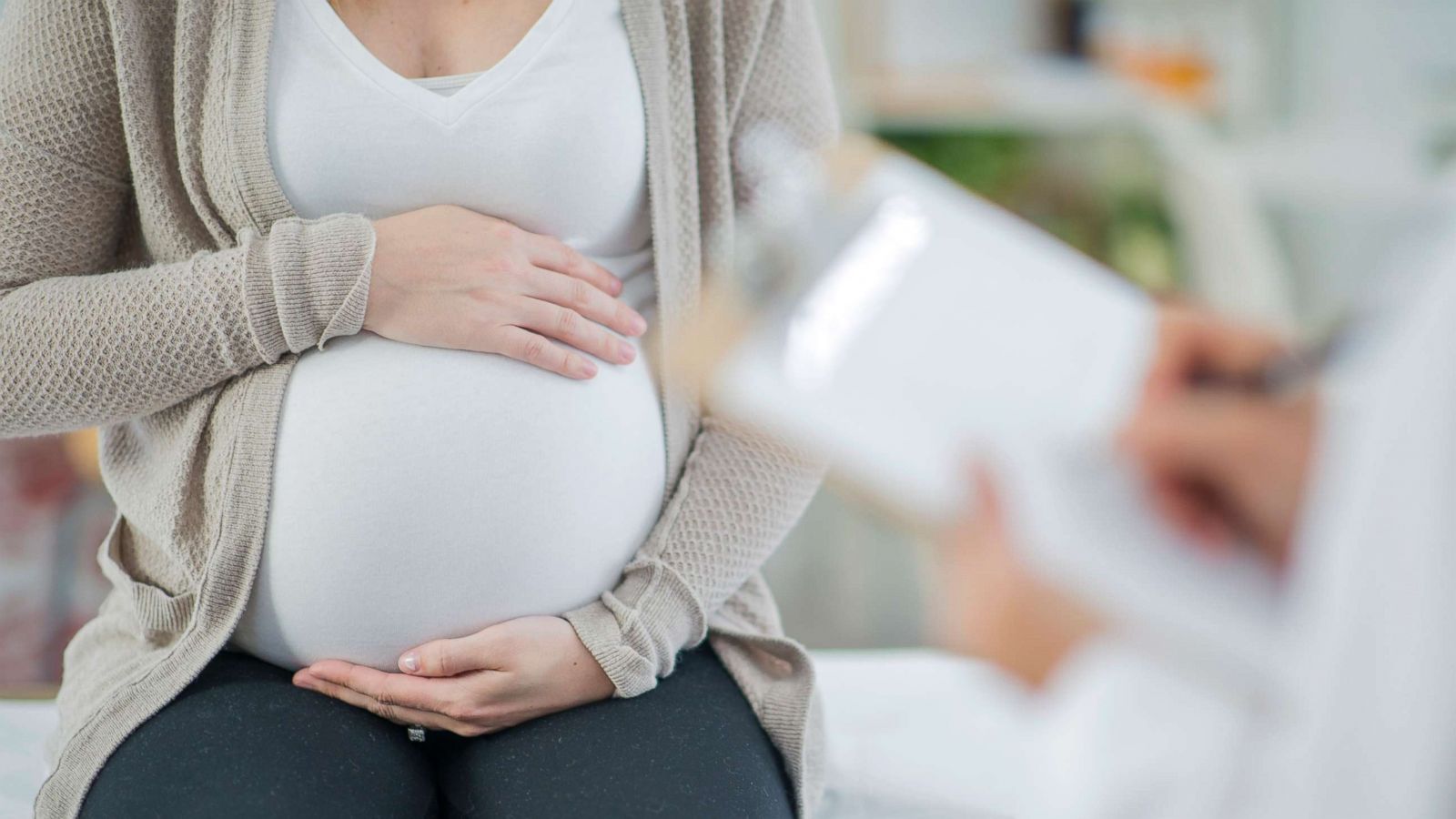
[vc_row][vc_column][vc_column_text]Topic: New recommendation issued on weight gain and pregnancy: What to know
A new government recommendation on healthy weight gain during pregnancy calls for more counseling from health care providers, and emphasizes working routinely on this with all women throughout their pregnancy.
The recommendation from the U.S. Preventive Services Task Force (USPSTF), an independent and volunteer panel of national experts, goes further than past recommendations in calling on clinicians to offer pregnant women “effective counseling programs to help them maintain a healthy amount of weight and prevent excess weight gain.”
The recommendation, published last week in the Journal of the American Medical Association (JAMA), is a grade B recommendation, meaning the task force has high quality evidence to back up the recommendation.
The grade may also make the counseling programs more accessible to more pregnant women as most private insurance plans are typically required to cover preventive services that get an A or B grade from USPSTF.
“What’s new about these recommendations is they are actually putting the onus of responsibility on the health care professional to counsel women who are pregnant or, ideally, about to be pregnant about the risks associated with excessive weight gain,” said Dr. Jennifer Ashton, ABC News chief medical correspondent and a board-certified OBGYN and nutritionist.
“Unfortunately most health care providers don’t have the training to be able to really help counsel women,” she said. “So it’s really kind of a call to action for all of us to learn as much as we can about nutrition and dietary counseling so that we can help these women during this really important time in their lives.”
Topic Discussed: New recommendation issued on weight gain and pregnancy: What to know
Read More[/vc_column_text][/vc_column][/vc_row][vc_row css=”.vc_custom_1618658856512{margin-top: 75px !important;}”][vc_column][vc_column_text]
About | OB Videos | Insurances Accepted | Blog | Providers | Michael Anthony, MD, FACOG | Noemi Maydew, MD, FACOG | Anne Bond Bonpain, MD, FACOG | Elita Wyckoff, MD, FACOG | Gilberto Rodrigo, MD, FACOG | Jennifer Fraley, MD, FACOG | Heather Flowers | Courtney Braswell | Services | Patient Care | Advanced Care Team | Testimonials | Contact Us | Patient Portal
[/vc_column_text][/vc_column][/vc_row]

by OB/GYN | Jun 24, 2021 | OB/GYN News
[vc_row][vc_column][vc_column_text]Topic: Study suggests online coaching can help pregnant women make improved choices
The findings, published in the journal Reproductive Biomedicine Online, show that digital healthcare could be a cost-effective way to deliver tailored advice to women who experience difficulties in pregnancy.
A recent study has suggested that in the period before and shortly after women become pregnant, they can improve their lifestyle behaviours by using personalised coaching through a smartphone.
The findings, published in the journal Reproductive Biomedicine Online, show that digital healthcare could be a cost-effective way to deliver tailored advice to women who experience difficulties in pregnancy, which the NHS does not have the resources to provide. The biggest reduction in behaviours that pose risks to pregnancy were seen in overweight women.
In this study, led by the University of Southampton, 262 women who were planning pregnancies and had either experienced difficulties in conceiving or recurrent miscarriages signed up to the online lifestyle coaching programme Smarter Pregnancy.
All participants completed questionnaires through the app at the beginning and at six-week intervals over the four-month trial. The questionnaires covered subjects such as their diet, folic acid intake, smoking and consumption of alcohol.
After each questionnaire, half of the participants (the intervention group) were sent automated advice and recommendations through the coaching platform, based on their responses. The other half (the control group) were referred to standard guidance for periconceptional care on the NHS website.
Analysis of the responses to the questionnaires showed that the group receiving advice through the Smarter Pregnancy platform were more likely to make positive changes to their lifestyle over the course of the trial than participants in the control group. The most significant change was in the reduction in smoking and drinking alcohol for those with a Body Mass Index above 25 (overweight).
The findings also showed that the odds of becoming pregnant after 24 weeks were increased for the participants using the app, although the study team notes that more research would be needed to validate this connection as this study was targeted on improving lifestyle choices rather than assessing pregnancy rates.
Topic Discussed: Study suggests online coaching can help pregnant women make improved choices
Read More[/vc_column_text][/vc_column][/vc_row][vc_row css=”.vc_custom_1618658856512{margin-top: 75px !important;}”][vc_column][vc_column_text]
About | OB Videos | Insurances Accepted | Blog | Providers | Michael Anthony, MD, FACOG | Noemi Maydew, MD, FACOG | Anne Bond Bonpain, MD, FACOG | Elita Wyckoff, MD, FACOG | Gilberto Rodrigo, MD, FACOG | Jennifer Fraley, MD, FACOG | Heather Flowers | Courtney Braswell | Services | Patient Care | Advanced Care Team | Testimonials | Contact Us | Patient Portal
[/vc_column_text][/vc_column][/vc_row]