by OB/GYN | Jun 23, 2021 | OB/GYN News
[vc_row][vc_column][vc_column_text]Topic: A Vet Explained Why Pregnant People Really Shouldn’t Be Cleaning Cats’ Litter Boxes
When you’re pregnant many things — like undercooked meat and fish and caffeine — are off-limits. Pet parents should also add cleaning the family cat’s litter box to the list of no-nos, if possible. While this daily task is a chore most people would gladly give up without question, there’s some important science to back it up, according to Dr. Stephanie Austin, a veterinarian and medical director at Bond Vet.
Why Are Cat Feces So Dangerous For Pregnant People?
When people think of diseases that can be spread from cats to humans, they often think of toxoplasmosis,” explained Dr. Austin. “Toxoplasmosis is a disease that is the result of infection with the ‘toxoplasma gondii’ parasite. Humans can also get this on their own from eating infected meat, as well as various other sources including the handling of infected soil.”
She emphasized that consistently using good hand hygiene after doing the litter boxes is crucial. “Cats typically become infected from eating contaminated meat or the infected feces of another cat. If your cat is infected, it’s important to practice very good hygienic standards and hand-washing when handling their feces,” she explained. “It is also generally a very good idea to wash your hands thoroughly after handing their stool. If you were to somehow ingest infected feces after cleaning the litter box, you can become infected as well. This can pose an even greater risk for pregnant women, as the risks that come with transmission are heightened while pregnant.”
What Should Pregnant People Do If They Have to Clean the Litter Box?
Dr. Austin suggested taking a look at the Centers for Disease Control and Prevention’s guidelines, which recommend feeding cats only canned or dried commercial food and cleaning your kitty’s litter box every day. She also provided some insight as far as precautions go if you don’t have a partner to take over the task entirely.
“If possible, avoid changing cat litter. If no one else can perform the task, wear disposable gloves and wash your hands with soap and water afterward,” she said. “It’s also helpful to make sure you change the litter daily, as the Toxoplasma parasite does not become infectious until one to five days after it is shed in a cat’s feces. It’s also recommended to avoid raw or undercooked meats as a form of cat food.”
Topic Discussed: A Vet Explained Why Pregnant People Really Shouldn’t Be Cleaning Cats’ Litter Boxes
Read More[/vc_column_text][/vc_column][/vc_row][vc_row css=”.vc_custom_1618658856512{margin-top: 75px !important;}”][vc_column][vc_column_text]
About | OB Videos | Insurances Accepted | Blog | Providers | Michael Anthony, MD, FACOG | Noemi Maydew, MD, FACOG | Anne Bond Bonpain, MD, FACOG | Elita Wyckoff, MD, FACOG | Gilberto Rodrigo, MD, FACOG | Jennifer Fraley, MD, FACOG | Heather Flowers | Courtney Braswell | Services | Patient Care | Advanced Care Team | Testimonials | Contact Us | Patient Portal
[/vc_column_text][/vc_column][/vc_row]

by OB/GYN | Jun 22, 2021 | OB/GYN News
[vc_row][vc_column][vc_column_text]Topic: Doctor urges people to get mammograms, cancer screenings delayed amid COVID
Cathlamet resident Sue Johnson drove 30 minutes to PeaceHealth St. John Medical Center on Monday to get a mammogram, but said the drive was “well worth it.”
Johnson, 76, said she’s regularly gotten a mammogram for the last three decades.
“I’m a firm believer in having a mammogram because you can’t save yourself if you don’t have a mammogram,” she said.
Many patients have been delaying annual screenings, including mammograms, since the start of the COVID-19 pandemic, said St. John surgeon and Breast Center physician leader Christine Katterhagen. It’s safe to go to the doctor and patients, no matter where they get care, should get their mammogram or other annual screening.
“Don’t put your health on the back burner,” Katterhagen said.
PeaceHealth recommends patients with average risk of breast cancer begin annual mammograms at 40 years old. A mammogram is an X-ray of the breast that can detect changes that may be early signs of cancer, but are too small to be felt.
In March 2020, the hospital paused regular screenings, including mammograms, but continued seeing patients who found a lump or had a problem, Katterhagen said. St. John restarted non-essential procedures May 21, 2020, but many patients haven’t returned, she said.
More than one-third of adults in the United States failed to receive recommended cancer screenings during the pandemic, according to the American Cancer Society and National Comprehensive Cancer Network.
According to a recent study by the National Cancer Institute, pandemic-relayed delays in breast and colorectal cancer screenings and treatment will cause about 10,000 excess deaths in the U.S. over the next 10 years.
Topic Discussed: Doctor urges people to get mammograms, cancer screenings delayed amid COVID
Read More[/vc_column_text][/vc_column][/vc_row][vc_row css=”.vc_custom_1618658856512{margin-top: 75px !important;}”][vc_column][vc_column_text]
About | OB Videos | Insurances Accepted | Blog | Providers | Michael Anthony, MD, FACOG | Noemi Maydew, MD, FACOG | Anne Bond Bonpain, MD, FACOG | Elita Wyckoff, MD, FACOG | Gilberto Rodrigo, MD, FACOG | Jennifer Fraley, MD, FACOG | Heather Flowers | Courtney Braswell | Services | Patient Care | Advanced Care Team | Testimonials | Contact Us | Patient Portal
[/vc_column_text][/vc_column][/vc_row]

by OB/GYN | Jun 21, 2021 | OB/GYN News
[vc_row][vc_column][vc_column_text]Topic: 6 Scenarios When You Shouldn’t Drive While Pregnant
When you’re pregnant, you pump the brakes on a lot of fun stuff to keep you and your baby healthy: riding roller coasters, taking dips in hot tubs, going on pub crawls… you get the gist.
With everything you’re banned from doing during pregnancy, we wouldn’t blame you for wondering if you’re still allowed to do normal human activities like shower, take walks on the beach, and get behind the wheel of a vehicle.
For the most part, the answer to all these questions is a resounding yes! You can still live your life while pregnant.
That said, there are a few valid concerns about the safety of driving while pregnant.
Here’s how to know whether you should still squeeze your baby bump into the driver’s seat of your car or hand your keys over to your partner, mom, BFF, or even your friendly neighborhood Uber driver instead.
Risks of driving while pregnant
Nine and a half times out of 10, driving during pregnancy is totally fine. We’re pretty sure the world would grind to a complete halt, actually, if pregnancy were a disqualifier for getting behind the wheel.
But we need to be real with you: There is a weirdly higher risk associated with driving while pregnant versus not pregnant. A 2014 study suggested that women were 42 percent more likely to become involved in serious car accidents during the second trimester than those who weren’t pregnant.
Yup, only in the second trimester. In the first and third trimesters, the risks were the same as they were outside of pregnancy.
Topic Discussed: 6 Scenarios When You Shouldn’t Drive While Pregnant
Read More[/vc_column_text][/vc_column][/vc_row][vc_row css=”.vc_custom_1618658856512{margin-top: 75px !important;}”][vc_column][vc_column_text]
About | OB Videos | Insurances Accepted | Blog | Providers | Michael Anthony, MD, FACOG | Noemi Maydew, MD, FACOG | Anne Bond Bonpain, MD, FACOG | Elita Wyckoff, MD, FACOG | Gilberto Rodrigo, MD, FACOG | Jennifer Fraley, MD, FACOG | Heather Flowers | Courtney Braswell | Services | Patient Care | Advanced Care Team | Testimonials | Contact Us | Patient Portal
[/vc_column_text][/vc_column][/vc_row]
by OB/GYN | Jun 18, 2021 | OB/GYN News
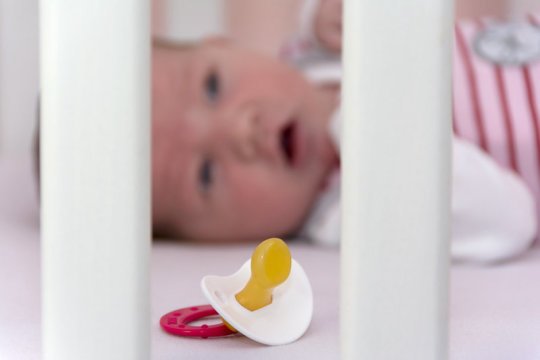
[vc_row][vc_column][vc_column_text]Topic: Bacteria are connected to how babies experience fear
New research from MSU shows that an infant’s gut microbiome could contain clues to help monitor and support healthy neurological development
Why do some babies react to perceived danger more than others? According to new research from Michigan State University and the University of North Carolina, Chapel Hill, part of the answer may be found in a surprising place: an infant’s digestive system.
The human digestive system is home to a vast community of microorganisms known as the gut microbiome. The MSU-UNC research team discovered that the gut microbiome was different in infants with strong fear responses and infants with milder reactions.
These fear responses — how someone reacts to a scary situation — in early life can be indicators of future mental health. And there is growing evidence tying neurological well-being to the microbiome in the gut.
The new findings suggest that the gut microbiome could one day provide researchers and physicians with a new tool to monitor and support healthy neurological development.
“This early developmental period is a time of tremendous opportunity for promoting healthy brain development,” said MSU’s Rebecca Knickmeyer, leader of the new study published June 2 in the journal Nature Communications. “The microbiome is an exciting new target that can be potentially used for that.”
Studies of this connection and its role in fear response in animals led Knickmeyer, an associate professor in the College of Human Medicine’s Department of Pediatrics and Human Development, and her team to look for something similar in humans. And studying how humans, especially young children, handle fear is important because it can help forecast mental health in some cases.
“Fear reactions are a normal part of child development. Children should be aware of threats in their environment and be ready to respond to them” said Knickmeyer, who also works in MSU’s Institute for Quantitative Health Science and Engineering, or IQ. “But if they can’t dampen that response when they’re safe, they may be at heightened risk to develop anxiety and depression later on in life.”
Topic Discussed: Bacteria are connected to how babies experience fear
Read More[/vc_column_text][/vc_column][/vc_row][vc_row css=”.vc_custom_1618658856512{margin-top: 75px !important;}”][vc_column][vc_column_text]
About | OB Videos | Insurances Accepted | Blog | Providers | Michael Anthony, MD, FACOG | Noemi Maydew, MD, FACOG | Anne Bond Bonpain, MD, FACOG | Elita Wyckoff, MD, FACOG | Gilberto Rodrigo, MD, FACOG | Jennifer Fraley, MD, FACOG | Heather Flowers | Courtney Braswell | Services | Patient Care | Advanced Care Team | Testimonials | Contact Us | Patient Portal
[/vc_column_text][/vc_column][/vc_row]

by OB/GYN | Jun 16, 2021 | OB/GYN News
[vc_row][vc_column][vc_column_text]Topic: What to Know About Bronchitis During Pregnancy
While people who are pregnant are not truly immunosuppressed, the delicate balance of the immune system during pregnancy can be upset by viral infections, including bronchitis.
Bronchitis Symptoms
Bronchitis often develops along with a viral infection. Symptoms may include:
- A cough that may be dry or productive of sputum. When mucus is present, it may be clear, yellow, or green.
- Sore throat
- Sinus congestion
- A low-grade fever (usually less than 100.5 degrees F) and chills
- Body aches
Less commonly (and sometimes a sign of a complication), you may experience:
- Chest tightness
- Wheezing
- Shortness of breath
- Coughing up blood (even a very small amount is a medical emergency)
Prevention Tips
An ounce of prevention is definitely worth a pound of cure when it comes to contracting bronchitis during pregnancy. Although you may not be able to prevent bronchitis entirely, there are a number of ways that you can reduce your risk. These include:
- Avoiding friends or family members who are ill (yes, we understand this can be challenging if you have small children)
- Avoiding crowded events, especially during cold and flu season
- Frequent handwashing, or using hand sanitizer when needed
- Avoiding cigarette smoke
- Wearing a mask if you will be exposed to dust/fumes (such as wood dust) or if you may be around people who have cold and flu symptoms
- Minimizing outdoor activity if the air pollution level in your area is high (traffic-related air pollution is an important risk factor for bronchitis during cold season)
Topic Discussed: What to Know About Bronchitis During Pregnancy
Read More[/vc_column_text][/vc_column][/vc_row][vc_row css=”.vc_custom_1618658856512{margin-top: 75px !important;}”][vc_column][vc_column_text]
About | OB Videos | Insurances Accepted | Blog | Providers | Michael Anthony, MD, FACOG | Noemi Maydew, MD, FACOG | Anne Bond Bonpain, MD, FACOG | Elita Wyckoff, MD, FACOG | Gilberto Rodrigo, MD, FACOG | Jennifer Fraley, MD, FACOG | Heather Flowers | Courtney Braswell | Services | Patient Care | Advanced Care Team | Testimonials | Contact Us | Patient Portal
[/vc_column_text][/vc_column][/vc_row]

by OB/GYN | Jun 15, 2021 | OB/GYN News
[vc_row][vc_column][vc_column_text]Topic: Air pollution exposure during pregnancy may boost babies’ obesity risk
Women exposed to higher levels of air pollution during pregnancy have babies who grow unusually fast in the first months after birth, putting on excess fat that puts them at risk of obesity and related diseases later in life, new CU Boulder research shows.
The study of Hispanic mother-child pairs, published this week in the journal Environmental Health, is the latest to suggest that poor air quality may contribute at least in part to the nation’s obesity epidemic, particularly among minority populations who tend to live in places with more exposure to toxic pollutants.
About one in four Hispanic youth in the United States are obese, compared to about 14% of white youth and 11% of Asian youth.
“Higher rates of obesity among certain groups in our society are not simply a byproduct of personal choices like exercise and calories in, calories out. It’s more complicated than that,” said senior author Tanya Alderete, an assistant professor in the Department of Integrative Physiology. “This study and others suggest it can also relate to how much of an environmental burden one carries.”
Previous research has shown pregnant women who smoke or are chronically exposed to air pollution tend to have smaller birthweight babies. In the first year of life, those babies tend to race to catch up, gaining weight unusually fast. Accelerated weight gain in early life has been linked to diabetes, heart disease and weight problems in childhood and adolescence.
“This period, either during pregnancy or shortly after birth, is a critical window of development and adverse exposures can program the infant to have a host of problems later in life,” said lead author William Patterson, a doctoral student.
To more closely examine how specific pollutants impact a baby’s growth trajectory, the researchers followed 123 mother-infant pairs from the Mother’s Milk Study, an ongoing trial in the Los Angeles region. About one-third were of normal weight pre-pregnancy, one-third overweight and one-third obese.
Topic Discussed: Air pollution exposure during pregnancy may boost babies’ obesity risk
Read More[/vc_column_text][/vc_column][/vc_row][vc_row css=”.vc_custom_1618658856512{margin-top: 75px !important;}”][vc_column][vc_column_text]
About | OB Videos | Insurances Accepted | Blog | Providers | Michael Anthony, MD, FACOG | Noemi Maydew, MD, FACOG | Anne Bond Bonpain, MD, FACOG | Elita Wyckoff, MD, FACOG | Gilberto Rodrigo, MD, FACOG | Jennifer Fraley, MD, FACOG | Heather Flowers | Courtney Braswell | Services | Patient Care | Advanced Care Team | Testimonials | Contact Us | Patient Portal
[/vc_column_text][/vc_column][/vc_row]