by OB/GYN | May 10, 2021 | OB/GYN News
[vc_row][vc_column][vc_column_text]Topic: Higher BMI in childhood may help protect women against breast cancer in later life, both before and after the menopause
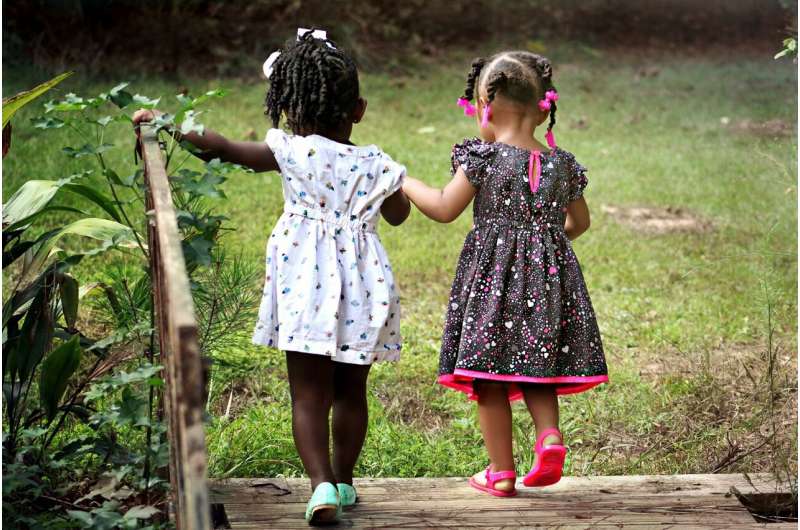
A study of more than 173,000 women in Denmark, presented at the European Congress on Obesity (ECO) held online this year, suggests that girls with a higher body mass index (BMI) during childhood are less likely than their peers with a lower BMI to develop breast cancer as adults, both before and after the menopause.
The findings contrast with those for adult BMI, which indicate that women who gain weight after menopause have an increased risk of postmenopausal breast cancer. While the authors are unsure why children with a higher BMI appear to be protected against breast cancer, they caution that having overweight or obesity can have many adverse impacts on general health.
“Our results suggest that having a higher BMI during childhood may lower your risk of breast cancer both before and after the menopause. But we must be really clear that weight gain should not be considered as a way of preventing breast cancer”, says lead author Dr. Dorthe Pedersen from Bispebjerg and Frederiksberg Hospital, Copenhagen, Denmark. “There are so many health risks linked with having overweight or obesity, it is vital for women to maintain a healthy weight throughout their lives.”
Breast cancer is the most common cancer in women, with around 55,000 women diagnosed every year in the UK alone, and almost 1 in 5 cases developing in those under the age of 50. Previous research has established a link between increased BMI in adult women and a lower risk of breast cancer before the menopause, but an increased risk after menopause. Although a high childhood BMI may be protective against the risk of overall breast cancer, past studies had not been large enough to investigate the link by type menopausal status.
To provide more evidence, Danish researchers analysed data for 173,373 women from the Copenhagen School Health Records Register born between 1930 and 1996 (aged 25 to 91 years now) who had information on height and weight measured at annual school health examinations from ages 7 to 13 years. Cases of breast cancer were identified by linking with the Danish Cancer Registry.
During an average of 33 years of follow-up, 4,051 women were diagnosed with breast cancer before the menopause (at 55 years of age or younger), and 5,942 women after the menopause (after age 55 years).
Topic Discussed: Higher BMI in childhood may help protect women against breast cancer in later life, both before and after the menopause
Read More[/vc_column_text][/vc_column][/vc_row][vc_row css=”.vc_custom_1618658856512{margin-top: 75px !important;}”][vc_column][vc_column_text]
About | OB Videos | Insurances Accepted | Blog | Providers | Michael Anthony, MD, FACOG | Noemi Maydew, MD, FACOG | Anne Bond Bonpain, MD, FACOG | Elita Wyckoff, MD, FACOG | Gilberto Rodrigo, MD, FACOG | Jennifer Fraley, MD, FACOG | Heather Flowers | Courtney Braswell | Services | Patient Care | Advanced Care Team | Testimonials | Contact Us | Patient Portal
[/vc_column_text][/vc_column][/vc_row]
by OB/GYN | May 9, 2021 | OB/GYN News
[vc_row][vc_column][vc_column_text]Topic: Pandemic Brought Preterm Births Down, but not all Women Benefitted Equally
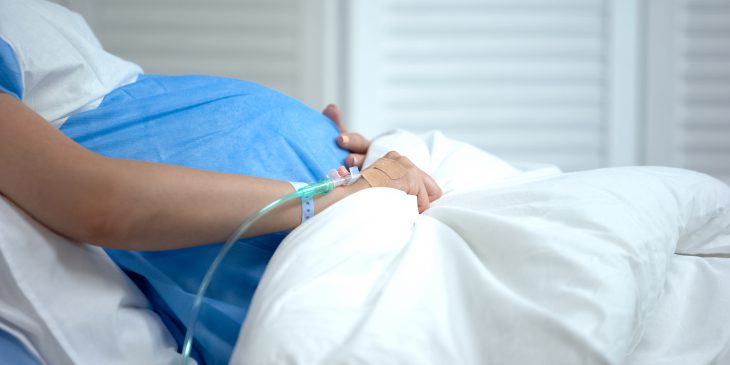
Last spring, when the whole world went into hibernation to try to curb the spread of a new virus ravaging the planet, few people were able to look on the bright side. But a few months later, neonatologists in different parts of the globe noticed something unusual: Their hospitals’ neonatal intensive care units, or NICUs – where babies born early or babies who need medical care are nurtured to health – were much less busy than normal.
The same appeared to be true at UPMC Magee-Womens Hospital, noted Dr. Lara Lemon, research assistant professor at the Department of Obstetrics, Gynecology and Reproductive Sciences at the University of Pittsburgh.
To understand what factors contributed to the drop in preterm births that Lemon observed, she enlisted the help of a perinatal physician and researcher, Dr. Hyagriv Simhan, executive vice chair of obstetrical services at UPMC Magee.
In a paper published online in mid-February in the American Journal of Obstetrics & Gynecology MFM, Lemon and Simhan concluded that the incidence of preterm births during the coronavirus pandemic decreased compared to prior years, perhaps driven by a combination of changes related to COVID-19.
“If you told me a few years ago that a viral pandemic would lower the rates of preterm births, I would’ve never believed it,” said Simhan. “But across the country and in our own hospital system, the decrease was substantial.”
The researchers showed that at UPMC Magee, which is home to Pennsylvania’s largest NICU, the overall incidence of preterm deliveries decreased by 1 percentage point, from 11.1% of deliveries before the pandemic to 10.1% between April and November 2020. To put it simply, 54 more babies were carried to term compared to the year before.
The unexpected benefit, however, did not apply to all women equally. Decreases in the rates of spontaneous preterm deliveries, or births before 37 weeks of gestation, were limited to white women, women living in advantaged neighborhoods and those who delivered at non-outpatient care facilities.
The rates of spontaneous preterm deliveries in white women, for example, decreased from 5.6% to 4.7% before and after the pandemic, respectively, compared to 6.6% and 7.1% in Black women.
Topic Discussed: Pandemic Brought Preterm Births Down, but not all Women Benefitted Equally
Read More[/vc_column_text][/vc_column][/vc_row]
by OB/GYN | May 6, 2021 | OB/GYN News
[vc_row][vc_column][vc_column_text]Topic: Two or more of these risk factors during pregnancy may increase a child’s risk of mental health problems years later
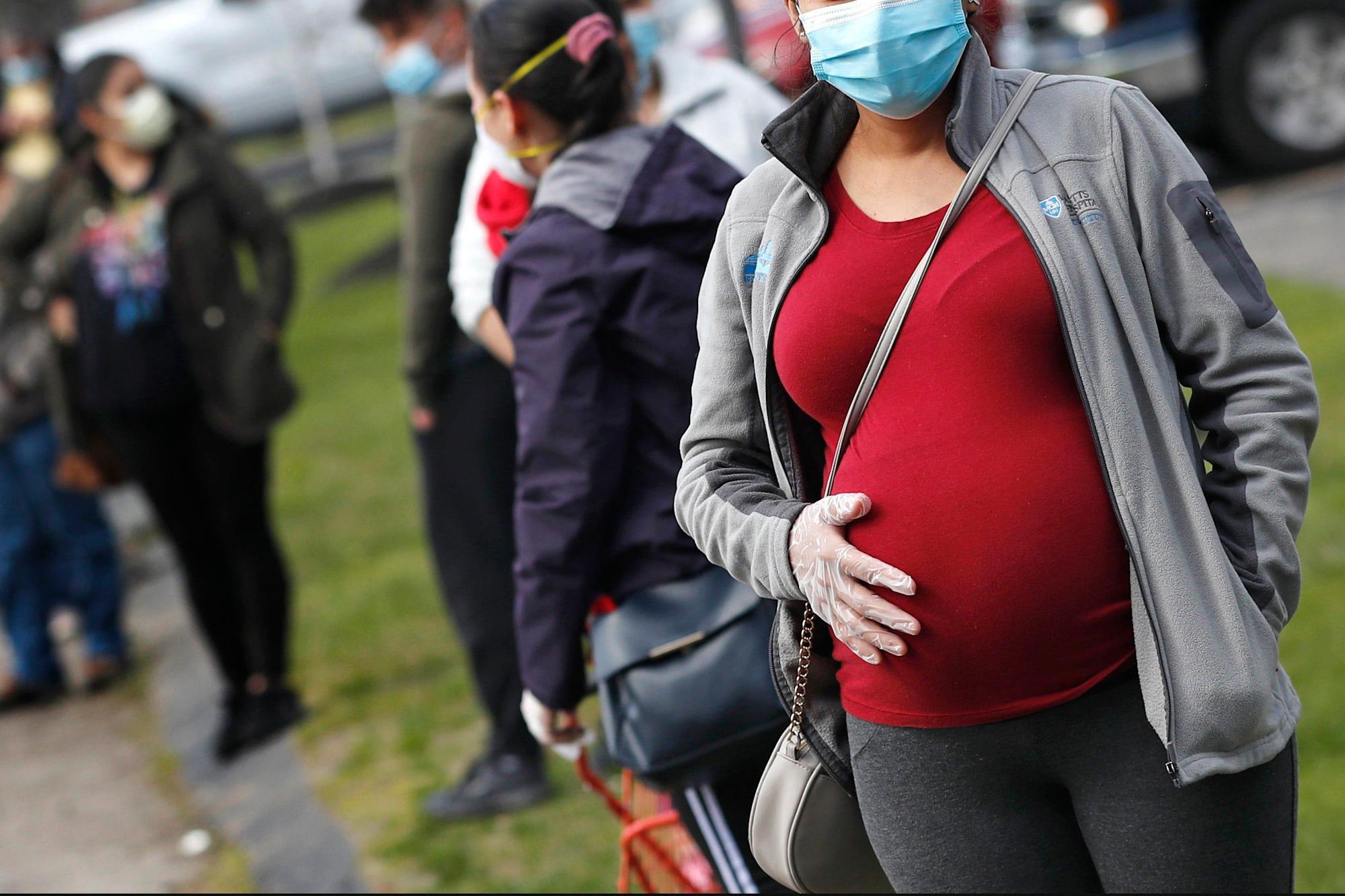
Doctors have long known that unplanned pregnancies in women with certain chronic health problems and exposure in the womb to substances like drugs and alcohol can lead to a child’s increased risk for psychiatric or behavioral problems.
But a study published Wednesday by researchers from Massachusetts General Hospital found the combined exposure of two or more specific risk factors significantly increases that likelihood.
“While individually these factors had previously been associated with similar risks in prior, often smaller studies, this is the first time that we were able to gauge the effect of cumulative exposures, which were fairly dramatic,” said lead author Dr. Joshua Roffman, director of the Massachusetts General Early Brain Development Initiative.
The study, published Wednesday in the peer-reviewed journal PLOS ONE, found children subjected to two or more of six adverse exposures during pregnancy were more likely to have a higher score on the Child Behavior Checklist, which is used to detect behavioral and emotional problems in children and adolescents, according to the American Psychological Association.
The six adverse events included an unplanned pregnancy; use of alcohol, tobacco or marijuana before pregnancy was recognized; complications during pregnancy, such as high blood pressure or gestational diabetes; and complications during labor and delivery.
The Child Behavioral Checklist consists of eight symptoms or “syndrome scales”: anxious/depressed, withdrawn/depressed, somatic complaints, social problems, thought problems, attention problems, aggressive behavior and rule-breaking behavior.
In Wednesday’s study, researchers looked at nearly 10,000 children between the ages of 9 and 10 living in 21 communities throughout the U.S.
They found children with none of the exposures during their mother’s pregnancy had only a 7% chance of developing psychiatric symptoms. However, children with four or more of the exposures had a 29% chance.
“We know that brain development is really sensitive, that’s where a lot of these (symptoms) occur,” said Dr. Parker Huston, pediatric psychologist at Nationwide Children’s Hospital in Columbus Ohio. “The mother’s system is the baby’s system during that gestation period, so when there’s increased stress on the mother’s system … those things can impact brain development.”
Topic Discussed: Two or more of these risk factors during pregnancy may increase a child’s risk of mental health problems years later
Read More[/vc_column_text][/vc_column][/vc_row][vc_row css=”.vc_custom_1618658856512{margin-top: 75px !important;}”][vc_column][vc_column_text]
About | OB Videos | Insurances Accepted | Blog | Providers | Michael Anthony, MD, FACOG | Noemi Maydew, MD, FACOG | Anne Bond Bonpain, MD, FACOG | Elita Wyckoff, MD, FACOG | Gilberto Rodrigo, MD, FACOG | Jennifer Fraley, MD, FACOG | Heather Flowers | Courtney Braswell | Services | Patient Care | Advanced Care Team | Testimonials | Contact Us | Patient Portal
[/vc_column_text][/vc_column][/vc_row]

by OB/GYN | May 5, 2021 | OB/GYN News
Topic: U.S. birth rate falls to lowest point in more than a century
One in eight couples suffers from infertility in the United States, according to the US Centers for Disease Control and Prevention.
The U.S. birth rate fell 4% last year, the largest single-year decrease in nearly 50 years, according to a government report being released Wednesday.
The rate dropped for moms of every major race and ethnicity, and in nearly age group, falling to the lowest point since federal health officials started tracking it more than a century ago.
Births have been declining in younger women for years, as many postponed motherhood and had smaller families.
Birth rates for women in their late 30s and in their 40s have been inching up. But not last year.
“The fact that you saw declines in births even for older moms is quite striking,” said Brady Hamilton, of the Centers for Disease Control and Prevention, the lead author of the new report.
The CDC report is based on a review of more than 99% of birth certificates issued last year. The findings echo a recent Associated Press analysis of 2020 data from 25 states showing that births had fallen during the coronavirus outbreak.
The pandemic no doubt contributed to last year’s big decline, experts say. Anxiety about covid-19 and its impact on the economy likely caused many couples to think that having a baby right then was a bad idea.
But many of the 2020 pregnancies began well before the U.S. epidemic. CDC researchers are working on a follow-up report to better parse out how the decline unfolded, Hamilton said.
Topic Discussed: U.S. birth rate falls to lowest point in more than a century

by OB/GYN | May 4, 2021 | OB/GYN News
[vc_row][vc_column][vc_column_text]Topic: Why Americans lack adequate access to fertility treatments
One in eight couples suffers from infertility in the United States, according to the US Centers for Disease Control and Prevention.
My husband and I are that one in eight.
When we decided to start our family in 2017, I was 29 years old and expected that having children was par for the course after I got married. We soon discovered that I had a low ovarian egg reserve and my husband had poor sperm count and quality.
For the next 18 months we went through some of the most challenging moments of our marriage. At times I didn’t think we would stay together. It nearly broke us.
We ended up doing two rounds of in vitro fertilization, more commonly known as IVF. One round was covered by my company’s insurance, but the other was not, since I had exhausted all my benefits with the first round. Throughout our process we received questions from family and friends such as, “How are you paying for this? Isn’t it expensive?”
That got me thinking.
When someone has a knee replacement, do we ask how much it costs? When a family member has an illness, do we ask how they managed to find the financial means to have treatment? We usually don’t.
Why does the price tag immediately come to mind when it comes to infertility? I think it’s because access to fertility insurance coverage in the United States is hard to come by, and a round of IVF can cost upwards of $12,000 — not including medication, according to a University of Iowa study cited by the National Conference of State Legislatures.
Infertility is generally defined as the inability to get pregnant after one year of regular, unprotected sex. Although the World Health Organization recognized infertility as a disease in 2009, followed by the American Medical Association in 2017, the US pales in comparison to some other countries when it comes to accessibility of treatments.
Topic Discussed: Why Americans lack adequate access to fertility treatments
Read More[/vc_column_text][/vc_column][/vc_row][vc_row css=”.vc_custom_1618658856512{margin-top: 75px !important;}”][vc_column][vc_column_text]
About | OB Videos | Insurances Accepted | Blog | Providers | Michael Anthony, MD, FACOG | Noemi Maydew, MD, FACOG | Anne Bond Bonpain, MD, FACOG | Elita Wyckoff, MD, FACOG | Gilberto Rodrigo, MD, FACOG | Jennifer Fraley, MD, FACOG | Heather Flowers | Courtney Braswell | Services | Patient Care | Advanced Care Team | Testimonials | Contact Us | Patient Portal
[/vc_column_text][/vc_column][/vc_row]

by OB/GYN | May 3, 2021 | OB/GYN News
[vc_row][vc_column][vc_column_text]Topic: 5 Foods to include in your diet for your baby’s hair growth during pregnancy
It is said that what you eat during the nine months of pregnancy decides your baby’s health. One of the most important aspects of getting the right nutrition in your body also affects your baby’s hair growth. Here are 5 foods to eat for your baby’s hair.
A baby’s hair starts growing in the womb during 14th and 15th week of pregnancy and this phenomenon occurs in two cycles. Shedding and then regrowing. There are no new follicles that appear after the birth of the child. Since hair too needs nutrients for it to grow properly, your body should have sufficient nutrients for the same. It is not only important for the baby’s hair, but also for overall health and optimum development.
If you wish for your baby to have thick and strong hair, you need to consume certain foods in your diet regularly. Since estrogen is responsible for your baby’s hair growth, these are the foods you must include in your diet for proper hair growth of your child during pregnancy.
Eggs
Consuming eggs during pregnancy is a must. This promotes good health and hair growth in the unborn baby. You can eat eggs as your daily breakfast meal or at night.
Fish
Fish is an excellent source of omega-3 and fatty acids that are known to improve hair growth. However, be careful while consuming fish during pregnancy as not all types of fish are safe to consume. Consult with your nutritionist or gynaecologist before consuming fish during pregnancy.
Nuts
Along with having multiple health benefits, nuts are to be highly recommended for pregnant women. They are packed with nutrients and are essential to provide essential vitamins for baby’s hair.
Avocado
This exotic fruit is loaded with vitamins B and E that are essential for having healthy hair. It not only promotes the baby’s hair growth but also helps in recovering hair loss after pregnancy in women. Have an adequate amount of avocado in your diet and wait for the results.
Topic Discussed: 5 Foods to include in your diet for your baby’s hair growth during pregnancy
Read More[/vc_column_text][/vc_column][/vc_row][vc_row css=”.vc_custom_1618658856512{margin-top: 75px !important;}”][vc_column][vc_column_text]
About | OB Videos | Insurances Accepted | Blog | Providers | Michael Anthony, MD, FACOG | Noemi Maydew, MD, FACOG | Anne Bond Bonpain, MD, FACOG | Elita Wyckoff, MD, FACOG | Gilberto Rodrigo, MD, FACOG | Jennifer Fraley, MD, FACOG | Heather Flowers | Courtney Braswell | Services | Patient Care | Advanced Care Team | Testimonials | Contact Us | Patient Portal
[/vc_column_text][/vc_column][/vc_row]