by OB/GYN | May 20, 2021 | OB/GYN News
[vc_row][vc_column][vc_column_text]Topic: COVID-19 puts spotlight on disparities in research on women’s health
When Katharine Lee, a postdoctoral research fellow at Washington University in St. Louis, and Kathryn Clancy, an associate professor of anthropology at the University of Illinois Urbana-Champaign, each say they experienced unexpected menstrual cycles after receiving the COVID-19 vaccine, they did what researchers do and began to collect data.
Clancy conferred with Lee, who said several colleagues had also reported differing menstrual symptoms, and issued a single tweet in late February explaining her own symptoms and asking if anyone else had experienced anything similar.
Three months later, Lee and Clancy say more than 80,000 people have documented their experiences in an online survey they collaborated on examining short-term vaccine side effects related to the menstrual cycle.
“We’ve gotten so many messages where people got a heavier period or a period they weren’t expecting and were frantically Googling to see what was wrong with themselves,” Lee told “Good Morning America.” “And they stumbled across our survey and we were the only people saying, ‘Hey, did this happen to anyone?'”
Today, with millions of Americans already fully vaccinated, scientists and doctors still don’t know exactly why — or even if — vaccines might impact menstruation.
Unexpected changes to a woman’s period can happen from an inflammatory response or because of stressful events. And experts agree any changes to menstruation are likely to be temporary, and there is no reason for women to worry, including when it comes to fertility.
But women including Lee and Clancy, who experienced the menstrual changes themselves, say the lack of research and interest in the vaccines’ impacts on people’s menstrual cycles is a sign of what happens when women are left behind in medical research, as they have historically been.
“We owe it to people as researchers to understand that experience,” said Lee. “Much as people were recommending to have Tylenol on hand in case you get a fever [after the vaccine] and to make sure your schedule is clear in case you get fatigue and a headache, this is just something that people should be informed about what could happen to them so they can react appropriately and not be scared.”
“This again speaks to the importance of inclusion and equity within scientific research spaces,” added Clancy. “If we hadn’t had all of these bodies that had periods and had uteruses having these experiences, having this expertise, we might not have put all of this together.”
Topic Discussed: COVID-19 puts spotlight on disparities in research on women’s health
Read More[/vc_column_text][/vc_column][/vc_row][vc_row css=”.vc_custom_1618658856512{margin-top: 75px !important;}”][vc_column][vc_column_text]
About | OB Videos | Insurances Accepted | Blog | Providers | Michael Anthony, MD, FACOG | Noemi Maydew, MD, FACOG | Anne Bond Bonpain, MD, FACOG | Elita Wyckoff, MD, FACOG | Gilberto Rodrigo, MD, FACOG | Jennifer Fraley, MD, FACOG | Heather Flowers | Courtney Braswell | Services | Patient Care | Advanced Care Team | Testimonials | Contact Us | Patient Portal
[/vc_column_text][/vc_column][/vc_row]
by OB/GYN | May 18, 2021 | OB/GYN News
[vc_row][vc_column][vc_column_text]Topic: Mental health and pregnancy: ‘I couldn’t hold my baby for more than a minute’
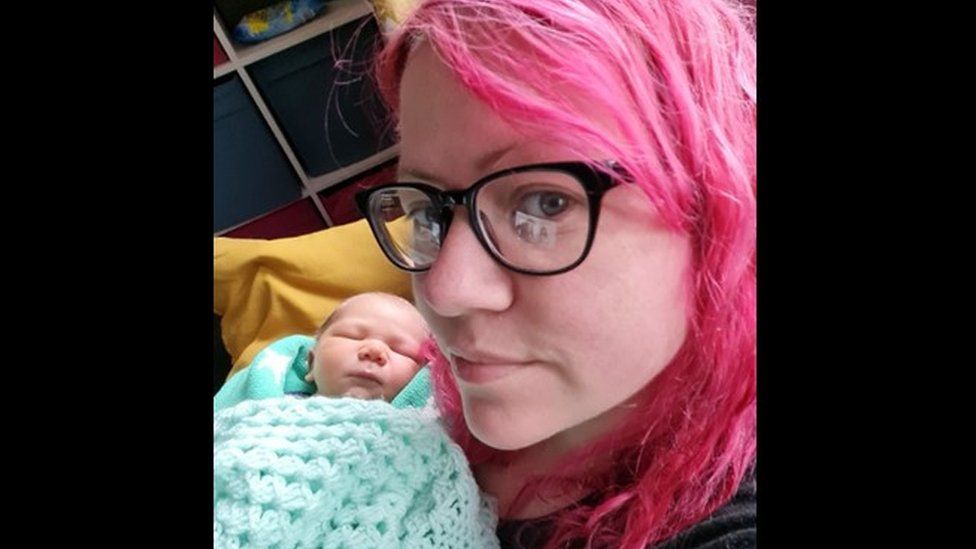
Seaneen Molloy was excited to discover she was expecting her second baby during lockdown. With a history of mental illness, she carefully planned the pregnancy, but when her baby arrived she experienced the “terrifyingly rapid” onset of a crisis which left her unable to hold baby Jack.
Having a baby is supposed to be a joyful experience, and for lots of women it is. However, up to 20% experience mental ill health during pregnancy and the year after birth. Tragically, suicide is the leading cause of death in new mothers.
Women who already have a mental illness are at a high risk of relapse during pregnancy – that’s women like me.
I have a diagnosis of bipolar disorder and an anxiety disorder. This meant that pretty much from the moment I became pregnant, the perinatal mental health team were involved.
This includes specialist midwives, psychiatrists, nurses and social workers whose goal is to support women to stay well, and intervene quickly if they don’t.
Normally, I manage my mental health by being careful with my sleep and leading a pretty boring life away from overwork and alcohol, but pregnancy chucks in a host of factors you have no control over.
Hormones rage through your body, wreaking havoc upon your mood, your energy levels and your ability to keep your lunch down. You either can’t stay awake or are awake for hours – peeing a thousand times and being hoofed by tiny feet.
I had managed to stay well, and off medication, for years, but in the run-up to birth antipsychotic medication was introduced to prevent postpartum psychosis. This can cause women to develop delusions and lose touch with reality.
It’s the one I was most at risk of developing due to my history of bipolar disorder, but in the end, I experienced postnatal anxiety.
Topic Discussed: Mental health and pregnancy: ‘I couldn’t hold my baby for more than a minute’
Read More[/vc_column_text][/vc_column][/vc_row][vc_row css=”.vc_custom_1618658856512{margin-top: 75px !important;}”][vc_column][vc_column_text]
About | OB Videos | Insurances Accepted | Blog | Providers | Michael Anthony, MD, FACOG | Noemi Maydew, MD, FACOG | Anne Bond Bonpain, MD, FACOG | Elita Wyckoff, MD, FACOG | Gilberto Rodrigo, MD, FACOG | Jennifer Fraley, MD, FACOG | Heather Flowers | Courtney Braswell | Services | Patient Care | Advanced Care Team | Testimonials | Contact Us | Patient Portal
[/vc_column_text][/vc_column][/vc_row]

by OB/GYN | May 17, 2021 | OB/GYN News
[vc_row][vc_column][vc_column_text]Topic: Your Guide To Hiking During Pregnancy
“Make sure you don’t lift heavy things. And don’t bend over to pick anything up.”
This advice from my husband’s grandmother didn’t seem very practical. But I was a first-time mom pregnant with twins and I wanted her to at least know that I appreciated her concern. Less than 30 seconds after the counsel left her lips, I dropped my keys. We both looked down and a sly grin slowly spread across her face as a silent dare. Of course, I picked my keys up. But the timing in this moment couldn’t have been more perfect.
Many of us find ourselves confused about what is physically safe when pregnant. And it doesn’t help to be overcast with advice from everyone who knows exactly what you should do. But experiences and struggles of pregnancy vary from mom to mom, and many factors contribute to what is recommended physically. If you are used to moving about and find hiking as a great athletic outlet, how does that change when you become pregnant? Is it safe to take these long walks in the sun over various terrains, and how do these conditions affect the body differently when you’re growing a baby?
“For women who are used to being active and hiking as exercise, they can continue to hike but will need to make some adjustments to their routine,” advises Patricia Ladis a physical therapist who specializes in pregnancy and postpartum.
She and other experts weigh in, and they don’t stop at whether or not hiking is OK. They also share some of the safest ways to hike, from the best clothing to wear to what time of day is recommended.
Exercising While Pregnant
“As a general rule, women who were physically active pre-pregnancy can maintain the same level of physical activity during the pregnancy. If you weren’t physically active before the pregnancy and start exercising during pregnancy, you want to take things slow,” says Dominique Luckey, OB-GYN.
Ladis recommends continuing a daily aerobic exercise routine for at least 30 minutes, which is “the exact amount of time it takes to optimize neuroplasticity, the healthy development of new brain cells. With enhanced cellular turnover, pregnant women can reset their minds, improve mood, enhance learning, have more energy, and improve circulation, all of which benefit both you and your baby.”
“If you have a complicated pregnancy with a high-risk condition that requires limited activity, then hiking would not be recommended,” adds Luckey.
Topic Discussed: Your Guide To Hiking During Pregnancy
Read More[/vc_column_text][/vc_column][/vc_row][vc_row css=”.vc_custom_1618658856512{margin-top: 75px !important;}”][vc_column][vc_column_text]
About | OB Videos | Insurances Accepted | Blog | Providers | Michael Anthony, MD, FACOG | Noemi Maydew, MD, FACOG | Anne Bond Bonpain, MD, FACOG | Elita Wyckoff, MD, FACOG | Gilberto Rodrigo, MD, FACOG | Jennifer Fraley, MD, FACOG | Heather Flowers | Courtney Braswell | Services | Patient Care | Advanced Care Team | Testimonials | Contact Us | Patient Portal
[/vc_column_text][/vc_column][/vc_row]

by OB/GYN | May 14, 2021 | OB/GYN News
[vc_row][vc_column][vc_column_text]Topic: How Is Melasma Treated During Pregnancy?
Your body goes through tremendous changes during pregnancy.
Your belly gets larger and your blood volume increases as your baby grows. You may experience cramping, morning sickness, and all sorts of unfamiliar aches and pains. Your hair and skin may also go through a transformation for the better — or worse. (You’re beautiful all the same.)
If you’ve noticed dark patches of skin on your face, you may have melasma. Here’s more about this condition, why it crops up in pregnancy, and how you can treat it safely.
What is melasma in pregnancy?
Melasma is a skin disorder where the melanocytes (color-producing cells) in your skin produce extra pigment for some reason. In pregnancy, it’s often referred to as chloasma, or the “mask of pregnancy.”
Chloasma is a cosmetic concern. It doesn’t affect your baby in any way or indicate any other pregnancy complications.
People with more pigment in their skin — for example, those of African, North African, Middle Eastern, Latin or Hispanic, Asian, Indian, or Mediterranean descent — are more likely to develop chloasma, as they naturally have more active melanin production.
Overall, between 50 and 70Trusted Source percent of people will develop some form of melasma during pregnancy.
Symptoms of melasma in pregnancy
The primary symptom of chloasma is darkening of the skin on the face. You may notice dark patches or splotches on your forehead, cheeks, chin, or around your mouth. These areas may get darker the more you’re exposed to the sun or the further along you are in your pregnancy.
Pain, itchiness, or soreness are not symptoms of melasma. If you experience these signs or develop severe irritation, you may be dealing with another condition. Bring up any additional symptoms you have with your doctor.
A dermatologist can accurately diagnose your condition using a Wood’s lamp, which helps show whether a skin condition is bacterial, fungal, or otherwise concerning.
Topic Discussed: How Is Melasma Treated During Pregnancy?
Read More[/vc_column_text][/vc_column][/vc_row][vc_row css=”.vc_custom_1618658856512{margin-top: 75px !important;}”][vc_column][vc_column_text]
About | OB Videos | Insurances Accepted | Blog | Providers | Michael Anthony, MD, FACOG | Noemi Maydew, MD, FACOG | Anne Bond Bonpain, MD, FACOG | Elita Wyckoff, MD, FACOG | Gilberto Rodrigo, MD, FACOG | Jennifer Fraley, MD, FACOG | Heather Flowers | Courtney Braswell | Services | Patient Care | Advanced Care Team | Testimonials | Contact Us | Patient Portal
[/vc_column_text][/vc_column][/vc_row]
by OB/GYN | May 12, 2021 | OB/GYN News
[vc_row][vc_column][vc_column_text]Topic: Doctors Forgot to Warn People With Breasts That the Covid Vaccine Could Affect Their Next Mammogram
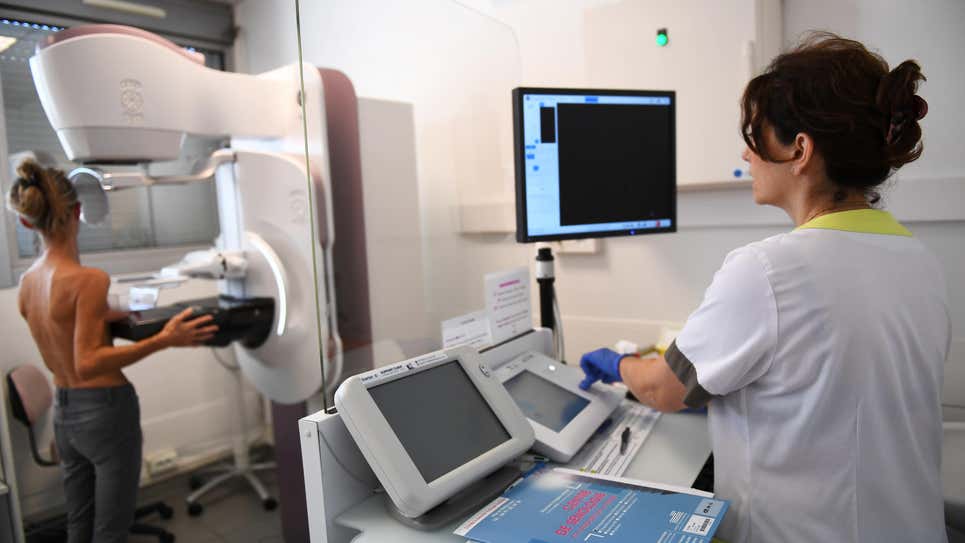
“So let me tell you about this medical scare I’ve been having for the last few days,” was the opening line from my mother during our bi-weekly FaceTime call. Like countless women, she’d gone in for her annual mammogram and was expecting to receive a prompt notice from her doctor’s office telling her all was well and to remember to schedule another mammogram around the same time next year.
Instead, she got a letter with the words “found” and “most likely benign” too close together in the same sentence. As my mother would eventually find out after spending days mentally planning her own funeral, the swelling of her lymph nodes was a false flag triggered by having received the second dose of the covid vaccine a few days before her mammogram.
According to the Cleveland Clinic, as more women receive the vaccine, doctors are noticing a sharp rise in their mammograms showing swollen lymph nodes under the arm—which, under different circumstances, can sometimes be indicative of breast cancer. For most recipients of the covid vaccine, doctors say that swollen lymph nodes are a common response by the body. “The whole point of the vaccine is to get your immune system to mount a response to whatever the vaccine agent is,” one doctor explained to the Cleveland Clinic.
Lymph nodes which function as filters for trapping viruses in the body often serve as one of the early detection signs for breast cancer. When the lymph nodes swell it’s part of a larger immune system response—and when those nodes are closer to the breasts, they can be indicative of a cancer spread. Because the vaccine is shot into the upper arm, doctors are not surprised that the common immune response of swollen lymph nodes is showing up in the underarm area.
Topic Discussed: Doctors Forgot to Warn People With Breasts That the Covid Vaccine Could Affect Their Next Mammogram
Read More[/vc_column_text][/vc_column][/vc_row][vc_row css=”.vc_custom_1618658856512{margin-top: 75px !important;}”][vc_column][vc_column_text]
About | OB Videos | Insurances Accepted | Blog | Providers | Michael Anthony, MD, FACOG | Noemi Maydew, MD, FACOG | Anne Bond Bonpain, MD, FACOG | Elita Wyckoff, MD, FACOG | Gilberto Rodrigo, MD, FACOG | Jennifer Fraley, MD, FACOG | Heather Flowers | Courtney Braswell | Services | Patient Care | Advanced Care Team | Testimonials | Contact Us | Patient Portal
[/vc_column_text][/vc_column][/vc_row]

by OB/GYN | May 11, 2021 | OB/GYN News
[vc_row][vc_column][vc_column_text]Topic: Work and social strain increase women’s risk of coronary heart disease
According to a new study, the combined effect of stress from social interactions and paid work increases women’s likelihood of developing coronary heart disease (CHD) by 21%.
The study also found that high stress life events were linked with a 12% increase in the risk of developing CHD, while social strain increased the risk by 9%.
If accurate, these findings could help women reduce their risk of developing CHD by focusing on ways to prevent or manage work and social strain.
The relationship between psychosocial stress and CHD seems to be stronger in women than in men. It may also vary depending on the type of stress or stressor.
However, it is unclear how different types of psychosocial stress impact women’s risk of developing CHD.
For this reason, a research team from Drexel University Dornsife School of Public Health in Philadelphia, PA, decided to investigate the association of psychosocial stressors — including job strain, stressful life events, and social strain — with the incidence of CHD in women.
They combed through the data collected as part of the Women’s Health Initiative Observational Study (WHIOS), to assess the independent and combined impact of stressful life events, social relationships, and paid work.
Their findings, which appear in the Journal of the American Heart Association, indicate that work and social strain seem to pack a double punch, increasing women’s risk of developing CHD by 21%.
Topic Discussed: Work and social strain increase women’s risk of coronary heart disease
Read More[/vc_column_text][/vc_column][/vc_row][vc_row css=”.vc_custom_1618658856512{margin-top: 75px !important;}”][vc_column][vc_column_text]
About | OB Videos | Insurances Accepted | Blog | Providers | Michael Anthony, MD, FACOG | Noemi Maydew, MD, FACOG | Anne Bond Bonpain, MD, FACOG | Elita Wyckoff, MD, FACOG | Gilberto Rodrigo, MD, FACOG | Jennifer Fraley, MD, FACOG | Heather Flowers | Courtney Braswell | Services | Patient Care | Advanced Care Team | Testimonials | Contact Us | Patient Portal
[/vc_column_text][/vc_column][/vc_row]