by OB/GYN | Oct 8, 2021 | OB/GYN News
[vc_row][vc_column][vc_column_text]Topic: Exercise May Help to Ease ‘Chemo Brain’
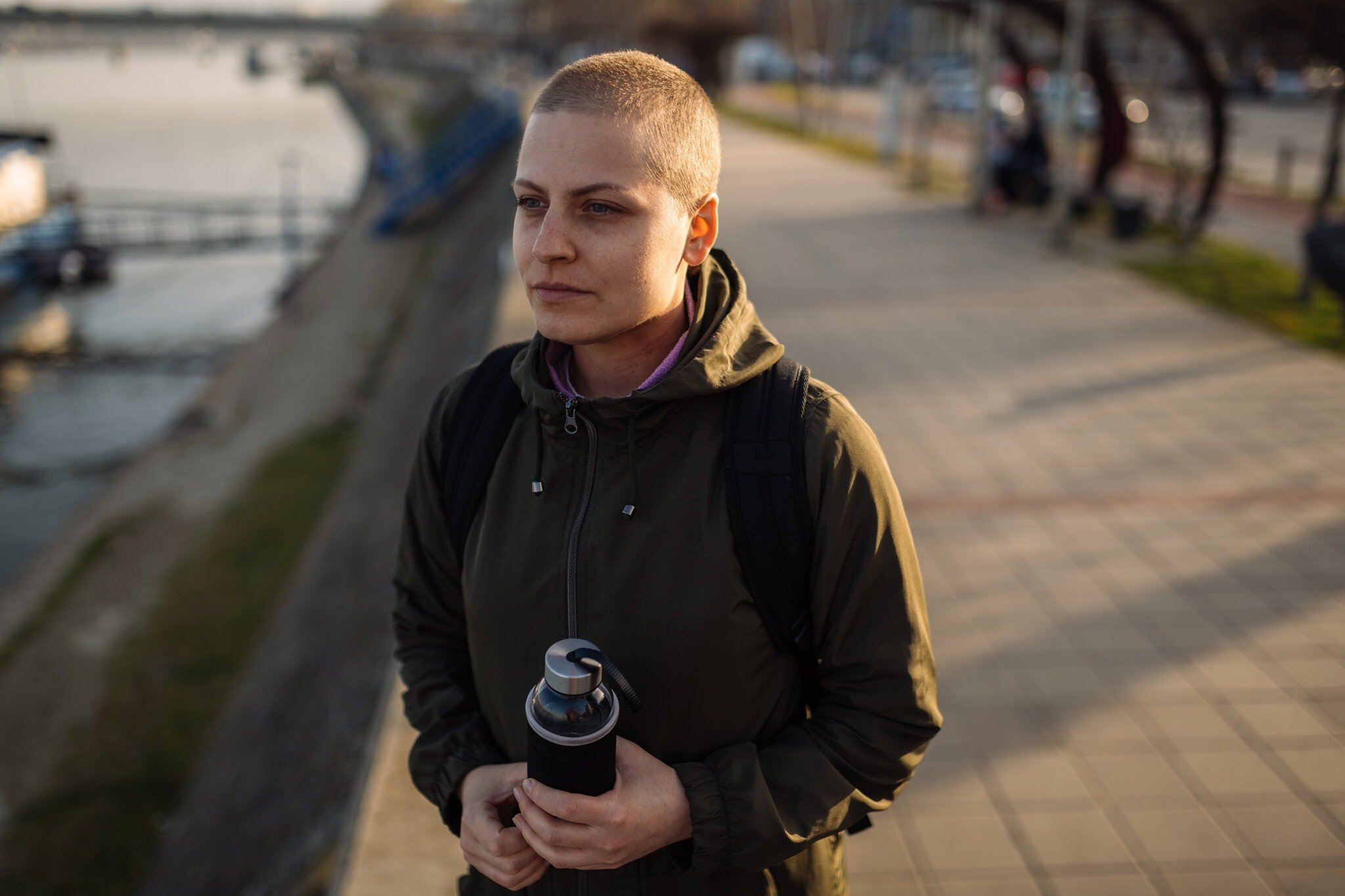
Women undergoing chemotherapy for breast cancer who stayed physically active had fewer problems with memory and thinking.
Regular exercise may help lessen “chemo brain” among women being treated for breast cancer, according to a large-scale new study of the associations between physical activity, chemotherapy and cognition. The study, which involved more than 500 women with breast cancer, finds that those who were the most active before, during or after their treatment were the least likely to develop the memory decline and foggy thinking that characterize chemo brain.
The study does not pinpoint precisely how exercise may protect the brain during chemotherapy, but does suggest even small amounts of activity, such as a half-hour walk when possible, could make a difference in cancer patients’ ability to think and remember as they move toward recovery.
Cognitive problems are nearly universal among women undergoing chemotherapy for breast cancer. “Most patients will experience some degree of cognitive decline” during or after their treatment, said Elizabeth A. Salerno, an assistant professor of surgery and public health at Washington University School of Medicine in St. Louis, who led the new study. In an earlier study written by many of her collaborators, researchers found that women’s ability to concentrate and remember worsened significantly after they began chemotherapy, and the falloff lingered or even accelerated through the six months after their treatment ended.
The causes of this so-called chemo brain remain somewhat mysterious, Dr. Salerno said, but probably involve a complex interplay between physical and psychological side effects from the disease and treatment. Chemotherapy drugs may directly undermine the operations of certain brain cells, for instance, or cause inflammation throughout the brain. Women with breast cancer also often struggle with fatigue, depression or anxiety during their treatment, which likewise can influence the ability to think and remember.
Meanwhile, experts increasingly recommend exercise for people with cancer of almost any type, including breast cancer, since it typically combats certain of the more-debilitating side effects of treatment, such as fatigue and muscle loss. Perhaps even more important, in high-risk breast cancer patients, exercise is linked to significantly lower risks of recurrence and longer life spans.
But little has been known about whether being active might also alter the severity of chemo brain. Past research into moving and thinking during breast cancer treatment has been mostly small in scale or centered on physical activity during chemotherapy, when few women, understandably, manage to get much exercise.
Topic Discussed: Exercise May Help to Ease ‘Chemo Brain’
Read More[/vc_column_text][/vc_column][/vc_row][vc_row css=”.vc_custom_1618658856512{margin-top: 75px !important;}”][vc_column][vc_text_separator title=”Services We Offer:”][vc_column_text]
Laparoscopy | Abnormal Bleeding | Menopause | Minimally Invasive Surgery | Contraception | Pap Smear | Pelvic Pain | Family Planning | STD Testing | Hormone Therapy | Hysterectomy | Infertility | 3D Mammography | Pregnancy & Prenatal Care | Preventive Screening
[/vc_column_text][vc_text_separator title=”Website Navigation:”][vc_column_text]
Home | About | OB Videos | Insurances Accepted | Blog | Providers | Michael Anthony, MD, FACOG | Noemi Maydew, MD, FACOG | Anne Bond Bonpain, MD, FACOG | Elita Wyckoff, MD, FACOG | Gilberto Rodrigo, MD, FACOG | Jennifer Fraley, MD, FACOG | Heather Flowers | Courtney Braswell | Services | Patient Care | Advanced Care Team | Testimonials | Contact Us | Patient Portal
[/vc_column_text][/vc_column][/vc_row]

by OB/GYN | Oct 7, 2021 | OB/GYN News
[vc_row][vc_column][vc_column_text]Topic: How a simple tummy-rub can change babies’ lives
Baby massage has been practised in South Asia for centuries. Now scientists are discovering its life-saving potential.
On a cool October evening, Renu Saxena brought her newborn daughter home from hospital in the southern Indian city of Bengaluru. It struck her just how fragile her baby was, her tiny veins glowing through her translucent skin. She had been born early, at 36 weeks, and weighed only 2.4kg (5.3lbs). Saxena’s family urged her to immediately start an age-old Indian remedy for helping newborns thrive: daily baby massage. But her doctors were more cautious, and suggested she wait until the baby had put on more weight before starting massages.
Saxena struck a compromise, and decided to hold off for two weeks. During that time, her daughter gained hardly any weight, less than 100g (3.5oz) a week, and slept fitfully. It was only when Saxena hired a retired neonatal nurse, and learned the art of traditional baby massage from her, that things took a turn for the better. Her daughter not only began to sleep well, she also put on more weight.
Far from an isolated success, Saxena’s experience is backed by a growing body of evidence on the surprising benefits of South Asian baby massage, including for premature babies. Studies have shown that these oil massages, when done properly, can boost babies’ weight gain prevent bacterial infections, and cut infant mortality by up to 50%. Parents interested in the technique should however discuss it with their healthcare provider first, to ensure it is safe and suitable for their child.
To the families who treasure this ancestral practice, the findings confirm their own observations. Saxena, a former advertising executive, originally hails from the northern Indian state of Uttar Pradesh, known for its tradition of massaging both mother and infant soon after birth. Her extended family has been following the routine for generations.
“When we were growing up, my mother would always tell us how she recovered far more quickly after giving birth to me, her third child, and how I thrived because she started a massage routine the day she came home after birth,” Saxena says.
The neonatal nurse showed her how to warm the oils, alternating between pure coconut and almond, and safely apply them to her daughter’s skin in daily half-hour sessions, followed by a warm bath.
“We started with gentle, heart-shaped strokes over the baby’s tummy, and extended it to other parts of the body,” she says. “Then we gently exercised the limbs, touching the tips of the toes to the forehead to relieve any trapped gas.”
Massaging infants can give them health benefits that last well into adulthood, researchers say.
“The skin is the largest organ of the body, but we often minimise how important skincare is to overall health,” says Gary Darmstadt, professor of neonatal and developmental medicine at the Stanford University School of Medicine.
Topic Discussed: How a simple tummy-rub can change babies’ lives
Read More[/vc_column_text][/vc_column][/vc_row][vc_row css=”.vc_custom_1618658856512{margin-top: 75px !important;}”][vc_column][vc_text_separator title=”Services We Offer:”][vc_column_text]
Laparoscopy | Abnormal Bleeding | Menopause | Minimally Invasive Surgery | Contraception | Pap Smear | Pelvic Pain | Family Planning | STD Testing | Hormone Therapy | Hysterectomy | Infertility | 3D Mammography | Pregnancy & Prenatal Care | Preventive Screening
[/vc_column_text][vc_text_separator title=”Website Navigation:”][vc_column_text]
Home | About | OB Videos | Insurances Accepted | Blog | Providers | Michael Anthony, MD, FACOG | Noemi Maydew, MD, FACOG | Anne Bond Bonpain, MD, FACOG | Elita Wyckoff, MD, FACOG | Gilberto Rodrigo, MD, FACOG | Jennifer Fraley, MD, FACOG | Heather Flowers | Courtney Braswell | Services | Patient Care | Advanced Care Team | Testimonials | Contact Us | Patient Portal
[/vc_column_text][/vc_column][/vc_row]

by OB/GYN | Oct 5, 2021 | OB/GYN News
[vc_row][vc_column][vc_column_text]Topic: Women could lead longer, healthier lives – first global index of women’s health urges action from policymakers
Over the past year, more than 1.5 billion women worldwide were not tested for some of the most prevalent and pernicious diseases women face: cancer, diabetes, high blood pressure and sexually transmitted diseases/infections (STDs/STIs).
That’s one of the findings of the inaugural Global Women’s Health Index, developed by medical tech company, Hologic. Based on the experiences of more than 60,000 women and girls from 116 countries, the Index ranks countries with a score out of 100. The global average is just 54, Hologic says, with the highest score (69 out of 100) going to Taiwan and the lowest to Peru (36).
“Women’s health is the cornerstone of families, communities, societies and economies,” Hologic’s Chairman, President and CEO, Stephen MacMillan, said in a press statement. Explaining the rationale for the Index, MacMillan continued: “We saw a clear need for more robust, quality data to track and measure women’s health on a global level – particularly as COVID-19 has worsened longstanding healthcare disparities.”
Childbirth and health outcomes
In almost all regions covered by the Index, women who became pregnant at a young age (under 19) were more likely to experience life-long negative effects on their education, health and livelihoods. This is true everywhere other than Australia and New Zealand, which buck this global trend.
Cancer care
Cancer remains one of the most prevalent – and most worrying – illnesses, blighting the lives of many millions of people. It is the second-leading cause of death globally (heart disease is the biggest killer) and caused an estimated 9.6 million deaths in 2018, according to the index.
The most common causes of death by cancer for both men and women in 2020, according to Hologic, were:
Lung (1.8 million deaths)
Colon and rectum (935,000 deaths)
Liver (830,000 deaths)
Stomach (769,000 deaths)
Breast (685,000 deaths)
Despite this, cancer screening rates for women, worldwide, remain low. The Hologic Index found that: “No country or territory has tested more than 38% of women for any type of cancer – and in a host of countries, the percentage is less than 10%”.
South Korea scored the highest here. By comparison, fewer than 1% of women in Pakistan said they had been tested for cancer in the preceding 12 months.
Emotional well-being
The index also looked at emotional health among women. Overall, women scored 68 on the Emotional Health dimension of the Index, ranging from 89 in Taiwan to a low of 39 in Iraq. Women below the age of 75 were more likely to experience negative feelings, as were those who experienced their first pregnancy before age 19, Hologic says.
Topic Discussed: Women could lead longer, healthier lives – first global index of women’s health urges action from policymakers
Read More[/vc_column_text][/vc_column][/vc_row][vc_row css=”.vc_custom_1618658856512{margin-top: 75px !important;}”][vc_column][vc_text_separator title=”Services We Offer:”][vc_column_text]
Laparoscopy | Abnormal Bleeding | Menopause | Minimally Invasive Surgery | Contraception | Pap Smear | Pelvic Pain | Family Planning | STD Testing | Hormone Therapy | Hysterectomy | Infertility | 3D Mammography | Pregnancy & Prenatal Care | Preventive Screening
[/vc_column_text][vc_text_separator title=”Website Navigation:”][vc_column_text]
Home | About | OB Videos | Insurances Accepted | Blog | Providers | Michael Anthony, MD, FACOG | Noemi Maydew, MD, FACOG | Anne Bond Bonpain, MD, FACOG | Elita Wyckoff, MD, FACOG | Gilberto Rodrigo, MD, FACOG | Jennifer Fraley, MD, FACOG | Heather Flowers | Courtney Braswell | Services | Patient Care | Advanced Care Team | Testimonials | Contact Us | Patient Portal
[/vc_column_text][/vc_column][/vc_row]

by OB/GYN | Sep 30, 2021 | OB/GYN News
[vc_row][vc_column][vc_column_text]Topic: Why Access to Birth Control Is No Substitute for Abortion Rights
We have reached a dangerous new place in the battle over bodies and birth control in the United States. After years of attacks, this month Texas effectively made most abortions illegal, when a law took effect—after the Supreme Court declined to block it—that prohibits abortion as early as six weeks into pregnancy, and allows private citizens to sue anyone who facilitates one after that.
I empathized with the instant expressions of fear and grief that many people committed to abortion rights expressed at the news. But, having studied the history of birth control in the U.S., I also grew worried about what was likely to come next: calls for people who can get pregnant to find a long-term form of birth control. Indeed, when Amy Coney Barrett was confirmed to the Supreme Court, one commentator suggested that focusing on access to long-acting reversible contraceptives for women could be a solution to impending abortion restrictions. Others have championed contraceptive access for women in the wake of bans.
These suggestions are part of a larger social approach that often redirects attention to women’s use of contraception when support for abortion comes up. This is familiar for many menstruating people who already bear the burden of preventing pregnancy, especially when facing partners who won’t wear condoms. It’s all a predictable cycle at this point—one in which, as is so often the case, individual American women end up asked to take responsibility for something that is really a society-wide problem.
It may seem reasonable to position long-term prescription birth control for birthing bodies as a solution to impending abortion restrictions. But the pill and other forms of long-acting reversible contraception must work alongside abortion, not as an alternative to it.
For one thing, there are important reasons why people may choose not to use that form of contraception. While almost half of sexually active American women ages 15-44 who were not seeking pregnancy reported using a reversible prescription method in 2016 (and another 22.4% were sterilized), the reality is that those contraceptives aren’t perfect. Side effects are the leading cause of stopping them because of dissatisfaction. One study of contraceptive preferences among women seeking abortion found that 78% of them deemed it extremely important that the method have no side effects. That’s a tough proposition with prescription methods. Condoms, however, are an accessible alternative that protect users against both pregnancy and sexually transmitted infections, and without side effects—though, with typical use, they are more likely to fail to prevent pregnancy. Perhaps not coincidentally, the condom was the method most commonly used by abortion patients in 2014, according to a 2018 analysis conducted by a researcher at the Guttmacher Institute. When the average American woman’s reproductive life span can last over 30 years, abortion availability is a necessary option.
Just as importantly, encouraging prescription birth control use as the solution to the loss of abortion rights is a continued reflection of the feminization of contraceptive responsibility. If there’s anything that I’ve learned from my research on the burdens of preventing pregnancy, it’s that women need both birth control and abortion. The U.S. has a nasty history of choosing birth control to solve issues understood as social problems instead of addressing those issues head on. We need practices that maximize reproductive freedom, not practices that condone uneven responsibility.
Topic Discussed: Why Access to Birth Control Is No Substitute for Abortion Rights
Read More[/vc_column_text][/vc_column][/vc_row][vc_row css=”.vc_custom_1618658856512{margin-top: 75px !important;}”][vc_column][vc_text_separator title=”Services We Offer:”][vc_column_text]
Laparoscopy | Abnormal Bleeding | Menopause | Minimally Invasive Surgery | Contraception | Pap Smear | Pelvic Pain | Family Planning | STD Testing | Hormone Therapy | Hysterectomy | Infertility | 3D Mammography | Pregnancy & Prenatal Care | Preventive Screening
[/vc_column_text][vc_text_separator title=”Website Navigation:”][vc_column_text]
Home | About | OB Videos | Insurances Accepted | Blog | Providers | Michael Anthony, MD, FACOG | Noemi Maydew, MD, FACOG | Anne Bond Bonpain, MD, FACOG | Elita Wyckoff, MD, FACOG | Gilberto Rodrigo, MD, FACOG | Jennifer Fraley, MD, FACOG | Heather Flowers | Courtney Braswell | Services | Patient Care | Advanced Care Team | Testimonials | Contact Us | Patient Portal
[/vc_column_text][/vc_column][/vc_row]

by OB/GYN | Sep 28, 2021 | OB/GYN News
[vc_row][vc_column][vc_column_text]Topic: Maternal Mental Health Matters: Pregnancy and Birth During the Pandemic
Pregnancy and childbirth are pivotal events in women’s lives. For many expecting and new mothers the pandemic has filled this time with fear, stress, anxiety and uncertainty.
May marks Maternal Mental Health Awareness Month, an event celebrated globally to raise awareness and help end stigma around maternal mental health.
“Raising awareness around maternal mental health allows us to change the narrative around the realities of motherhood. Motherhood is not all cuddles and baby kisses, but can be filled with sleepless nights, personal sacrifice, and self-doubt. By normalising the conversation around mental health, women who experience changes to their mental health during pregnancy and postpartum will know these changes are common and they’re not alone,” Patience Riley, a Licensed Professional Counsellor, tells Vanity Fair.
Seven in 10 women hide or downplay their symptoms. Seeking help is not always easy due to stigma surrounding perinatal mental illness as well as fear of looking like an incompetent mother and, at worst, their baby being taken away.
Wendy Davis, Executive Director at Postpartum Support International and global awareness organiser says, “Dedicating May as MMH awareness month and sharing global stories of recovery helps us share the information, connection, and resources that tells families that they are not alone and there is help available. We know that wellness is not just an absence of illness; it also includes connection with others who understand, access to informed support and treatment, and empowerment that comes from accurate information.”
V.F. spoke to eight women about what it is like to be pregnant and a first-time parent in different countries amid a global crisis.
Topic Discussed: Maternal Mental Health Matters: Pregnancy and Birth During the Pandemic
Read More[/vc_column_text][/vc_column][/vc_row][vc_row css=”.vc_custom_1618658856512{margin-top: 75px !important;}”][vc_column][vc_text_separator title=”Services We Offer:”][vc_column_text]
Laparoscopy | Abnormal Bleeding | Menopause | Minimally Invasive Surgery | Contraception | Pap Smear | Pelvic Pain | Family Planning | STD Testing | Hormone Therapy | Hysterectomy | Infertility | 3D Mammography | Pregnancy & Prenatal Care | Preventive Screening
[/vc_column_text][vc_text_separator title=”Website Navigation:”][vc_column_text]
Home | About | OB Videos | Insurances Accepted | Blog | Providers | Michael Anthony, MD, FACOG | Noemi Maydew, MD, FACOG | Anne Bond Bonpain, MD, FACOG | Elita Wyckoff, MD, FACOG | Gilberto Rodrigo, MD, FACOG | Jennifer Fraley, MD, FACOG | Heather Flowers | Courtney Braswell | Services | Patient Care | Advanced Care Team | Testimonials | Contact Us | Patient Portal
[/vc_column_text][/vc_column][/vc_row]

by OB/GYN | Sep 27, 2021 | OB/GYN News
[vc_row][vc_column][vc_column_text]Topic: Severe Infections During Pregnancy Associated With Complications Around Childbirth
Individuals who are hospitalized during pregnancy due to sepsis have higher odds of complications surrounding childbirth, according to a study led by researchers at UC San Francisco. The study found that pregnancies complicated by sepsis were associated with an increased risk of cesarean delivery, postpartum hemorrhage, and preterm delivery, highlighting the risk of any severe infection during pregnancy.
“If pregnant women were admitted for severe infection, even after they’re discharged and they recover from that infection, there was an increased risk of complications related to pregnancy that are associated with core placental dysfunction,” said Stephanie Gaw, MD, PhD, assistant professor of obstetrics, gynecology and reproductive sciences at UCSF, and senior author of the paper, which appears September 3, 2021, in JAMA Network Open.
Sepsis is a life-threatening condition caused by an unusually severe response to an infection, which leads to widespread inflammation in the body and, potentially, organ failure and death. Maternal sepsis is the second leading cause of maternal mortality in the United States, according to the Centers for Disease Control and Prevention (CDC).
The timing of infection also impacts outcomes for mother and baby. The cohort study found that patients with sepsis before delivery were twice as likely to have placental dysfunction compared to pregnant patients without sepsis.
During the study, the mean gestational age at the time of infection was 24.6 weeks. Early infection, at less than 24 weeks of gestation, was associated with the greatest risk of placental dysfunction, maternal hypertensive disorder, and newborns who were small for gestational age.
Topic Discussed: Severe Infections During Pregnancy Associated With Complications Around Childbirth
Read More[/vc_column_text][/vc_column][/vc_row][vc_row css=”.vc_custom_1618658856512{margin-top: 75px !important;}”][vc_column][vc_text_separator title=”Services We Offer:”][vc_column_text]
Laparoscopy | Abnormal Bleeding | Menopause | Minimally Invasive Surgery | Contraception | Pap Smear | Pelvic Pain | Family Planning | STD Testing | Hormone Therapy | Hysterectomy | Infertility | 3D Mammography | Pregnancy & Prenatal Care | Preventive Screening
[/vc_column_text][vc_text_separator title=”Website Navigation:”][vc_column_text]
Home | About | OB Videos | Insurances Accepted | Blog | Providers | Michael Anthony, MD, FACOG | Noemi Maydew, MD, FACOG | Anne Bond Bonpain, MD, FACOG | Elita Wyckoff, MD, FACOG | Gilberto Rodrigo, MD, FACOG | Jennifer Fraley, MD, FACOG | Heather Flowers | Courtney Braswell | Services | Patient Care | Advanced Care Team | Testimonials | Contact Us | Patient Portal
[/vc_column_text][/vc_column][/vc_row]