by OB/GYN | Mar 14, 2024 | Women's Health
[vc_row][vc_column][vc_column_text]Polycystic Ovary Syndrome (PCOS) is a common health condition affecting women of reproductive age, characterized by hormonal imbalances, irregular menstrual cycles, and the presence of small cysts on the ovaries. Living with PCOS can be challenging, but with effective management and lifestyle changes, women can alleviate symptoms and reduce long-term health risks. This blog will explore various strategies for managing PCOS symptoms and addressing its long-term health implications.
Understanding PCOS
Before delving into management strategies, it’s crucial to understand what PCOS is and how it affects the body. PCOS is a complex endocrine disorder with a range of symptoms that can include weight gain, acne, hirsutism (excessive hair growth), and fertility issues. These symptoms stem from imbalances in hormones such as insulin and androgens. Moreover, PCOS is associated with increased risks of diabetes, cardiovascular disease, and mental health issues, making management crucial.
Lifestyle Changes for PCOS Management
- Dietary Adjustments
A nutritious diet plays a pivotal role in managing PCOS. Women with PCOS are often insulin resistant, making them more prone to weight gain and diabetes. Adopting a low-glycemic diet that includes whole grains, lean proteins, and plenty of fruits and vegetables can help manage insulin levels and support weight loss. It’s also beneficial to limit processed foods, sugary beverages, and excessive amounts of caffeine and alcohol.
- Regular Physical Activity
Exercise is another cornerstone of PCOS management. Regular physical activity helps improve insulin sensitivity, promote weight loss, and reduce cardiovascular risks. Both aerobic exercises, like walking or cycling, and strength training can be beneficial. The key is to find activities you enjoy and incorporate them into your daily routine.
- Stress Management
Stress can exacerbate PCOS symptoms by impacting hormonal balance. Engaging in stress-reducing activities such as yoga, meditation, or deep-breathing exercises can be beneficial. Also, consider counseling or support groups to manage stress and emotional well-being effectively.
- Sleep Hygiene
Adequate sleep is vital for overall health and particularly important for women with PCOS. Poor sleep can affect insulin resistance and hormone regulation. Establishing a regular sleep schedule and creating a restful sleeping environment can help improve sleep quality.
Medical Management of PCOS
In addition to lifestyle changes, medical treatment can be crucial in managing PCOS symptoms and preventing long-term complications. Here are some commonly recommended medical strategies:
- Medication
Metformin is often prescribed to manage insulin resistance, and hormonal contraceptives can help regulate menstrual cycles and reduce acne and hirsutism. In certain cases, anti-androgen medications might be recommended to manage specific symptoms like excessive hair growth.
- Regular Monitoring
Regular check-ups with a healthcare provider are essential for monitoring PCOS symptoms and adjusting management strategies as needed. This may include regular blood tests to monitor hormone levels and glucose metabolism, as well as screenings for associated conditions like diabetes and high cholesterol.
Living with PCOS requires a multifaceted approach that includes lifestyle changes, medical management, and regular monitoring. By adopting a nutritious diet, engaging in regular physical activity, managing stress, ensuring adequate sleep, and following medical advice, women with PCOS can effectively manage their symptoms and reduce the risk of long-term health complications. Remember, each individual’s experience with PCOS is unique, so it’s important to work closely with healthcare providers to develop a personalized management plan.
Further Reading:
OASH: https://www.womenshealth.gov/a-z-topics/polycystic-ovary-syndrome[/vc_column_text][/vc_column][/vc_row][vc_row css=”.vc_custom_1618658856512{margin-top: 75px !important;}”][vc_column][vc_text_separator title=”Services We Offer:”][vc_column_text]
Laparoscopy | Abnormal Bleeding | Menopause | Minimally Invasive Surgery | Contraception | Pap Smear | Pelvic Pain | Family Planning | STD Testing | Hormone Therapy | Hysterectomy | Infertility | 3D Mammography | Pregnancy & Prenatal Care | Preventive Screening
[/vc_column_text][vc_text_separator title=”Website Navigation:”][vc_column_text]
Home | About | OB Videos | Insurances Accepted | Blog | Providers | Michael Anthony, MD, FACOG | Noemi Maydew, MD, FACOG | Anne Bond Bonpain, MD, FACOG | Elita Wyckoff, MD, FACOG | Gilberto Rodrigo, MD, FACOG | Jennifer Fraley, MD, FACOG | Heather Flowers | Courtney Braswell | Services | Patient Care | Advanced Care Team | Testimonials | Contact Us | Patient Portal
[/vc_column_text][/vc_column][/vc_row]

by OB/GYN | Mar 7, 2024 | Women's Health
[vc_row][vc_column][vc_column_text]Most conversations about the menstrual cycle often focus on fertility and contraception, but there’s so much more that your cycle can tell you about your overall health. Menstrual cycle mapping is a comprehensive approach to understanding the different phases of the cycle and how they impact not just reproductive health, but also emotional wellbeing, physical performance, and chronic disease risk. Let’s explore what each phase of your menstrual cycle can indicate about your broader health picture.
The Menstrual Phase (Days 1-5): Reflect and Rest
The menstrual phase is marked by the shedding of the uterine lining and the start of your period. It’s not just a sign that you’re not pregnant; this phase can reflect your nutritional status and stress levels. Heavy or painful periods could signal potential concerns like fibroids or endometriosis, while light or absent periods might indicate issues such as nutritional deficiencies or excessive physical or emotional stress.
This phase is a time to rest and reflect. It’s natural to feel lower in energy, so prioritize self-care and consider gentle activities like yoga or walking. It’s also an opportunity to assess your diet and ensure you’re getting enough iron and other nutrients lost through bleeding.
The Follicular Phase (Days 1-13): Energize and Engage
The follicular phase, which starts on day one of your period and continues until ovulation, is a period of rising energy levels as your body prepares for a potential pregnancy. Estrogen levels rise, leading to increased feelings of wellbeing, energy, and libido.
This is a great time for new beginnings and tackling challenging tasks, both physically and mentally. The increased estrogen can also enhance your pain tolerance and muscle recovery, making it an ideal time for intense workouts or starting new fitness routines.
Ovulation (Day 14): Peak Performance and Social Interaction
Ovulation is the peak of your menstrual cycle when the ovary releases an egg. High estrogen levels can lead to peak physical and mental performance. You might find you’re more socially outgoing and have a sharper memory.
Health-wise, if you experience consistent ovulation, it’s usually a good sign that your hormones are relatively balanced. On the flip side, missing your ovulation frequently can be a symptom of health issues like PCOS or hypothalamic amenorrhea.
The Luteal Phase (Days 15-28): Prepare and Maintain
After ovulation, your body enters the luteal phase, where progesterone rises, preparing the body for a potential pregnancy. This hormone can contribute to feeling calmer and more centered, but it’s also responsible for the premenstrual syndrome (PMS) symptoms that some women experience.
During this phase, it’s important to maintain a balanced diet, as your body’s metabolism is slightly higher, and you might feel hungrier. Some women may experience issues like bloating or mood swings due to progesterone’s effects, which can indicate hormone imbalances or sensitivities.
It’s also a time to monitor your sleep quality, as some women find it more difficult to sleep during the luteal phase. Adequate sleep is crucial for hormone regulation and overall health.
Health Beyond Fertility
Menstrual cycle mapping can be an insightful tool for more than just understanding your reproductive health. It can indicate potential thyroid issues, adrenal health, and can even impact the management of chronic conditions like diabetes. By paying attention to each phase, you have the opportunity to optimize your health, harness the power of your hormonal fluctuations, and address any underlying issues before they become more significant health problems.
Understanding your menstrual cycle in the context of your overall health encourages a holistic approach to wellness. It emphasizes the importance of syncing with your cycle, not just for fertility or family planning, but for achieving optimal health, recognizing the body’s signals, and embracing the natural rhythms that guide female wellbeing.
Further Reading:
Johns Hopkins: https://www.hopkinsmedicine.org/health/wellness-and-prevention/menstrual-cycle-an-overview[/vc_column_text][/vc_column][/vc_row][vc_row css=”.vc_custom_1618658856512{margin-top: 75px !important;}”][vc_column][vc_text_separator title=”Services We Offer:”][vc_column_text]
Laparoscopy | Abnormal Bleeding | Menopause | Minimally Invasive Surgery | Contraception | Pap Smear | Pelvic Pain | Family Planning | STD Testing | Hormone Therapy | Hysterectomy | Infertility | 3D Mammography | Pregnancy & Prenatal Care | Preventive Screening
[/vc_column_text][vc_text_separator title=”Website Navigation:”][vc_column_text]
Home | About | OB Videos | Insurances Accepted | Blog | Providers | Michael Anthony, MD, FACOG | Noemi Maydew, MD, FACOG | Anne Bond Bonpain, MD, FACOG | Elita Wyckoff, MD, FACOG | Gilberto Rodrigo, MD, FACOG | Jennifer Fraley, MD, FACOG | Heather Flowers | Courtney Braswell | Services | Patient Care | Advanced Care Team | Testimonials | Contact Us | Patient Portal
[/vc_column_text][/vc_column][/vc_row]

by OB/GYN | Mar 1, 2024 | Women's Health
[vc_row][vc_column][vc_column_text]Family planning is an essential aspect of reproductive health, enabling couples to anticipate and attain their desired number of children and the spacing and timing of their births. One crucial consideration within family planning is deciding the gap between pregnancies. This interval, also known as interpregnancy or birth spacing, can significantly impact maternal and child health.
The World Health Organization (WHO) recommends that after a live birth, couples should wait 24 months before attempting the next pregnancy to reduce the risk of adverse maternal, perinatal, and infant outcomes. However, the ideal gap can vary based on individual circumstances, health status, and age.
Health Implications of Birth Spacing
Short intervals between pregnancies, under 18 months, are associated with increased risks such as preterm birth, low birth weight, and small size for gestational age. These risks are due to the mother’s body not having sufficient time to recover from the previous pregnancy before embarking on the next. It may lead to nutritional depletion, as the body has not had the chance to replenish the vital nutrients lost during the previous pregnancy and breastfeeding.
Longer intervals, over five years, also carry risks, including an increased likelihood of labor complications and a higher rate of caesarean sections. Moreover, the fertility of women starts to decline gradually at the age of 32 and more rapidly after the age of 37, which can also factor into family planning decisions.
Personal and Social Considerations
Family planning is not solely a matter of physical health. Couples must consider their personal, professional, and social circumstances. They should think about their current family dynamics, career obligations, financial stability, and the support systems they have in place. The emotional readiness of the parents, as well as the needs of existing children, are also vital factors to consider.
Contraception and Family Planning Services
Contraception plays a critical role in family planning and in determining the spacing between pregnancies. Couples have various contraceptive methods available, ranging from short-term options like pills and condoms to long-term solutions like intrauterine devices (IUDs) and implants. Consulting a healthcare provider can help in selecting the most suitable method based on health, convenience, and personal preference.
Family planning services offer much more than contraception. They provide education and resources on reproductive health, preconception care, and fertility awareness, which are instrumental in making informed decisions about pregnancy spacing.
A Dialogue with Healthcare Providers
Before deciding on the gap between pregnancies, it is wise to have a detailed discussion with a healthcare provider. They can offer guidance tailored to your health history, risks, and lifestyle. Prenatal and postnatal care, as well as preconception counseling, can help identify any health issues that may influence the ideal spacing for future pregnancies.
In conclusion, determining the interval between pregnancies is a personal decision with wide-ranging implications. A thoughtful approach to family planning can lead to better outcomes for the health of the mother, the well-being of the child, and the harmony of the family unit. By considering the recommended guidelines, personal circumstances, and engaging with healthcare professionals, couples can make informed decisions that best suit their family’s needs.
Further Reading:
ACOG: https://www.acog.org/womens-health/faqs/postpartum-birth-control[/vc_column_text][/vc_column][/vc_row][vc_row css=”.vc_custom_1618658856512{margin-top: 75px !important;}”][vc_column][vc_text_separator title=”Services We Offer:”][vc_column_text]
Laparoscopy | Abnormal Bleeding | Menopause | Minimally Invasive Surgery | Contraception | Pap Smear | Pelvic Pain | Family Planning | STD Testing | Hormone Therapy | Hysterectomy | Infertility | 3D Mammography | Pregnancy & Prenatal Care | Preventive Screening
[/vc_column_text][vc_text_separator title=”Website Navigation:”][vc_column_text]
Home | About | OB Videos | Insurances Accepted | Blog | Providers | Michael Anthony, MD, FACOG | Noemi Maydew, MD, FACOG | Anne Bond Bonpain, MD, FACOG | Elita Wyckoff, MD, FACOG | Gilberto Rodrigo, MD, FACOG | Jennifer Fraley, MD, FACOG | Heather Flowers | Courtney Braswell | Services | Patient Care | Advanced Care Team | Testimonials | Contact Us | Patient Portal
[/vc_column_text][/vc_column][/vc_row]
by OB/GYN | Feb 27, 2024 | Women's Health
[vc_row][vc_column][vc_column_text]
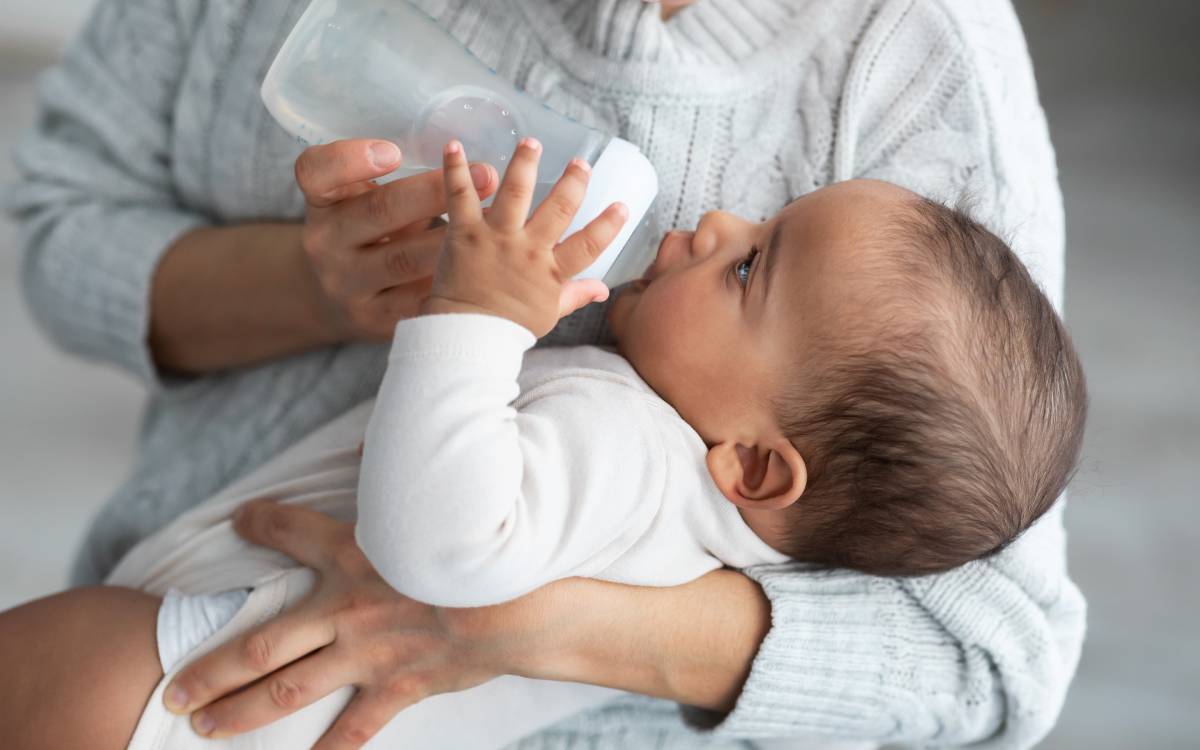
Welcoming a new baby into your life brings a myriad of decisions, not least among them how to best nourish your infant in their crucial early stages of life. The debate between breastfeeding and bottle feeding is one that many parents encounter, and it’s important to understand that both options offer excellent nutritional benefits for your baby. As an OB/GYN practice, we’re here to guide you through these options, ensuring you have the information needed to make the best choice for you and your baby.
Breastfeeding: Natural and Nutritious
Breastfeeding is widely recommended by healthcare professionals due to its comprehensive nutritional profile and additional health benefits for both mother and baby. Breast milk is perfectly designed to meet the nutritional needs of infants, providing the right balance of fat, sugar, water, and protein necessary for a baby’s development. It is more than just food; it contains vital antibodies that help protect your infant against infections and diseases.
Moreover, breastfeeding promotes a unique bond between mother and baby, facilitated by skin-to-skin contact, which enhances the emotional connection and comfort for the baby. For mothers, breastfeeding can help in faster postpartum recovery, reduce the risk of breast and ovarian cancers, and even delay the return of menstruation.
Bottle Feeding: Flexible and Inclusive
Bottle feeding, whether with formula or expressed breast milk, is a viable and nutritious alternative that provides essential vitamins and minerals for infant development. Today’s infant formulas are scientifically developed to closely mimic mother’s milk, ensuring that babies who are formula-fed still receive the necessary nutrients to grow and thrive.
One of the significant advantages of bottle feeding is the flexibility it offers. It allows other family members to participate in feeding, promoting bonding with the baby and giving the mother a much-needed break. Formula feeding can also be more convenient for parents on the go, as it doesn’t require the mother to be available at all times.
Moreover, bottle feeding can be a necessary choice for many families. Some mothers may experience difficulties with breastfeeding, from latch problems to low milk supply, while others may need to return to work shortly after birth. Formula feeding ensures that every baby can receive nutritious feedings based on their unique circumstances and needs.
Making Your Choice
The decision between breastfeeding and bottle feeding is deeply personal and can be influenced by many factors, including medical, lifestyle, and personal preferences. It’s crucial to have open and supportive discussions with your healthcare provider to understand the best option for your situation. Remember, the goal is to ensure your baby receives the nourishment they need to grow healthy and strong, whether that’s through breast milk, formula, or a combination of both.
Both breastfeeding and bottle feeding are excellent choices for providing nutrition to a growing infant. Each method has its unique benefits and challenges, and what works best depends on the individual circumstances of each family. As your OB/GYN, we are here to support you in making an informed decision that aligns with your personal and family needs, ensuring the health and well-being of both mother and baby.
Further Reading:
Healthline: https://www.healthline.com/health/parenting/breastfeeding-pros-and-cons#takeaway
[/vc_column_text][/vc_column][/vc_row][vc_row css=”.vc_custom_1618658856512{margin-top: 75px !important;}”][vc_column][vc_text_separator title=”Services We Offer:”][vc_column_text]
Laparoscopy | Abnormal Bleeding | Menopause | Minimally Invasive Surgery | Contraception | Pap Smear | Pelvic Pain | Family Planning | STD Testing | Hormone Therapy | Hysterectomy | Infertility | 3D Mammography | Pregnancy & Prenatal Care | Preventive Screening
[/vc_column_text][vc_text_separator title=”Website Navigation:”][vc_column_text]
Home | About | OB Videos | Insurances Accepted | Blog | Providers | Michael Anthony, MD, FACOG | Noemi Maydew, MD, FACOG | Anne Bond Bonpain, MD, FACOG | Elita Wyckoff, MD, FACOG | Gilberto Rodrigo, MD, FACOG | Jennifer Fraley, MD, FACOG | Heather Flowers | Courtney Braswell | Services | Patient Care | Advanced Care Team | Testimonials | Contact Us | Patient Portal
[/vc_column_text][/vc_column][/vc_row]

by OB/GYN | Feb 19, 2024 | Women's Health
[vc_row][vc_column][vc_column_text]
The transition into postmenopause marks a significant phase in a woman’s life, accompanied by physiological changes that can impact health, well-being, and dietary needs. During this period, adjustments in nutritional intake, particularly the balance of proteins, carbohydrates, and fats, play a crucial role in managing weight, preserving muscle mass, maintaining bone density, and reducing the risk of chronic diseases. Understanding the optimal ratio of these macronutrients can help postmenopausal individuals navigate these changes effectively, ensuring a balanced and healthy diet.
The Importance of Protein
Protein is a cornerstone of a nutritious postmenopausal diet. It supports the maintenance of lean muscle mass, which naturally diminishes with age. This decline in muscle mass is associated with a reduction in metabolic rate and can contribute to weight gain. Furthermore, adequate protein intake is essential for bone health, offering protection against osteoporosis, a common concern during postmenopause. Nutrition experts recommend a protein intake of 1.0 to 1.2 grams per kilogram of body weight per day for older adults. This is slightly higher than the recommendations for younger adults and can be met through a variety of sources, including lean meats, dairy products, legumes, and nuts.
The Role of Carbohydrates
Carbohydrates are the body’s primary energy source. However, the quality of carbohydrates consumed is paramount, especially in the postmenopausal phase. Diets rich in whole grains, vegetables, fruits, and legumes provide essential nutrients, including dietary fiber. Fiber plays a critical role in digestive health, helps regulate blood sugar levels, and contributes to satiety, which can aid in weight management. The recommended distribution of total energy intake from carbohydrates is around 45% to 65%, focusing on complex carbohydrates to avoid spikes in blood sugar and to promote overall health.
Healthy Fats for Heart Health
Fats are vital for absorbing fat-soluble vitamins and supporting cell function. During postmenopause, the risk of heart disease increases, making it essential to prioritize healthy fats in the diet. Monounsaturated and polyunsaturated fats, found in olive oil, avocados, nuts, seeds, and fatty fish, are beneficial for cardiovascular health. These fats can help lower bad cholesterol levels and reduce the risk of heart disease. The dietary fat intake should constitute about 20% to 35% of total daily calories, with a focus on reducing saturated and trans fats.
Crafting a Balanced Diet
An optimal dietary ratio for postmenopausal individuals might include approximately 20% to 30% of calories from proteins, 45% to 55% from carbohydrates, and 25% to 35% from fats. However, individual needs can vary based on health status, activity level, and personal goals. It’s important to adjust these ratios to fit one’s specific requirements and to consult with a healthcare provider or a registered dietitian for personalized advice.
Navigating the postmenopausal period with a balanced and nutritious diet is key to managing health challenges and enhancing quality of life. By focusing on a balanced intake of proteins, carbohydrates, and healthy fats, postmenopausal women can support their body’s changing needs, promote overall health, and prevent chronic diseases. Remember, individual dietary needs can vary, making it important to tailor nutrition plans to each person’s unique situation, with guidance from healthcare professionals.
Further Reading:
Healthline: https://www.healthline.com/nutrition/menopause-diet
[/vc_column_text][/vc_column][/vc_row][vc_row css=”.vc_custom_1618658856512{margin-top: 75px !important;}”][vc_column][vc_text_separator title=”Services We Offer:”][vc_column_text]
Laparoscopy | Abnormal Bleeding | Menopause | Minimally Invasive Surgery | Contraception | Pap Smear | Pelvic Pain | Family Planning | STD Testing | Hormone Therapy | Hysterectomy | Infertility | 3D Mammography | Pregnancy & Prenatal Care | Preventive Screening
[/vc_column_text][vc_text_separator title=”Website Navigation:”][vc_column_text]
Home | About | OB Videos | Insurances Accepted | Blog | Providers | Michael Anthony, MD, FACOG | Noemi Maydew, MD, FACOG | Anne Bond Bonpain, MD, FACOG | Elita Wyckoff, MD, FACOG | Gilberto Rodrigo, MD, FACOG | Jennifer Fraley, MD, FACOG | Heather Flowers | Courtney Braswell | Services | Patient Care | Advanced Care Team | Testimonials | Contact Us | Patient Portal
[/vc_column_text][/vc_column][/vc_row]

by OB/GYN | Feb 10, 2024 | Women's Health
[vc_row][vc_column][vc_column_text]
Understanding Spotting Before Your Period: What It Means for Your Health
Spotting before your period can be a perplexing and sometimes worrisome experience for many women. This phenomenon, which manifests as light bleeding outside of your regular menstrual cycle, often raises concerns about underlying health issues. However, it’s essential to recognize that spotting before a period can be caused by a variety of factors, ranging from hormonal fluctuations to more serious health conditions. This article aims to demystify the causes and implications of premenstrual spotting, providing clear, scientifically-backed information that is easily understood by laypeople.
What is Spotting Before a Period?
Spotting before a period is defined as light vaginal bleeding that occurs after your last menstrual cycle has ended but before your next period begins. Unlike a regular period, spotting is usually light, sometimes only noticeable on toilet paper or a light pad. It can vary in color from pink to red or brown, which is an indication of how fresh the blood is. Understanding the distinctions between spotting and a period can help in identifying potential health concerns early on.
Common Causes of Spotting Before a Period
- Hormonal Fluctuations: The most common cause of spotting before a period is hormonal changes in the body. The menstrual cycle is regulated by hormones like estrogen and progesterone. Imbalances in these hormones can lead to irregular shedding of the uterine lining, manifesting as spotting.
- Ovulation: Some women experience light spotting during ovulation, which occurs roughly in the middle of the menstrual cycle. This spotting is typically brief and is caused by the drop in hormone levels right before the ovary releases an egg.
- Contraceptive Use: Hormonal contraceptives such as birth control pills, patches, or intrauterine devices (IUDs) can cause spotting, especially during the first few months of use. This is usually a normal adjustment response of the body to the hormones.
- Stress: Physical or emotional stress can disrupt your hormonal balance, affecting your menstrual cycle and potentially leading to spotting before your period.
- Infections or Health Conditions: Certain health conditions, including sexually transmitted infections (STIs), polycystic ovary syndrome (PCOS), endometriosis, or cervical polyps, can also cause spotting. It’s crucial to consult a healthcare provider if you suspect any of these conditions.
When to Seek Medical Advice
While spotting before a period is often benign, it’s important to pay attention to your body and seek medical advice if you experience:
- Persistent spotting in multiple cycles
- Heavy bleeding that you might confuse with spotting
- Accompanying symptoms like pain, dizziness, or unusual discharge
A healthcare provider can conduct a thorough examination, possibly including pelvic exams, ultrasounds, or blood tests, to determine the cause of the spotting and provide appropriate treatment or reassurance.
Spotting before a period can be a normal part of a woman’s menstrual cycle, often linked to hormonal changes, ovulation, or the use of contraceptives. However, it’s essential to be aware of your body’s signals and consult a healthcare provider if you notice any unusual patterns or symptoms. Understanding the potential causes of premenstrual spotting empowers women to take charge of their reproductive health, ensuring any underlying issues are addressed promptly and effectively. Remember, knowledge about your body’s functioning is a key step toward maintaining overall health and well-being.
Further Reading:
Healthline: https://www.healthline.com/health/womens-health/spotting-before-periods#:~:text=Spotting%20before%20your%20period%20is,polyps%2C%20or%20another%20health%20condition.
Women’s Health Magazine: https://www.womenshealthmag.com/health/a28261648/spotting-before-period/
[/vc_column_text][/vc_column][/vc_row][vc_row css=”.vc_custom_1618658856512{margin-top: 75px !important;}”][vc_column][vc_text_separator title=”Services We Offer:”][vc_column_text]
Laparoscopy | Abnormal Bleeding | Menopause | Minimally Invasive Surgery | Contraception | Pap Smear | Pelvic Pain | Family Planning | STD Testing | Hormone Therapy | Hysterectomy | Infertility | 3D Mammography | Pregnancy & Prenatal Care | Preventive Screening
[/vc_column_text][vc_text_separator title=”Website Navigation:”][vc_column_text]
Home | About | OB Videos | Insurances Accepted | Blog | Providers | Michael Anthony, MD, FACOG | Noemi Maydew, MD, FACOG | Anne Bond Bonpain, MD, FACOG | Elita Wyckoff, MD, FACOG | Gilberto Rodrigo, MD, FACOG | Jennifer Fraley, MD, FACOG | Heather Flowers | Courtney Braswell | Services | Patient Care | Advanced Care Team | Testimonials | Contact Us | Patient Portal
[/vc_column_text][/vc_column][/vc_row]