
When symptoms such as abnormal bleeding, infertility, or unexplained pelvic discomfort arise, identifying the underlying cause is essential to effective treatment. Hysteroscopy is a minimally invasive procedure that allows OB/GYNs to closely examine the inside of the uterus and, in many cases, treat problems at the same time. For many women, hysteroscopy provides answers with less discomfort and faster recovery than traditional surgical approaches.
At Cary OB/GYN, hysteroscopy is an important diagnostic and treatment tool that helps us provide precise, personalized care while minimizing disruption to daily life.
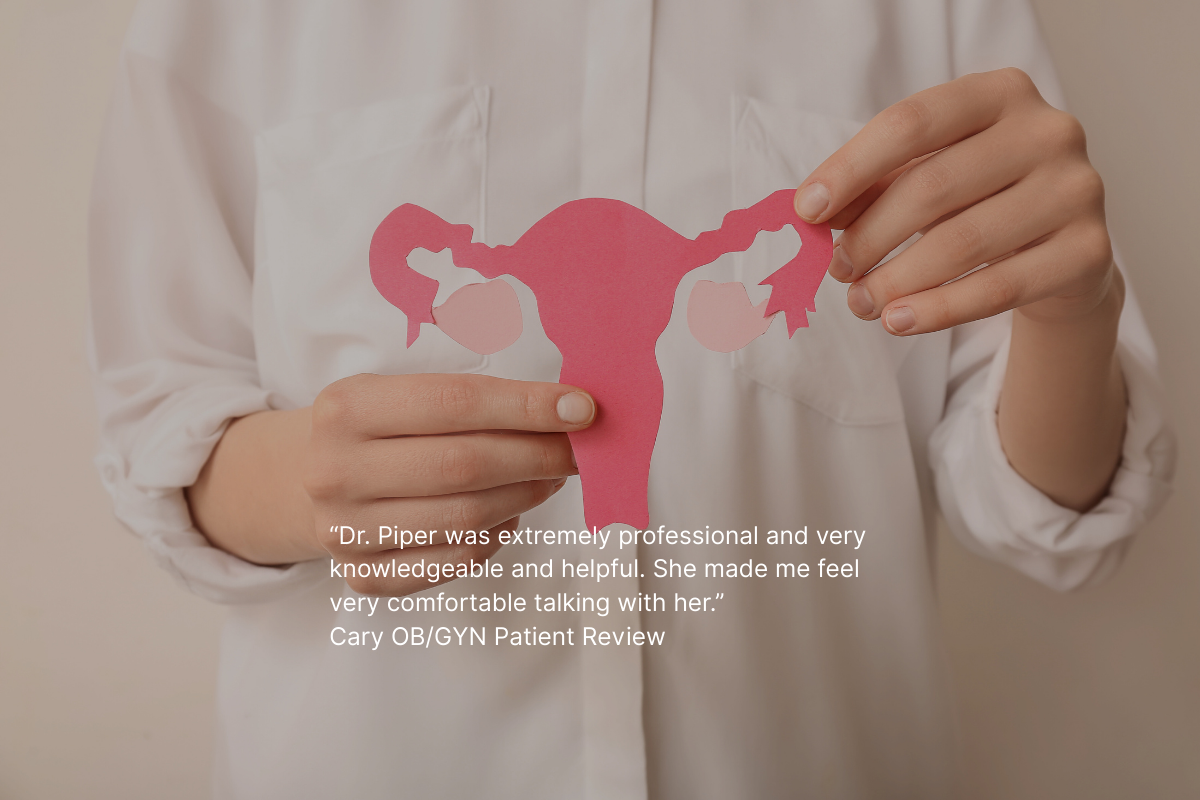
“Dr. Piper was extremely professional and very knowledgeable and helpful. She made me feel very comfortable talking with her.”
Cary OB/GYN Patient Review
What Is Hysteroscopy?
Hysteroscopy is a procedure in which a thin, lighted instrument called a hysteroscope is gently inserted through the vagina and cervix into the uterus. The hysteroscope transmits images to a screen, allowing the provider to view the uterine cavity in real time.
Unlike some other procedures, hysteroscopy does not require any incisions. This makes it a minimally invasive option for evaluating and treating conditions affecting the uterus.
Why Might a Hysteroscopy Be Recommended?
Hysteroscopy may be recommended to diagnose or manage a variety of gynecologic concerns, including:
- Abnormal uterine bleeding, such as heavy or irregular periods
- Postmenopausal bleeding
- Uterine polyps
- Submucosal fibroids (fibroids that grow into the uterine cavity)
- Infertility or recurrent pregnancy loss
- Congenital uterine abnormalities
- Retained pregnancy tissue
- Intrauterine adhesions (scar tissue)
By allowing direct visualization of the uterine lining, hysteroscopy provides more detailed information than imaging alone in many cases.
Diagnostic vs. Operative Hysteroscopy
There are two primary types of hysteroscopy:
Diagnostic Hysteroscopy
This type is used to examine the uterus and identify abnormalities. It may be performed to investigate symptoms or clarify findings from ultrasound or other imaging tests.
Operative Hysteroscopy
If a problem is identified, operative hysteroscopy allows the provider to treat it during the same procedure. Specialized instruments can be passed through the hysteroscope to remove polyps, fibroids, or scar tissue.
Combining diagnosis and treatment in one procedure often reduces the need for additional surgeries.
What to Expect Before the Procedure
Preparation for hysteroscopy depends on the reason for the procedure and whether it is diagnostic or operative. Your provider may:
- Review your medical history and symptoms
- Perform a pelvic exam
- Order imaging studies or lab tests
- Discuss anesthesia options, which may range from local anesthesia to sedation
In some cases, hysteroscopy can be performed in the office. Other times, it may be scheduled in a surgical setting for patient comfort or safety.
What Happens During Hysteroscopy?
During the procedure:
- The cervix may be gently dilated if needed
- The hysteroscope is inserted through the vagina and cervix into the uterus
- A sterile fluid is introduced to expand the uterine cavity for better visibility
- The provider examines the uterine lining and openings of the fallopian tubes
- If operative hysteroscopy is planned, treatment is performed at this time
The procedure length varies but often takes less than 30 minutes.
Recovery After Hysteroscopy
Recovery is typically quick, especially for diagnostic hysteroscopy. Many patients experience:
- Mild cramping
- Light spotting
- Temporary bloating or discomfort
Most women can return to normal activities within a day or two. Your provider will give specific post-procedure instructions, including guidance on activity level, sexual activity, and follow-up care.
Benefits of Hysteroscopy
Hysteroscopy offers several advantages compared to more invasive surgical approaches:
- No incisions
- Shorter recovery time
- Reduced pain and scarring
- Direct visualization of the uterine cavity
- Ability to diagnose and treat conditions in one procedure
These benefits make hysteroscopy a preferred option for many uterine concerns.
Risks and Considerations
Hysteroscopy is generally safe, but as with any medical procedure, there are potential risks. These may include:
- Infection
- Bleeding
- Uterine perforation (rare)
- Fluid overload (rare)
Your OB/GYN will review these risks with you and determine whether hysteroscopy is appropriate based on your individual health profile.
Hysteroscopy and Fertility
For women experiencing infertility or recurrent pregnancy loss, hysteroscopy can play a critical role in identifying uterine factors that may interfere with implantation or pregnancy maintenance. Treating conditions such as polyps, fibroids, or adhesions can improve the chances of successful conception for some patients.
Your provider can discuss whether hysteroscopy may be beneficial as part of a fertility evaluation.
How Hysteroscopy Fits into Comprehensive Care
Hysteroscopy is often used alongside other diagnostic tools, such as ultrasound, endometrial biopsy, or hormone testing. At Cary OB/GYN, we take a comprehensive approach to women’s health, using the most appropriate tools to achieve accurate diagnosis and effective treatment.
Each care plan is tailored to the patient’s symptoms, goals, and overall health.
When to Talk to Your OB/GYN
You may want to discuss hysteroscopy with your OB/GYN if you experience:
- Persistent or unexplained abnormal bleeding
- Difficulty becoming or staying pregnant
- Abnormal ultrasound findings
- Postmenopausal bleeding
- Pelvic pain linked to uterine abnormalities
Early evaluation can help prevent symptoms from worsening and support timely treatment.
Compassionate, Personalized Care at Cary OB/GYN
Facing gynecologic procedures can feel overwhelming, but understanding your options can help ease anxiety. At Cary OB/GYN, our team prioritizes patient education, comfort, and shared decision-making. We take the time to explain procedures like hysteroscopy, answer questions, and ensure patients feel confident in their care.
“The doctor is always very professional and did the procedure quickly and efficiently.”
Cary OB/GYN Patient Review
Schedule a Consultation
If you have symptoms that may benefit from hysteroscopy or would like to learn more about this procedure, the providers at Cary OB/GYN are here to help. A consultation can determine whether hysteroscopy is the right next step for your care.