by OB/GYN | Jun 14, 2021 | OB/GYN News
[vc_row][vc_column][vc_column_text]Topic: Hypertension Symptoms Often Mistaken for Menopause in Middle-Aged Women
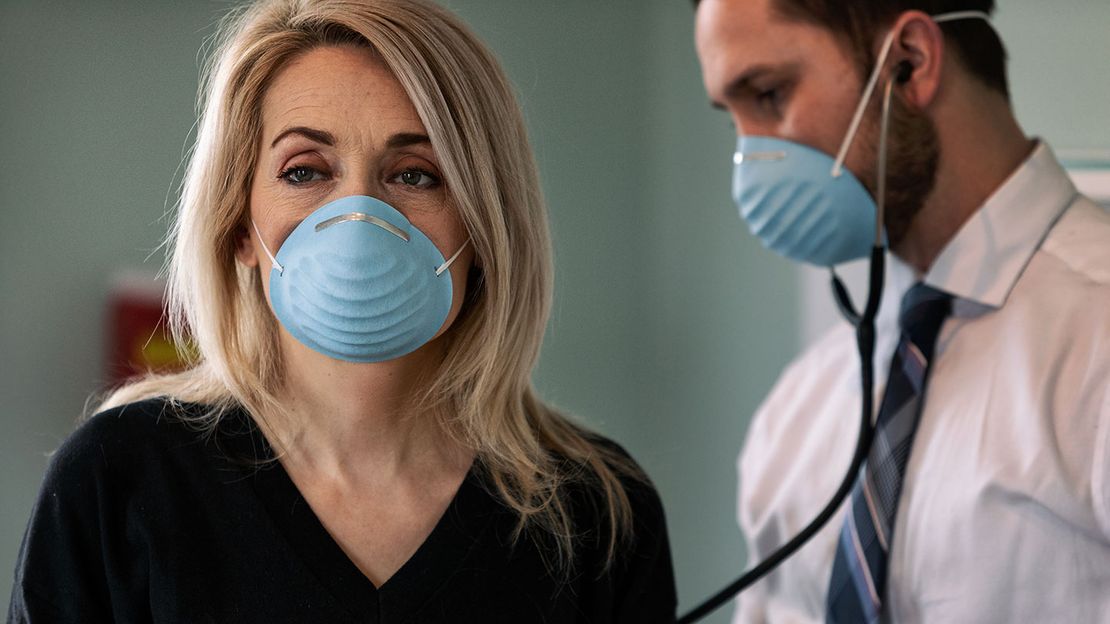
One in 2 women may develop hypertension, or high blood pressure, before age 60. But a group of European doctors warn that many of these women may miss out on needed treatment to help prevent events like heart attacks and strokes because their hypertension symptoms are chalked up to menopause.
New research shows that many middle-aged women may be living with undiagnosed hypertension because symptoms of the condition — including chest pain, exhaustion, headaches, heart palpitations, and sleep disturbances — are mistakenly attributed to menopause.
Missed hypertension cases are part of a broader problem of overlooked cardiovascular disease among middle-aged women, according to a paper by a group of cardiologists, gynecologists, and endocrinologists published in January 2021 in the European Heart Journal. Too often, these women have undiagnosed hypertension and other risk factors for cardiovascular disease because their doctors focus on signs common in men that aren’t as typical for women, the paper argues.
“The main reason for this confusion is that the pattern of aging of the coronary arteries is different among women and men, and this starts around menopause,” says Angela Maas, MD, PhD, lead author of the paper and a professor in women’s cardiac health at Radboud University Medical Center in Nijmegen, Netherlands.
Stenosis, or narrowing of the large arteries, typically doesn’t develop in women until about a decade later than in men, and is unlikely to be present in women in their forties and fifties who are going through menopause, Dr. Maas says.
When cardiologists look for stenosis in middle-aged women and don’t find it, they may be too quick to conclude that women are experiencing symptoms of menopause — and not symptoms of hypertension or other risk factors for cardiovascular disease, Maas says.
The first signs of cardiac symptoms in middle-aged women tend to start around the same time as menopause and can include coronary spasms — a sudden, rapid narrowing of a blood vessel that can block blood flowing to the heart — and what’s known as microvascular disease, or damage to small arteries in the heart, Mass notes.
Topic Discussed: Hypertension Symptoms Often Mistaken for Menopause in Middle-Aged Women
Read More[/vc_column_text][/vc_column][/vc_row][vc_row css=”.vc_custom_1618658856512{margin-top: 75px !important;}”][vc_column][vc_column_text]
About | OB Videos | Insurances Accepted | Blog | Providers | Michael Anthony, MD, FACOG | Noemi Maydew, MD, FACOG | Anne Bond Bonpain, MD, FACOG | Elita Wyckoff, MD, FACOG | Gilberto Rodrigo, MD, FACOG | Jennifer Fraley, MD, FACOG | Heather Flowers | Courtney Braswell | Services | Patient Care | Advanced Care Team | Testimonials | Contact Us | Patient Portal
[/vc_column_text][/vc_column][/vc_row]

by OB/GYN | Jun 9, 2021 | OB/GYN News
[vc_row][vc_column][vc_column_text]Topic: Chiropractic Care During Pregnancy
For several months, a pregnant Portland, Oregon-based woman in her early 30s suffered from debilitating pain in her pubic bone area.
She had trouble walking. Taking the stairs was agonizing. The woman even had a hard time standing on one leg long enough to pull on a pair of pants, recalls Jennifer Brocker, a board-certified pediatric chiropractor based in Portland, Oregon.
A midwife thought chiropractic treatment might help the woman, who was about seven months pregnant. The cartilage that holds the pubic bones together (forming a joint) had softened during pregnancy. This allowed the joint to get stuck, which caused her pain. The midwife referred the woman to Brocker, who treated her three times over two weeks, providing simple adjustments as she would with most patients.
It worked. “The pain was totally resolved,” says Brocker, who’s president of the American Chiropractic Association’s pediatrics council.
Before getting chiropractic treatment, the woman believed that severe pain was simply part of being pregnant, Brocker says. “She was going on the assumption that pain is normal in pregnancy, and that’s just the way it is,” Brocker says. “It’s not the way it is. There’s a lot we (chiropractors) can do to help with discomfort during pregnancy and make pregnancy enjoyable and comfortable.” Brocker says she often tells patients, “Just because it’s common, doesn’t mean it’s normal. Pregnancy shouldn’t be painful.”
For the many pregnant women who experience back pain and other types of discomfort, chiropractic treatment is a safe and often effective option, says Dr. Carrie Ann Terrell, associate professor, Department of Obstetrics, Gynecology and Women’s Health at the University of Minnesota Medical School in Minneapolis.
There’s no research to suggest chiropractic care presents health risks to a pregnant woman or her fetus. “We generally support the use of many complementary therapies, including chiropractic care,” Terrell says. “We do not know of any demonstrated risks.”
Terrell says she often recommends chiropractic treatment for pregnant women who struggle with musculoskeletal pain – like lower back discomfort – that they haven’t been able to manage themselves by such approaches as stretching or wearing a pregnancy support belt.
Topic Discussed: Chiropractic Care During Pregnancy
Read More[/vc_column_text][/vc_column][/vc_row][vc_row css=”.vc_custom_1618658856512{margin-top: 75px !important;}”][vc_column][vc_column_text]
About | OB Videos | Insurances Accepted | Blog | Providers | Michael Anthony, MD, FACOG | Noemi Maydew, MD, FACOG | Anne Bond Bonpain, MD, FACOG | Elita Wyckoff, MD, FACOG | Gilberto Rodrigo, MD, FACOG | Jennifer Fraley, MD, FACOG | Heather Flowers | Courtney Braswell | Services | Patient Care | Advanced Care Team | Testimonials | Contact Us | Patient Portal
[/vc_column_text][/vc_column][/vc_row]
by OB/GYN | Jun 7, 2021 | OB/GYN News
[vc_row][vc_column][vc_column_text]Topic: As menopause approaches, some women suffer ‘brain fog’ and memory loss
Pat Lea, 72, a longtime friend who lives in England, began forgetting words midsentence when she was 48, impairing her ability to speak in public and provoking countless embarrassing moments. Lea, then a housing benefits manager in a London borough, tried making light of it, then began writing her notes in advance, but things only became worse.
“It seemed innocuous at first, but became more intense,” she says.
One day, while delivering a presentation about new government legislation to an audience of about four dozen, someone asked her a question — and her mind went blank.
“It was as if a fog had descended into my brain,” she says.
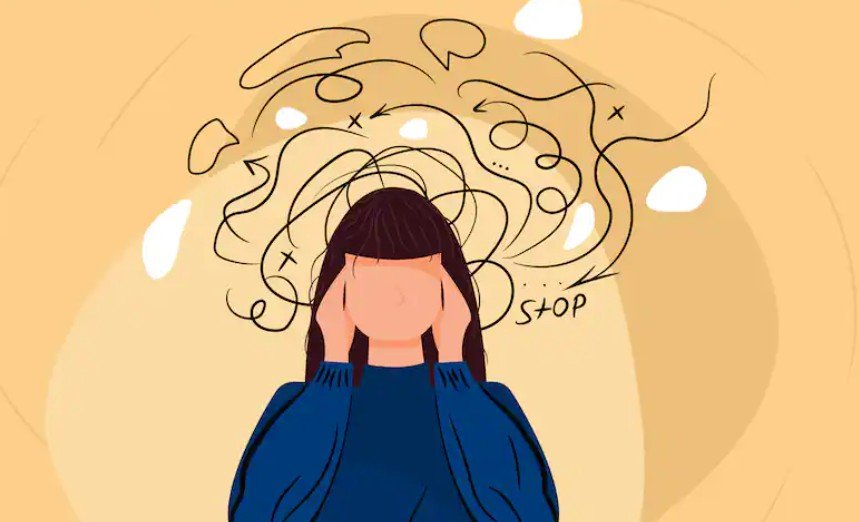
She attributes her “brain fog” and memory lapses during that time to perimenopause, the stage before menopause when hormones fluctuate and periods become irregular. And she is not alone. Women often report these and other symptoms — depression and inability to focus, for example — as menopause approaches.
“I have patients complaining all the time about their brain function,” says Cindy Parnes, a gynecologist and founder of the New Jersey Women’s Wellness Center in Montvale. “They are worried. But I tell them there are many Hallmark cards about [midlife forgetfulness], and if Hallmark is making cards, it’s because a lot of people can relate to it.”
The Department of Health and Human Services’ Office on Women’s Health says up to two-thirds of women in perimenopause report cognitive problems, although estimates as to the extent of affected women differ among experts. It’s also still unclear what causes these deficits — hormones or other factors — and whether they continue postmenopause.
With all the uncertainties, however, scientists don’t doubt these problems exist, and can be disruptive.
“Growing evidence says this is real,” says Miriam Weber, associate professor of neurology and obstetrics and gynecology at the University of Rochester, whose research suggests that symptoms typically begin during perimenopause.
“Multiple studies have shown declines in memory and attention,” Weber says. “What we don’t know is whether it persists. So far it seems like it may be temporary, just through the transition” from perimenopause through menopause.
One recent study of low-income women of color, some of them HIV infected, suggests that cognitive declines may linger into postmenopause for some, although demographics also may influence this, says Stephanie Faubion, medical director of the North American Menopause Society (NAMS), which published the research in its journal, Menopause.
Topic Discussed: As menopause approaches, some women suffer ‘brain fog’ and memory loss
Read More[/vc_column_text][/vc_column][/vc_row][vc_row css=”.vc_custom_1618658856512{margin-top: 75px !important;}”][vc_column][vc_column_text]
About | OB Videos | Insurances Accepted | Blog | Providers | Michael Anthony, MD, FACOG | Noemi Maydew, MD, FACOG | Anne Bond Bonpain, MD, FACOG | Elita Wyckoff, MD, FACOG | Gilberto Rodrigo, MD, FACOG | Jennifer Fraley, MD, FACOG | Heather Flowers | Courtney Braswell | Services | Patient Care | Advanced Care Team | Testimonials | Contact Us | Patient Portal
[/vc_column_text][/vc_column][/vc_row]

by OB/GYN | Jun 5, 2021 | OB/GYN News
[vc_row][vc_column][vc_column_text]Topic: Expert approved tips to lose weight post pregnancy
It is a difficult task for some mothers to achieve a healthy weight post-pregnancy. It can even be stressful while taking care of a newborn baby, recovering from childbirth, adjusting to a new routine and fulfilling the mom roles. However, it is extremely important to return to a healthy after pregnancy, especially when you and your partner have plans to get pregnant again in future. If that extra baby weight doesn’t take off timely, then it can stick with you for a very long time.
The consequences of keeping the extra baby weight after the pregnancy may include the following:
- Risk of being overweight
- Increased risk of complications during next pregnancy
- Risks of diabetes and heart disease
- High risks for women with gestational diabetes
Hence, it is very important to shed the post-pregnancy weight timely. Following are some tips to lose weight post-pregnancy:
Follow a healthy diet
To shed weight effectively and permanently, stick to a healthy diet routine. Keep your goals realistic. Eat foods that are high in fibre, include healthy proteins like nuts, seeds, eggs and legumes in your diet and keep healthy snacks, like dry fruits, Greek yoghurt and mixed nuts, handy. Also, avoid added sugar and refined carbs as they are high in calories and low in nutrients.
Monitor calorie intake
Monitoring your calorie intake can help you understand your food, what you should include and what you should not. It will also help you to work out how much you are eating and where the problems can be in your routine. Counting calories can actually help you to successfully reduce your portion size and improve your choice of healthy foods that will help you lose weight.
Topic Discussed: Expert approved tips to lose weight post pregnancy
Read More[/vc_column_text][/vc_column][/vc_row][vc_row css=”.vc_custom_1618658856512{margin-top: 75px !important;}”][vc_column][vc_column_text]
About | OB Videos | Insurances Accepted | Blog | Providers | Michael Anthony, MD, FACOG | Noemi Maydew, MD, FACOG | Anne Bond Bonpain, MD, FACOG | Elita Wyckoff, MD, FACOG | Gilberto Rodrigo, MD, FACOG | Jennifer Fraley, MD, FACOG | Heather Flowers | Courtney Braswell | Services | Patient Care | Advanced Care Team | Testimonials | Contact Us | Patient Portal
[/vc_column_text][/vc_column][/vc_row]

by OB/GYN | Jun 3, 2021 | OB/GYN News
[vc_row][vc_column][vc_column_text]Topic: Tips to Help Make Women’s Health a Priority
Springtime is a season of renewal, with this year’s transition bringing added significance as many states continue reopening amid the COVID-19 pandemic.
As more people become vaccinated and some families start to gather in person again, it may be an ideal time to think about ways to help improve the health of women in Washington and honor the important role they play in their families’ well-being. Promoting the health of women should continue to be a priority for our country, especially because some mothers may now be coping with more stress while managing additional work and family responsibilities.
In fact, recent research concludes that COVID-19 has affected maternal health in multiple ways, including reducing access to prenatal visits, increasing the frequency of depression and anxiety, and challenges related to child care. To recognize National Women’s Health Week (May 9-15), here are three tips to consider to help support the health of women, including expectant and new mothers:
Consider Vaccine Options. Some pregnant or lactating women may be concerned about the safety of COVID-19 vaccines currently authorized for emergency use. Importantly, the Centers for Disease Control and Prevention (CDC) now recommends that pregnant people receive the COVID-10 vaccine, in part because they are at elevated risk for severe illness from this disease. Other research indicates that vaccinated mothers may pass along to their babies antibodies against COVID-19 through breast milk, potentially offering protection to infants. To help find vaccine locations in your area and address potential concerns, talk with your primary care physician, check local pharmacies or review publicly available websites.
Take Advantage of Technology. While some people may have postponed routine medical appointments due to risk of exposure to COVID-19, it is important women stay connected to their health care providers, especially for recommended prenatal and well-baby appointments, routine care and the management of chronic conditions. If possible, check for available virtual care resources to connect with local or national health care professionals, including through some health plans that enable 24/7 access to medical advice via a smartphone or computer.
Topic Discussed: Tips to Help Make Women’s Health a Priority
Read More[/vc_column_text][/vc_column][/vc_row][vc_row css=”.vc_custom_1618658856512{margin-top: 75px !important;}”][vc_column][vc_column_text]
About | OB Videos | Insurances Accepted | Blog | Providers | Michael Anthony, MD, FACOG | Noemi Maydew, MD, FACOG | Anne Bond Bonpain, MD, FACOG | Elita Wyckoff, MD, FACOG | Gilberto Rodrigo, MD, FACOG | Jennifer Fraley, MD, FACOG | Heather Flowers | Courtney Braswell | Services | Patient Care | Advanced Care Team | Testimonials | Contact Us | Patient Portal
[/vc_column_text][/vc_column][/vc_row]

by OB/GYN | Jun 2, 2021 | OB/GYN News
[vc_row][vc_column][vc_column_text]Topic: From menopause to anxiety: the new tech tackling women’s health problems
Apps tracking hormones and a gadget combatting hot flushes are some of the latest innovations in the femtech market, which is predicted to be worth $60bn by 2027.
When lifelong worrier Louise Stevenson asked her husband whether her anxiety was damaging, his answer stopped her in her tracks. “He said it had a negative impact on absolutely everything.” It was the prompt she needed to seek help.
Diagnosed with generalised anxiety disorder, she searched for tech-based tools to complement her therapy. “But I couldn’t find an app that offered what I wanted,” she says. “I was literally scribbling down my worries on backs of envelopes.” So the 41-year-old mum from Herefordshire ditched her job in financial services, created Worry Tree – one of 15 approved mental health tools in the NHS app library – and entered the flourishing femtech sector.
The app, which helps users notice and challenge their worries, is available to anyone, but 75% of her users are women. It turns out they’re twice as likely as men to experience anxiety. Stevenson has now won a place on a new dedicated accelerator, the London-based Femtech Lab, billed as the first in Europe to focus on this sector.
The term femtech, referring to products addressing health or wellbeing issues experienced by women, was coined about five years ago, however “we’ve barely scratched the surface”, according to Pauliina Martikainen, investment director at the venture capitalists Maki.vc. For example, it’s estimated that 1.2 billion women worldwide will be menopausal or postmenopausal by 2030 and almost no one is happy with the care on offer, she says, “creating a massive opportunity to provide better products and services. It has so much potential.”
So what’s new, or on the horizon? For menopausal women, there is a range of tech to assess and treat symptoms – from a bracelet (currently in development) that sends cooling sensations to the wrist to combat flushes, to digital services such as UK companies Stella (an app launching this summer) and Alva which offer consultations, specialist advice, even a virtual menopause coach, and doorstep delivery of treatments. “Companies that manage to build feedback loops can tap into valuable data that can be used in research and to create and validate new treatments,” says Martikainen.
Funding for the sector has soared around the world, she says, rising 171% in the three years to 2019 to reach just under £1bn (£949m/€1.1bn), with particularly strong growth in the UK, where many startups are bidding for their first slice of cash.
Topic Discussed: From menopause to anxiety: the new tech tackling women’s health problems
Read More[/vc_column_text][/vc_column][/vc_row][vc_row css=”.vc_custom_1618658856512{margin-top: 75px !important;}”][vc_column][vc_column_text]
About | OB Videos | Insurances Accepted | Blog | Providers | Michael Anthony, MD, FACOG | Noemi Maydew, MD, FACOG | Anne Bond Bonpain, MD, FACOG | Elita Wyckoff, MD, FACOG | Gilberto Rodrigo, MD, FACOG | Jennifer Fraley, MD, FACOG | Heather Flowers | Courtney Braswell | Services | Patient Care | Advanced Care Team | Testimonials | Contact Us | Patient Portal
[/vc_column_text][/vc_column][/vc_row]