by OB/GYN | Sep 8, 2021 | OB/GYN News
[vc_row][vc_column][vc_column_text]Topic: Improve your chances of getting pregnant
Improving your chances of getting pregnant starts with when you decide to try to have a child. You’re excited and ready to begin this part of your life.
Planning for your health and that of a baby begins right away.
“Assure yourself that if it’s meant to be, it will happen,” said Crista L. Hays, M.D., an obstetrician and gynecologist with Norton Women’s Health in Shelbyville and St. Matthews. “There are steps you can take to maximize your fertility and even improve it: Stop smoking, limit alcohol, reduce caffeine, don’t over-do the exercise routine, work toward a healthy weight which may require weight loss, optimize any chronic medical conditions like diabetes and avoid exposure to toxins like pesticides, lead and dry-cleaning solvents.”
Being overweight or underweight can affect ovulation, as can sleep disruptions from working at night. Maintain a healthy weight and make it a point to get enough sleep.
Start with a visit to your OB/GYN
Talk to your women’s health provider about your pregnancy plans. Your provider will check for conditions such as diabetes, depression, high blood pressure, obesity and other conditions that could complicate a pregnancy.
Your provider may suggest prenatal vitamins that include folic acid, which can help prevent some birth defects.
Discuss the family health history of both parents. Your provider may suggest genetic counseling to provide more information as you plan. Norton Children’s Maternal-Fetal Medicine offers preconception counseling at several locations across Kentucky.
Keep track of your menstrual cycles
Start this as soon as you can to collect as much data as possible. By logging your cycle, you’ll get a clearer picture of your unique patterns such as cycle length. Many women’s cycles vary, and 28 days is simply what’s typical.
Many apps are available to log menstrual cycles. The NortonBaby app offers a full range of pregnancy planning tools while keeping your health information private. Download from the Apple App Store or Google Play Store.
Find your fertile days
Knowing your cycle helps plan for ovulation, but there are some clearer signs that your body is ready to release eggs for fertilization.
Vaginal discharge is a good indicator of ovulation. If your discharge resembles raw egg whites — slippery and stretchy — your body is ready to get pregnant. Dry or sticky discharge is a sign you aren’t ovulating, creamy discharge suggests ovulation may be coming, then wet and watery discharge is a sign that ovulation is very close.
Your basal body temperature — taken while at complete rest at about the same time every day — can signal ovulation. Progesterone, a hormone tied to ovulation, will cause your temperature to rise.
Ovulation test strips or ovulation predictor kits can detect ovulation my measuring luteinizing hormone in your urine. An increase in the hormone signals that ovulation could occur in the next 12 to 36 hours.
You use an ovulation predictor kit at home by holding the strip under your urine stream or dipping it in a urine sample. Results are visible on the strip within minutes.
None of these methods will be able to pinpoint ovulation with certainty.
Now it’s about timing
Sperm can last in the uterus and fallopian tubes for a few days. Once an egg is released, it lasts 12 to 24 hours and perhaps up to 48 hours. The typical “fertile window” is about five days.
Use this timing to your advantage by having sex one or two days before ovulation.
Conception chances start rising seven days after your last menstrual period and reach the highest probability 15 days after your period, according to a study.
There are many myths around ways to improve chances of conception: moon phases, hormones out of balance and one of the most common — that a woman needs to lie flat after sex or even elevate her hips to prevent sperm from succumbing to gravity. Any sperm that are going to fertilize an egg are in position almost immediately.
Topic Discussed: Improve your chances of getting pregnant
Read More[/vc_column_text][/vc_column][/vc_row][vc_row css=”.vc_custom_1618658856512{margin-top: 75px !important;}”][vc_column][vc_text_separator title=”Services We Offer:”][vc_column_text]
Laparoscopy | Abnormal Bleeding | Menopause | Minimally Invasive Surgery | Contraception | Pap Smear | Pelvic Pain | Family Planning | STD Testing | Hormone Therapy | Hysterectomy | Infertility | 3D Mammography | Pregnancy & Prenatal Care | Preventive Screening
[/vc_column_text][vc_text_separator title=”Website Navigation:”][vc_column_text]
Home | About | OB Videos | Insurances Accepted | Blog | Providers | Michael Anthony, MD, FACOG | Noemi Maydew, MD, FACOG | Anne Bond Bonpain, MD, FACOG | Elita Wyckoff, MD, FACOG | Gilberto Rodrigo, MD, FACOG | Jennifer Fraley, MD, FACOG | Heather Flowers | Courtney Braswell | Services | Patient Care | Advanced Care Team | Testimonials | Contact Us | Patient Portal
[/vc_column_text][/vc_column][/vc_row]

by OB/GYN | Sep 6, 2021 | OB/GYN News
[vc_row][vc_column][vc_column_text]Topic: Can a ‘Fertility Diet’ Actually Improve Your Chances of Getting Pregnant?
As infertility rates rise, it’s becoming more common to eat for fertility. Experts weigh in on the effectiveness of these sometimes extreme regimens.
When you’re trying to get pregnant, any number of lifestyle factors can impact your chances: smoking status, exercise habits, sleep, stress, and importantly, diet.
But these factors weren’t always such a big part of the equation when it came to “trying.”
“In the last 10 years, there has been a bigger focus on the importance of diet and lifestyle in relationship to fertility,” notes Alissia Zenhausern, a licensed naturopathic medical doctor. That’s mainly because doctors and researchers weren’t convinced by the amount of evidence available for diet’s impact on fertility.
But recently, the evidence has grown stronger: “To many researchers’ surprise, diet has not only improved general wellness but specifically improved fertility and even improved the success rates of medically-assisted fertility treatments, like IVF,” Dr. Zenhausern says. “This has been a game-changer for both couples wanting to start a family as well as fertility doctors.”
But it’s not just those seeking fertility treatments who are interested in changing the way they eat in order to get pregnant. Dr. Zenhausern says that in the last few years, she’s seen an increase in women coming to her office for preconception counseling, a service that helps them understand and work on any issues they might be having around hormonal imbalances, nutrient deficiencies, diet, and lifestyle before they start trying to get pregnant.
That was exactly what Britt Duffy Adkins, 29, was looking for when she visited a naturopathic doctor in addition to her ob-gyn before trying to conceive. Adkins had a miscarriage previously, and wanted to do everything in her power to improve her chances of having a healthy pregnancy. “I did a three-month prep period before conceiving. The diet was no sugar, grain-free, high-fat, and no caffeine, plus I took herbal supplements,” she says.
Topic Discussed: Can a ‘Fertility Diet’ Actually Improve Your Chances of Getting Pregnant?
Read More[/vc_column_text][/vc_column][/vc_row]

by OB/GYN | Sep 3, 2021 | OB/GYN News
[vc_row][vc_column][vc_column_text]Topic: What Are Different STD Symptoms?
Whether you are a man or a woman, it is important to know that STD symptoms may be different for both genders. Being sexually active comes with a lot of benefits for the human body. But if you are not practicing safe sex and sleeping with multiple partners, you may be putting yourself at risk. In fact, according to the CDC, one in five people are known to have STDs.
So, are you someone who believes you have STD symptoms? Perhaps, it’s just a bacterial infection that resembles signs of an STD. Whatever it may be, you need to be sure and get yourself tested instead of waiting for the signs to appear or disappear.
STD symptoms in men
If you are a man, some of the most common signs you will develop are swollen testicles, pain while urinating or having sex, bleeding or cloudy discharge from your penis, rashes or bumps around your testicles, penis, mouth, thighs, or anus.
These symptoms will also vary according to the STD you happen to contract. Let’s take a look at some of the most common STDs and their symptoms in men.
Gonorrhea
When you have gonorrhea, you are looking at sores around your throat, anus, or urethra. Common signs include discharge that’s yellow or white in color from the penis or painful urination. Other signs are rashes, pain in joints, and swollen testicles.
Syphilis
The symptoms of syphilis come in four stages. During the primary stage, the signs are swollen lymph nodes and sores around the anus, penis, or lips. The secondary stage will consist of symptoms like headache, sore throat, tiredness, and rashes all over the body, including the soles or palms. The third stage, also known as the latent stage, is the stage where the secondary stage symptoms disappear, and the STD is left untreated. Once it enters the fourth stage, that’s when the symptoms become severe. However, this tertiary stage is rare, and only a few people enter this phase. Some of the signs of this stage are damage to joints, heart, brain, nervous system, or other body parts.
Chlamydia
Chlamydia is another infection that is very common among men. With usually no symptoms upon transmission, it may take weeks for the first signs to appear. These are swollen testicles, painful urination, or penile discharge. In cases where the transmission of the infection is through the rectum, the signs include bleeding, discharge, or rectal pain.
Topic Discussed: What Are Different STD Symptoms?
Read More[/vc_column_text][/vc_column][/vc_row][vc_row css=”.vc_custom_1618658856512{margin-top: 75px !important;}”][vc_column][vc_text_separator title=”Services We Offer:”][vc_column_text]
Laparoscopy | Abnormal Bleeding | Menopause | Minimally Invasive Surgery | Contraception | Pap Smear | Pelvic Pain | Family Planning | STD Testing | Hormone Therapy | Hysterectomy | Infertility | 3D Mammography | Pregnancy & Prenatal Care | Preventive Screening
[/vc_column_text][vc_text_separator title=”Website Navigation:”][vc_column_text]
Home | About | OB Videos | Insurances Accepted | Blog | Providers | Michael Anthony, MD, FACOG | Noemi Maydew, MD, FACOG | Anne Bond Bonpain, MD, FACOG | Elita Wyckoff, MD, FACOG | Gilberto Rodrigo, MD, FACOG | Jennifer Fraley, MD, FACOG | Heather Flowers | Courtney Braswell | Services | Patient Care | Advanced Care Team | Testimonials | Contact Us | Patient Portal
[/vc_column_text][/vc_column][/vc_row]
by OB/GYN | Sep 1, 2021 | OB/GYN News
[vc_row][vc_column][vc_column_text]Topic: A different nonhormonal birth control option
Until recently, people seeking hormone-free birth control have found few options available. The most effective and long-lasting nonhormonal option is the copper intrauterine device (IUD). Barrier methods (condoms, diaphragms, cervical caps, or the sponge) sometimes are paired with spermicide to boost pregnancy prevention rates, or spermicides may be used alone (a less effective choice). Apps and tests to track fertile days bring a high-tech sheen to the so-called rhythm method, but most ob/gyns do not recommend these as a way to prevent pregnancy.
Not until 2020 did the FDA approve a new nonhormonal birth control, Phexxi, which came on the market last fall. Should you try it if you’re looking for a new option?
How does it work?
Phexxi is a contraceptive gel consisting of three active ingredients: lactic acid, citric acid, and potassium bitartrate.
To understand how it works to help prevent pregnancy, let’s go back to the acids and bases of high school chemistry class. The vagina is naturally acidic, with a pH around 4. Semen is basic, with a pH around 7.5.
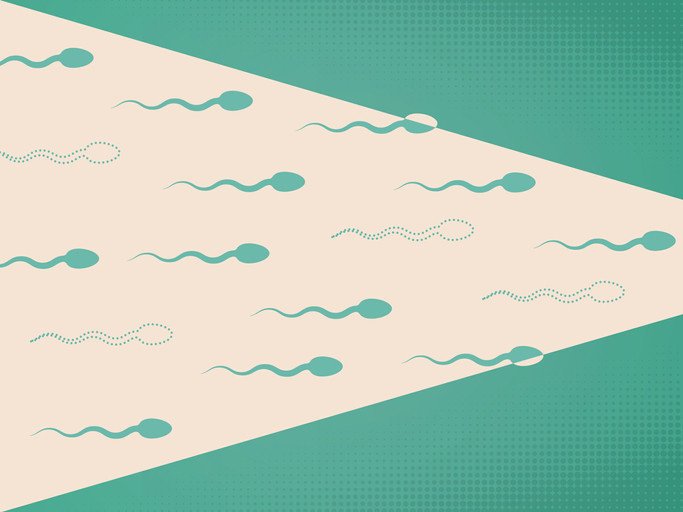
Normally when semen enters the vagina, it temporarily causes the pH to become more basic to ensure the survival of sperm. However, the three ingredients in the gel keep the vagina acidic. This helps immobilize sperm to keep them from swimming up the vaginal canal and through the cervix (the opening to the uterus) to reach and fertilize an egg. The gel also coats the cervix, which may prevent sperm from reaching the uterus.
How do you use it?
You insert the gel into the vagina using a prefilled applicator similar to the size and shape of a tampon. The gel works immediately or lasts for up to an hour, although you must use a separate dose each time you have penis-in-vagina intercourse. So, if you have sex this way twice within an hour, you would use two separate prefilled applicators.
The gel adheres to the vaginal walls and the cervix so that it remains in place.
Is it a spermicide?
No. Spermicides (gel, cream, foam, and more) rely on ingredients that specifically target sperm, immobilizing or killing them. The Phexxi gel uses ingredients that make the environment in the vagina acidic, which immobilizes sperm.
How effective is this type of birth control?
FDA approval for this product is based on a multisite study that enrolled sexually active women ages 18 to 35 (71% identified as white, 24% as Black or African American, and 2.5% as Asian). Women who participated had regular menstrual cycles and a single male partner. They agreed to just use Phexxi for birth control — except for morning-after, emergency birth control, if necessary — and engage in heterosexual intercourse at least three times during each cycle throughout the study.
Results collected over seven cycles show that nearly 14% of 1,183 women who completed the study became pregnant.
Overall, the efficacy rate of Phexxi is 86% for typical use. (Efficacy shows how well a product works during a controlled study; in real-life circumstances, actual effectiveness may be lower.)
Phexxi can be combined with some other forms of birth control to increase the odds of preventing pregnancy. Compared with other nonhormonal birth control methods (note: automatic download) it seems to be more effective at preventing pregnancy than withdrawal; natural family planning; barrier methods such as condoms (if used alone) and diaphragms; and most spermicides (if used alone). However, as a nonhormonal option, the copper intrauterine device is far more effective.
Topic Discussed: A different nonhormonal birth control option
Read More[/vc_column_text][/vc_column][/vc_row][vc_row css=”.vc_custom_1618658856512{margin-top: 75px !important;}”][vc_column][vc_text_separator title=”Services We Offer:”][vc_column_text]
Laparoscopy | Abnormal Bleeding | Menopause | Minimally Invasive Surgery | Contraception | Pap Smear | Pelvic Pain | Family Planning | STD Testing | Hormone Therapy | Hysterectomy | Infertility | 3D Mammography | Pregnancy & Prenatal Care | Preventive Screening
[/vc_column_text][vc_text_separator title=”Website Navigation:”][vc_column_text]
Home | About | OB Videos | Insurances Accepted | Blog | Providers | Michael Anthony, MD, FACOG | Noemi Maydew, MD, FACOG | Anne Bond Bonpain, MD, FACOG | Elita Wyckoff, MD, FACOG | Gilberto Rodrigo, MD, FACOG | Jennifer Fraley, MD, FACOG | Heather Flowers | Courtney Braswell | Services | Patient Care | Advanced Care Team | Testimonials | Contact Us | Patient Portal
[/vc_column_text][/vc_column][/vc_row]
by OB/GYN | Aug 31, 2021 | OB/GYN News
[vc_row][vc_column][vc_column_text]Topic: More Vitamin D Could Lower Colorectal Cancer Risk in Women
In the United States, colorectal cancer is the third leading cause of cancer-related deaths in men and in women. Deaths from colorectal cancer in people younger than 55 have increased by 1% per year from 2008 to 2017.
According to a new study published in the journal Gastroenterology, a diet rich in vitamin D is linked to a near 50% reduced risk of developing colorectal cancer or precancerous colon polyps in young women.
Tamar Samuels, MS, RD, a registered dietitian and the co-founder of Culina Health, tells Verywell that the new study “looked at the relationship between vitamin D status and early-onset colorectal cancer among women enrolled in the Nurses Health II study,” and “found that participants with higher intakes of vitamin D had a lower risk of early-onset colorectal cancer.”
Vitamin D May Reduce Colorectal Cancer Risk
Past research has shown a link between a healthy vitamin D status and a reduced risk of colorectal cancer (CRC). However, data on younger populations is lacking. Additionally, a large amount of the available data highlights the positive relationship between a sufficient vitamin D status, and not necessarily the dietary intake of the nutrient.
Using data from over 90,000 women subjects enrolled in the Nurses’ Health Study II, researchers at the Harvard T.H. Chan School of Public Health and other institutions analyzed the diets, lifestyles, and medical histories of female nurses aged 25 to 42 years old.
The researchers evaluated whether there was an association between total vitamin D intake and risks of early-onset CRC and precursors.
The Results
The results of the study showed that a higher total vitamin D intake was significantly associated with a reduced risk of early-onset CRC—especially when comparing those who took in at least 450 IU compared to those who took in less than 300 IU per day.
Ultimately, taking in at least 300 IU of vitamin D per day resulted in almost a 50% reduced risk of CRC among women aged 50 and younger.
The findings indicated that getting vitamin D from food sources rather than supplements appeared to offer a greater benefit. The study did not find a significant association between the quantity of vitamin D intake and the risk of CRC after the age of 50.
Limitations
“While this study has its limitations, it does give us insight into the role of vitamin D in cancer prevention,” says Samuels. “Specifically, it seems that vitamin D from food sources may be more beneficial to colorectal cancer prevention compared to supplemental vitamin D.”
Some limitations the study possesses that Samuels highlights include:
- It was an observational study, which means a cause and effect relationship cannot be assumed
- It exclusively looked at women and therefore the results cannot be extrapolated to other populations
- The food measured in the study was done via self-reporting, which can be unreliable
Reducing Your CRC Risk Through Diet
Vitamin D is a fat-soluble vitamin that can be synthesized by the human body. When the skin is exposed to sunlight, the body can produce vitamin D naturally.
Topic Discussed: More Vitamin D Could Lower Colorectal Cancer Risk in Women
Read More[/vc_column_text][/vc_column][/vc_row][vc_row css=”.vc_custom_1618658856512{margin-top: 75px !important;}”][vc_column][vc_text_separator title=”Services We Offer:”][vc_column_text]
Laparoscopy | Abnormal Bleeding | Menopause | Minimally Invasive Surgery | Contraception | Pap Smear | Pelvic Pain | Family Planning | STD Testing | Hormone Therapy | Hysterectomy | Infertility | 3D Mammography | Pregnancy & Prenatal Care | Preventive Screening
[/vc_column_text][vc_text_separator title=”Website Navigation:”][vc_column_text]
Home | About | OB Videos | Insurances Accepted | Blog | Providers | Michael Anthony, MD, FACOG | Noemi Maydew, MD, FACOG | Anne Bond Bonpain, MD, FACOG | Elita Wyckoff, MD, FACOG | Gilberto Rodrigo, MD, FACOG | Jennifer Fraley, MD, FACOG | Heather Flowers | Courtney Braswell | Services | Patient Care | Advanced Care Team | Testimonials | Contact Us | Patient Portal
[/vc_column_text][/vc_column][/vc_row]
by OB/GYN | Aug 30, 2021 | OB/GYN News
[vc_row][vc_column][vc_column_text]Topic: Do I Need Postnatal Supplements?
Going from pre- to postpartum mode may be the time to bury those unwanted maternity sweaters, but it may not be the time to throw your prenatal supplements to the back of the medicine cabinet. In the few weeks after birth, your nutrition will fuel the new demands of mama-hood and breastfeeding. One perk is that now, with the decreasing progesterone levels, you may not feel those not-so-fun symptoms like reflux and fish breath that prenatal vitamins caused during pregnancy.
Because your body just spent nearly 10 months using your vitamin and mineral stores for the growing baby that was inside of you, and your body will continue to do that for the duration of breastfeeding, supplements are a good way to guarantee that that extra boost. While I always like getting nutrients from food, chances are your diet is taking a backseat to your new baby and her needs. So, until you are back on your nutrition routine, a supplement is worthwhile.
Here’s three things you need to know about postnatal supplements:
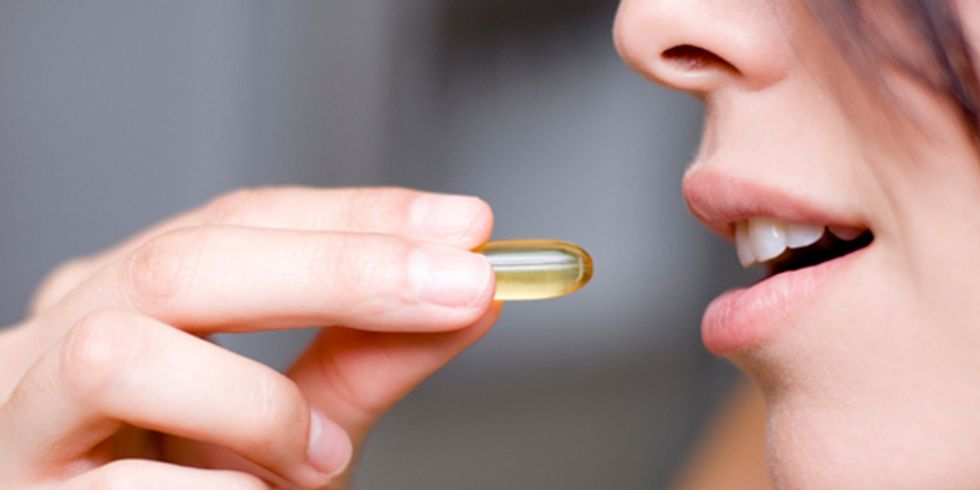
There isn’t a huge difference between prenatal and postnatal supplements. It is perfectly suitable to continue with the supplements that you took during pregnancy. Once the bottle empties, you can re-order the prenatals or switch to a postnatal supplement. Be sure to scan the label and look for calcium, vitamin D, iron, B vitamins and DHA. My top post-partum supplement picks include Nature Made Postnatal Multi + DHA, Mega Food Baby & Me 2 and Nordic Naturals Postnatal Omega 3-s.
Some supplements are more anecdotal than scientific. Often, new moms want to know what they can eat, or take, to feel more energized, increase their milk supply and prevent the dreaded hair loss. Many postnatal supplements add extra biotin and nutrients like Fenugreek and oats, and claim that their products prevent hair loss and boost milk supply. And, there are tons of women who swear by these products. While there may not be anything harmful about these supplements and their claims, there also isn’t much science and evidence to back them.
You can’t fix hormonal changes, but you can try to control them. Most of the post partum hair loss is a result of hormonal changes that nutrition cannot fix. But, iron and biotin can help combat this because getting enough of these nutrients can help hair look healthier, thicker and shinier, and not getting enough can make hair look drier, thinner and more brittle. When it comes to increasing milk supply, the best thing you can do is keep your baby close, and nurse or pump more frequently, as tiresome as that sounds!
Topic Discussed: Do I Need Postnatal Supplements?
Read More[/vc_column_text][/vc_column][/vc_row][vc_row css=”.vc_custom_1618658856512{margin-top: 75px !important;}”][vc_column][vc_column_text]
About | OB Videos | Insurances Accepted | Blog | Providers | Michael Anthony, MD, FACOG | Noemi Maydew, MD, FACOG | Anne Bond Bonpain, MD, FACOG | Elita Wyckoff, MD, FACOG | Gilberto Rodrigo, MD, FACOG | Jennifer Fraley, MD, FACOG | Heather Flowers | Courtney Braswell | Services | Patient Care | Advanced Care Team | Testimonials | Contact Us | Patient Portal
[/vc_column_text][/vc_column][/vc_row]