by OB/GYN | Aug 27, 2021 | OB/GYN News
[vc_row][vc_column][vc_column_text]Topic: Does breast density matter for older women’s risk of cancer?
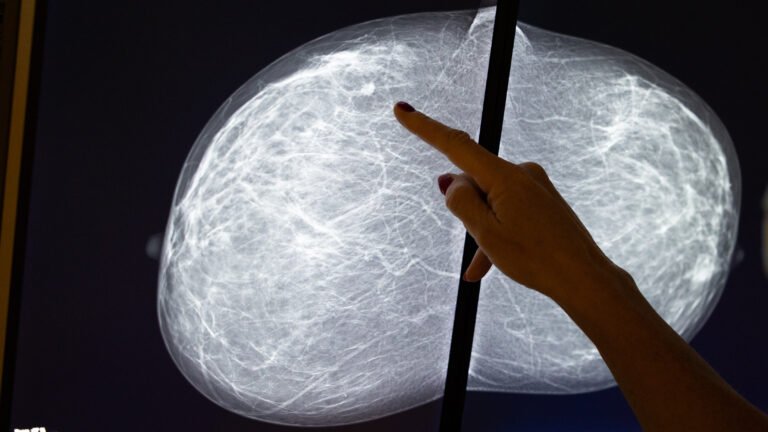
Breast density is a known risk factor for developing breast cancer, but that well-accepted research finding is derived from studies conducted in women under age 75. That makes sense because breast density declines with age, but cancer epidemiologist Dejana Braithwaite of the University of Florida’s Cancer Control and Population Sciences Program wondered about older women: How much does density drop, and how much might it matter?
In an analysis of more than 220,000 mammograms published Thursday in JAMA Oncology, her team reports that density — and the risk of breast cancer — doesn’t disappear.
Braithwaite talked with STAT about that research and her hope to learn more about cancer in older women. This interview has been condensed and lightly edited for clarity.
What were you hoping to learn?
While screening for women up to 75 is generally accepted to be appropriate, what’s less clear is what happens after women reach age 75 and whether screening still makes sense. What we really want to do is generate the evidence to inform personalized screening strategies. For some women it may make sense to continue screening beyond age 75, beyond what’s recommended by the guidelines if they’re in good health and maybe have some risk factors like breast density. But for some women who may have some health issues, they may not benefit from screening.
What’s the connection between breast density and cancer?
One of the really common risk factors for breast cancer is breast density, and that’s a measure of the amount of fibers or glandular tissue — dense tissue —compared with fatty tissue. More density has been associated with increased risk of invasive breast cancer.
And for older women?
Ours is one of the first studies to really look at older women, particularly women aged 75 and older. Even though the prevalence of density decreases with age, about half of women age 40 to 64 have dense breasts, and we found that by the time women get into their 60s and 70s, about 30% to 32% still have dense breasts. And we found that their breast density is associated with increased risk of invasive breast cancer in both age groups of women that we studied: 65 to 74, and 75 and older.
Was that unexpected?
It is surprising that 30% of these women still have dense breasts — that’s maybe a little bit higher than what we expected. After menopause, it goes down, but 30% is still a considerable number. Given the associations we have observed in younger women that density does lead to an increased risk of breast cancer, that finding is not surprising. It’s biologically plausible.
Topic Discussed: Does breast density matter for older women’s risk of cancer?
Read More[/vc_column_text][/vc_column][/vc_row][vc_row css=”.vc_custom_1618658856512{margin-top: 75px !important;}”][vc_column][vc_column_text]
About | OB Videos | Insurances Accepted | Blog | Providers | Michael Anthony, MD, FACOG | Noemi Maydew, MD, FACOG | Anne Bond Bonpain, MD, FACOG | Elita Wyckoff, MD, FACOG | Gilberto Rodrigo, MD, FACOG | Jennifer Fraley, MD, FACOG | Heather Flowers | Courtney Braswell | Services | Patient Care | Advanced Care Team | Testimonials | Contact Us | Patient Portal
[/vc_column_text][/vc_column][/vc_row]

by OB/GYN | Aug 25, 2021 | OB/GYN News
[vc_row][vc_column][vc_column_text]Topic: Yeast Infection, STD, or Something Else
If you suspect that you have a vaginal yeast infection, you’re most likely in a hurry to get rid of it. Yeast infections are uncomfortable, and are usually accompanied by itching, burning, and thick discharge.
Before you run to the pharmacy, though, it’s important to determine if what you’re experiencing is indeed a yeast infection or something else. Other causes of vaginal pain and discomfort include bacterial infections, sexually transmitted diseases (STDs), skin irritation, and more. While the symptoms are similar, the causes and treatments are very different.
What Is a Yeast Infection?
A yeast infection is common, and most women will experience at least one in their lifetimes. A yeast infection occurs when the Candida yeast in the vagina overgrows and leads to an infection. It usually causes burning and itching in the vagina and the surrounding area called the vulva. Vaginal yeast infections are common in girls and women, with about 75% of women experiencing at least one. The infection is rare before puberty and after menopause.
Symptoms of a Yeast Infection
The most common symptoms of a yeast infection include:
- Itching
- Burning
- Thick, white discharge that has a cottage cheese consistency
Other symptoms to keep in mind may include redness and swelling, pain with urination, and pain with sexual intercourse.
Yeast Infection Treatments
Most yeast infections can be treated at home with over-the-counter products. The infection requires an antifungal medication that may come in the form of a cream, ointment, or vaginal suppository.
While yeast infections are usually easy to treat, it’s still helpful to check in with your doctor. Other types of infections can be mistaken for a yeast infection, and it’s estimated that up to two-thirds of women who buy over-the-counter yeast infection treatments do not have a yeast infection. In addition, using an antifungal treatment when you do not have a yeast infection can cause your body to become resistant to the medication. The antifungal may not be effective the next time you need it for a true yeast infection.
Topic Discussed: Yeast Infection, STD, or Something Else
Read More[/vc_column_text][/vc_column][/vc_row][vc_row css=”.vc_custom_1618658856512{margin-top: 75px !important;}”][vc_column][vc_column_text]
About | OB Videos | Insurances Accepted | Blog | Providers | Michael Anthony, MD, FACOG | Noemi Maydew, MD, FACOG | Anne Bond Bonpain, MD, FACOG | Elita Wyckoff, MD, FACOG | Gilberto Rodrigo, MD, FACOG | Jennifer Fraley, MD, FACOG | Heather Flowers | Courtney Braswell | Services | Patient Care | Advanced Care Team | Testimonials | Contact Us | Patient Portal
[/vc_column_text][/vc_column][/vc_row]

by OB/GYN | Aug 23, 2021 | OB/GYN News
[vc_row][vc_column][vc_column_text]Topic: Eating More Plant Foods May Lower Heart Disease Risk In Young Adults, Older Women
Eating a plant-centered diet during young adulthood is associated with a lower risk of heart disease in middle age, according to a long-term study with about 30 years of follow-up. A separate study with about 15 years of follow-up found that eating more plant-based foods that have been shown to lower cholesterol, called the ‘Portfolio Diet’, is associated with lower risk of cardiovascular disease in postmenopausal women.
Eating more nutritious, plant-based foods is heart-healthy at any age, according to two research studies published today in the Journal of the American Heart Association, an open access journal of the American Heart Association.
In two separate studies analyzing different measures of healthy plant food consumption, researchers found that both young adults and postmenopausal women had fewer heart attacks and were less likely to develop cardiovascular disease when they ate more healthy plant foods.
The American Heart Association Diet and Lifestyle Recommendations suggest an overall healthy dietary pattern that emphasizes a variety of fruits and vegetables, whole grains, low-fat dairy products, skinless poultry and fish, nuts and legumes and non-tropical vegetable oils. It also advises limited consumption of saturated fat, trans fat, sodium, red meat, sweets and sugary drinks.
One study, titled “A Plant-Centered Diet and Risk of Incident Cardiovascular Disease during Young to Middle Adulthood,” evaluated whether long-term consumption of a plant-centered diet and a shift toward a plant-centered diet starting in young adulthood are associated with a lower risk of cardiovascular disease in midlife.
“Earlier research was focused on single nutrients or single foods, yet there is little data about a plant-centered diet and the long-term risk of cardiovascular disease,” said Yuni Choi, Ph.D., lead author of the young adult study and a postdoctoral researcher in the division of epidemiology and community health at the University of Minnesota School of Public Health in Minneapolis.
Choi and colleagues examined diet and the occurrence of heart disease in 4,946 adults enrolled in the Coronary Artery Risk Development in Young Adults (CARDIA) study. Participants were 18- to 30-years-old at the time of enrollment (1985-1986) in this study and were free of cardiovascular disease at that time. Participants included 2,509 Black adults and 2,437 white adults (54.9% women overall) who were also analyzed by education level (equivalent to more than high school vs. high school or less). Participants had eight follow-up exams from 1987-88 to 2015-16 that included lab tests, physical measurements, medical histories and assessment of lifestyle factors. Unlike randomized controlled trials, participants were not instructed to eat certain things and were not told their scores on the diet measures, so the researchers could collect unbiased, long-term habitual diet data.
After detailed diet history interviews, the quality of the participants diets was scored based on the A Priori Diet Quality Score (APDQS) composed of 46 food groups at years 0, 7 and 20 of the study. The food groups were classified into beneficial foods (such as fruits, vegetables, beans, nuts and whole grains); adverse foods (such as fried potatoes, high-fat red meat, salty snacks, pastries and soft drinks); and neutral foods (such as potatoes, refined grains, lean meats and shellfish) based on their known association with cardiovascular disease.
Topic Discussed: Eating More Plant Foods May Lower Heart Disease Risk In Young Adults, Older Women
Read More[/vc_column_text][/vc_column][/vc_row][vc_row css=”.vc_custom_1618658856512{margin-top: 75px !important;}”][vc_column][vc_column_text]
About | OB Videos | Insurances Accepted | Blog | Providers | Michael Anthony, MD, FACOG | Noemi Maydew, MD, FACOG | Anne Bond Bonpain, MD, FACOG | Elita Wyckoff, MD, FACOG | Gilberto Rodrigo, MD, FACOG | Jennifer Fraley, MD, FACOG | Heather Flowers | Courtney Braswell | Services | Patient Care | Advanced Care Team | Testimonials | Contact Us | Patient Portal
[/vc_column_text][/vc_column][/vc_row]

by OB/GYN | Aug 20, 2021 | OB/GYN News
[vc_row][vc_column][vc_column_text]Topic: 6 positive (and effective) discipline strategies teachers swear by
It happens to all parents, even those of us professionally trained in child behavior. One moment our kid is smiling and adorable and then—in an instant—that sweet little Honey Bear morphs into a wild Honey Badger. Just about every child on the planet will portray “spirited” or strong-willed behavior from time to time, mine included. Remember that a child having a rough moment does not mean that they are a bad kid, or that you are a bad parent.
It’s normal for parents to feel worn down from the negotiating, arguing and scolding that sometimes comes with kids. If you are also in this good company, try these evidence-based behavioral strategies utilized in classrooms by teachers like myself around the world, adapted for parental use at home.
The positive discipline strategies teachers use to help kids listen, learn and grow:
1. Be proactive, not reactive
As adults, it’s easy to assume that our kids just know certain rules, especially ones that seem like common sense. But if we’ve never clearly stated an expectation, kids may not be aware. From birth to age three, a child’s brain develops so rapidly that it produces over a million neural connections every second. They are intaking so much stimulus that sometimes you are going to have to explain things that may seem like a no-brainer.
Rather than being reactive when they make a mistake, try being proactive to try to prevent the mistake before it starts. For example:
Before you give them crayons or markers: “We only color in coloring books or paper we give you. We do not color on walls or furniture.”
Before you go to the park (or anywhere they may not want to leave): “I will let you play for as long as we have time, but when I say it’s time to go, you listen. If you do that without arguing, we can keep coming back to the park.”
2. Use positive reinforcement
Have you ever had a boss that only points out what you did wrong and never acknowledges what you did right? Over time, it’s easy to lose the motivation to please. The same goes for kids and adults. Noticing—and praising—when they do something right is a necessary step to making them keep wanting to do the right thing, again and again.
Positive reinforcement doesn’t have to mean a present, especially if it’s an expected behavior (like not biting the dentist). Verbal praise works just as well. Even a simple “I noticed how you used self-control, even when you were scared. You should be proud of yourself.” can be very impactful.
Topic Discussed: 6 positive (and effective) discipline strategies teachers swear by
Read More[/vc_column_text][/vc_column][/vc_row][vc_row css=”.vc_custom_1618658856512{margin-top: 75px !important;}”][vc_column][vc_column_text]
About | OB Videos | Insurances Accepted | Blog | Providers | Michael Anthony, MD, FACOG | Noemi Maydew, MD, FACOG | Anne Bond Bonpain, MD, FACOG | Elita Wyckoff, MD, FACOG | Gilberto Rodrigo, MD, FACOG | Jennifer Fraley, MD, FACOG | Heather Flowers | Courtney Braswell | Services | Patient Care | Advanced Care Team | Testimonials | Contact Us | Patient Portal
[/vc_column_text][/vc_column][/vc_row]
by OB/GYN | Aug 19, 2021 | OB/GYN News
[vc_row][vc_column][vc_column_text]Topic: A little-known gene can affect your breast cancer risk, even if you don’t have BRCA mutations
Experts are raising awareness of a little-known genetic mutation that can boost a person’s risk of breast cancer 40% to 60%. The gene, called PALB2, hasn’t received the same attention as the BRCA1 and BRCA2 genes, which are linked to a higher cancer risk, especially among people of Ashkenazi Jewish decent.
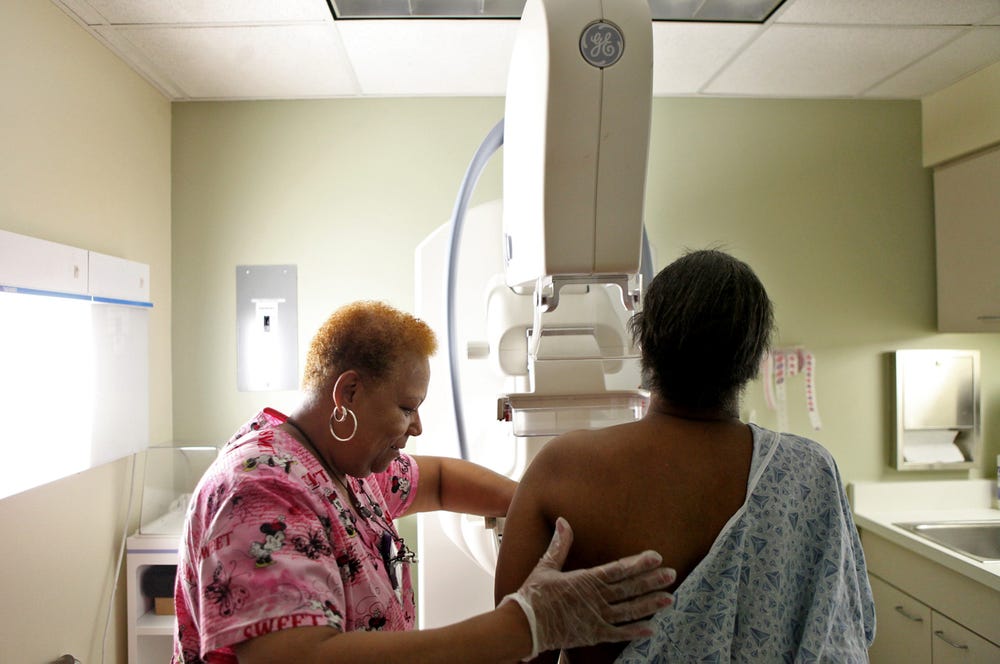
Now, scientists are urging clinicians to screen for PALB2 mutations in anyone undergoing genetic tests for breast cancer risk, according to The New York Times. The information could lead patients to choose preventive mastectomies or more closely monitor their breast health.
A PALB2 mutation can up your cancer risk by five-fold
A large 2021 study found that people with breast-cancer-linked-BRCA variants — which Angelina Jolie famously had, leading to her double mastectomy — were 5.2 to 7.6 as likely to develop breast cancer than those without the mutations. For people with the PALB2 mutation, rates are 3.8- to 5-fold.
As a result, new guidance from the American College of Medical Genetics calls the PALB2 mutation the “third most important breast cancer gene after BRCA1 and BRCA2.”
A person’s risk for cancer with the PALB2 mutation is influenced by family history. The guidelines say that 76% of women with the mutation who have two or more first-degree relatives who’ve had breast cancer will develop the disease by 80. The mutation also ups the likelihood of ovarian and pancreatic cancer.
The new guidelines recommend people with the PALB2 mutation get alternating MRIs and mammograms every six months, as well as pancreatic screenings — especially if they have a family history of pancreatic cancer.
Some doctors are unaware of the gene’s link to cancer
Scientists linked PALB2 mutations to a significant increase in breast cancer risk in 2014, but lagging research and expensive genetic tests have held clinicians back from readily screening patients for it. In some cases, they’re not even aware the gene exists.
46-year-old Seattle resident Heidi Marsh got tested for the PALB2 mutation after learning her mom had it, according to The New York Times. Marsh said her doctor wasn’t aware of the gene and the referred oncologist didn’t recommend surgery.
Topic Discussed: A little-known gene can affect your breast cancer risk, even if you don’t have BRCA mutations
Read More[/vc_column_text][/vc_column][/vc_row][vc_row css=”.vc_custom_1618658856512{margin-top: 75px !important;}”][vc_column][vc_column_text]
About | OB Videos | Insurances Accepted | Blog | Providers | Michael Anthony, MD, FACOG | Noemi Maydew, MD, FACOG | Anne Bond Bonpain, MD, FACOG | Elita Wyckoff, MD, FACOG | Gilberto Rodrigo, MD, FACOG | Jennifer Fraley, MD, FACOG | Heather Flowers | Courtney Braswell | Services | Patient Care | Advanced Care Team | Testimonials | Contact Us | Patient Portal
[/vc_column_text][/vc_column][/vc_row]
by OB/GYN | Aug 18, 2021 | OB/GYN News
[vc_row][vc_column][vc_column_text]Topic: Why You Should Get In Shape Before You Get Pregnant
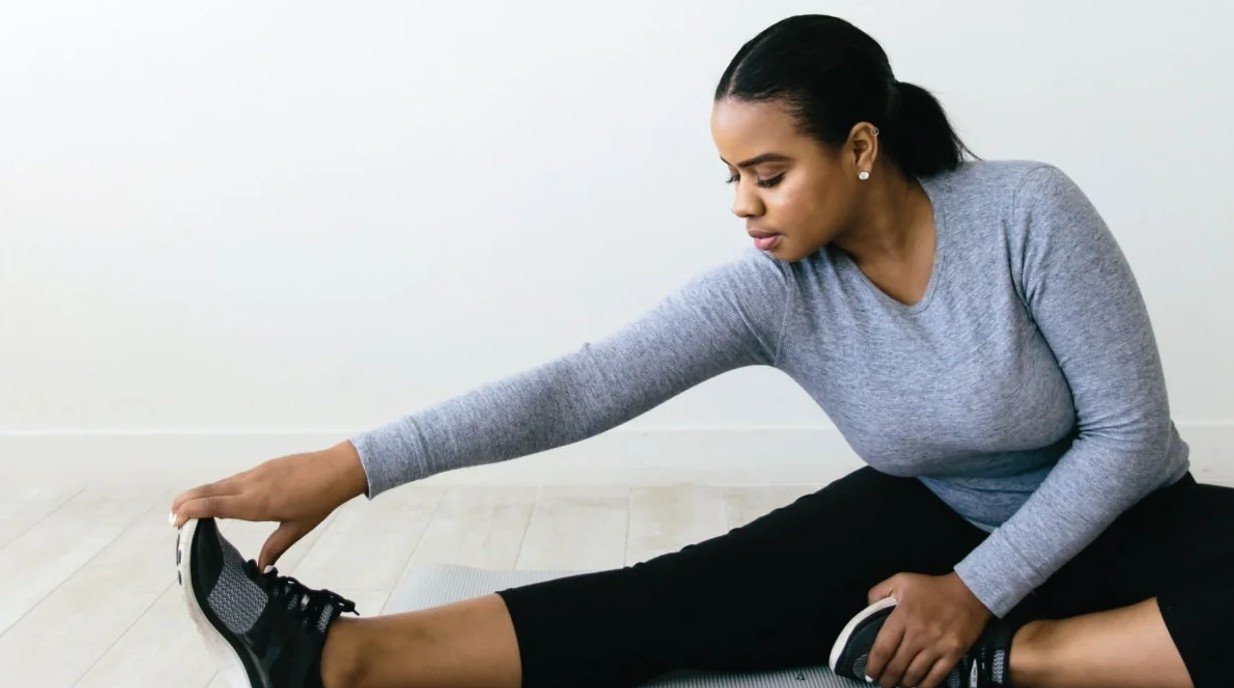
Moderate exercise before pregnancy is associated with many positive outcomes for mom and baby, including boosted fertility, less pain while pregnant and lower weight gains during pregnancy. And women whose weight is in a healthy range before pregnancy help lower the risk of serious complications for their babies, such as neural-tube and heart defects.
The details
Among women with underlying medical conditions like polycystic ovarian syndrome (PCOS)—the most common cause of infertility—an exercise routine and healthy diet can boost fertility.
Having an exercise routine before pregnancy may help keep your pregnancy weight gain in check, too: A 2010 study found that women who were physically active before getting pregnant gained less weight than women who were not.
Getting in shape before getting pregnant, explains OB-GYN Dr. Shannon M. Clark, founder of the site Babies After 35, “will decrease the risk of developing gestational diabetes and high blood pressure during pregnancy, and all the potential complications associated with these diseases, in addition to avoiding potential complications during labor and delivery associated with being overweight. Seeing a nutritionist is ideal and can be very helpful.”
All in moderation
Vigorous exercise (such as daily workouts to the point of exhaustion) might actually make some women less fertile, one study found. The good news? The negative impact on fertility seems to last only as long as the workouts, with fertility returning when workouts because more moderate.
Mamas love
- Working out with a purpose! The boost of motivation you get knowing that you’re getting in shape for baby is invaluable.
- Setting a workout routine before you get pregnant. It makes it easier to stay moving as your belly starts to grow!
- A reason to buy new workout clothes.
The experts say
Women should note their body mass index (BMI) in evaluating their pre-conception fitness: A normal BMI is between 18.5 and 24.9. You can calculate your BMI on an online calculator. But BMI isn’t everything, so talk to your doctor about what a healthy weight range looks like for you.
Topic Discussed: Why You Should Get In Shape Before You Get Pregnant
Read More[/vc_column_text][/vc_column][/vc_row][vc_row css=”.vc_custom_1618658856512{margin-top: 75px !important;}”][vc_column][vc_column_text]
About | OB Videos | Insurances Accepted | Blog | Providers | Michael Anthony, MD, FACOG | Noemi Maydew, MD, FACOG | Anne Bond Bonpain, MD, FACOG | Elita Wyckoff, MD, FACOG | Gilberto Rodrigo, MD, FACOG | Jennifer Fraley, MD, FACOG | Heather Flowers | Courtney Braswell | Services | Patient Care | Advanced Care Team | Testimonials | Contact Us | Patient Portal
[/vc_column_text][/vc_column][/vc_row]