by OB/GYN | Aug 1, 2024 | Women's Health
[vc_row][vc_column][vc_column_text css=””]At Cary OB/GYN in North Carolina, we are dedicated to empowering women with knowledge and tools to protect their cervical health. Human papillomavirus (HPV) is a significant concern, as it is the most common sexually transmitted infection and a leading cause of cervical cancer. In this blog, we will discuss effective prevention strategies, the crucial role of Pap smears, and the importance of HPV vaccination in safeguarding your health.
Understanding HPV and Its Impact on Cervical Health
HPV is a group of more than 200 related viruses, with over 40 types transmitted through direct sexual contact. While most HPV infections resolve on their own without causing harm, some high-risk types can lead to cervical cancer and other genital cancers.
Prevention Strategies
Preventing HPV infections is key to reducing the risk of cervical cancer. Here are some effective strategies:
- Practice Safe Sex: Using condoms can lower the risk of HPV transmission, although they do not provide complete protection as HPV can infect areas not covered by a condom.
- Limit Number of Sexual Partners: Reducing the number of sexual partners can decrease the likelihood of contracting HPV.
- Regular Screening: Regular Pap smears and HPV tests can detect changes in cervical cells early, allowing for prompt treatment and preventing progression to cancer.
The Importance of Pap Smears
Pap smears are a crucial tool in the early detection of cervical cancer and precancerous changes. Here’s why they are so important:
- Detects Abnormal Cells: Pap smears can identify abnormal changes in cervical cells before they turn into cancer.
- Early Intervention: Early detection through Pap smears allows for timely treatment, significantly reducing the risk of developing cervical cancer.
- Guidelines: Women should start getting Pap smears at age 21 and continue at regular intervals as recommended by their healthcare provider.
HPV Vaccination
HPV vaccination is a powerful tool in preventing HPV-related diseases, including cervical cancer. Here’s what you need to know:
- Who Should Get Vaccinated? The CDC recommends HPV vaccination for preteens aged 11 to 12, but it can be given starting at age 9. Catch-up vaccines are also recommended for males through age 21 and females through age 26 if they were not vaccinated earlier.
- Vaccine Efficacy: The HPV vaccine is highly effective in preventing infections with the HPV types most commonly associated with cervical cancer and genital warts.
- Vaccine Safety: Extensive studies have shown that the HPV vaccine is safe and effective, with the benefits far outweighing any potential risks.
Taking Action for Your Cervical Health
- Schedule Regular Screenings: Keep up with regular Pap smears and HPV testing according to your healthcare provider’s recommendations.
- Get Vaccinated: Ensure that you and your children are vaccinated against HPV to reduce the risk of HPV-related cancers.
- Stay Informed: Educate yourself about HPV and cervical health, and discuss any concerns with your healthcare provider.
- Promote Awareness: Encourage friends and family to prioritize cervical health and consider vaccination.
Conclusion
At Cary OB/GYN, we are committed to helping you protect your cervical health through prevention, early detection, and education. By practicing safe sex, scheduling regular Pap smears, and getting vaccinated against HPV, you can significantly reduce your risk of cervical cancer and other HPV-related diseases. If you have any questions or need to schedule an appointment, please contact us. Your health is our top priority, and we are here to support you every step of the way. http://caryobgyn.com/contactus/
Further Reading:
Mayo Clinic: https://www.mayoclinic.org/diseases-conditions/hpv-infection/symptoms-causes/syc-20351596[/vc_column_text][/vc_column][/vc_row][vc_row css=”.vc_custom_1618658856512{margin-top: 75px !important;}”][vc_column][vc_text_separator title=”Services We Offer:”][vc_column_text]
Laparoscopy | Abnormal Bleeding | Menopause | Minimally Invasive Surgery | Contraception | Pap Smear | Pelvic Pain | Family Planning | STD Testing | Hormone Therapy | Hysterectomy | Infertility | 3D Mammography | Pregnancy & Prenatal Care | Preventive Screening
[/vc_column_text][vc_text_separator title=”Website Navigation:”][vc_column_text]
Home | About | OB Videos | Insurances Accepted | Blog | Providers | Michael Anthony, MD, FACOG | Noemi Maydew, MD, FACOG | Anne Bond Bonpain, MD, FACOG | Elita Wyckoff, MD, FACOG | Gilberto Rodrigo, MD, FACOG | Jennifer Fraley, MD, FACOG | Heather Flowers | Courtney Braswell | Services | Patient Care | Advanced Care Team | Testimonials | Contact Us | Patient Portal
[/vc_column_text][/vc_column][/vc_row]

by OB/GYN | Jul 19, 2024 | Women's Health
[vc_row][vc_column][vc_column_text css=””]Menstrual disorders are a common concern for many women, impacting daily life and overall well-being. Understanding the different types of menstrual disorders, their causes, and available treatments can help women manage their symptoms and maintain a healthy lifestyle. At Cary OB/GYN, we are committed to providing comprehensive care for all your gynecological needs. Here’s a detailed guide on common menstrual disorders such as dysmenorrhea, menorrhagia, and amenorrhea.
Dysmenorrhea (Painful Periods)
Types:
- Primary Dysmenorrhea: Painful menstrual cramps without an underlying medical condition, usually beginning in adolescence.
- Secondary Dysmenorrhea: Painful periods caused by an underlying reproductive health issue, often developing later in life.
Causes:
- Primary Dysmenorrhea: Caused by prostaglandins, hormone-like substances that trigger uterine contractions.
- Secondary Dysmenorrhea: Conditions such as endometriosis, fibroids, adenomyosis, pelvic inflammatory disease (PID), and intrauterine devices (IUDs) can cause secondary dysmenorrhea.
Treatments:
- Medications: Nonsteroidal anti-inflammatory drugs (NSAIDs) like ibuprofen can relieve pain. Hormonal contraceptives can reduce prostaglandin production and lighten periods.
- Lifestyle Changes: Regular exercise, a healthy diet, and stress management can help alleviate symptoms.
- Medical Procedures: In severe cases, surgical options like laparoscopy to remove endometriosis tissue or fibroids may be necessary.
Menorrhagia (Heavy Periods)
Causes:
- Hormonal imbalances, particularly involving estrogen and progesterone.
- Uterine fibroids or polyps.
- Adenomyosis (when the inner lining of the uterus breaks through the muscle wall).
- Bleeding disorders like von Willebrand disease.
- Infections, certain medications, or other medical conditions.
Treatments:
- Medications: NSAIDs can reduce blood loss. Hormonal treatments, such as oral contraceptives or hormonal IUDs, can regulate the menstrual cycle and reduce bleeding.
- Iron Supplements: To address anemia caused by heavy bleeding.
- Medical Procedures: Endometrial ablation, uterine artery embolization, or hysterectomy may be recommended in severe cases.
Amenorrhea (Absence of Periods)
Types:
- Primary Amenorrhea: When a woman has not started menstruating by age 15.
- Secondary Amenorrhea: When a woman who previously had regular periods stops menstruating for three months or more.
Causes:
- Primary Amenorrhea: Genetic or chromosomal abnormalities, structural problems with the reproductive organs, or hormonal imbalances.
- Secondary Amenorrhea: Pregnancy, breastfeeding, menopause, stress, significant weight loss or gain, and excessive exercise. Medical conditions such as polycystic ovary syndrome (PCOS), thyroid disorders, and pituitary tumors can also cause secondary amenorrhea.
Treatments:
- Lifestyle Changes: Maintaining a healthy weight, reducing stress, and moderating exercise can help restore regular periods.
- Medications: Hormonal therapies, such as birth control pills or hormone replacement therapy (HRT), can regulate the menstrual cycle. Treating underlying conditions like thyroid disorders or PCOS is also crucial.
- Surgery: In rare cases, surgery may be necessary to correct anatomical abnormalities.
Menstrual disorders can significantly affect a woman’s quality of life, but effective treatments are available. Understanding the types, causes, and treatments of common menstrual disorders like dysmenorrhea, menorrhagia, and amenorrhea is the first step toward managing symptoms and improving well-being.
At Cary OB/GYN, we are dedicated to providing personalized care and support for women experiencing menstrual disorders. If you are struggling with any menstrual irregularities, please reach out to our team for a comprehensive evaluation and customized treatment plan. Your health and comfort are our top priorities. http://caryobgyn.com/contactus/
Further Reading:
Healthline: https://www.healthline.com/health/menstrual-problems[/vc_column_text][/vc_column][/vc_row][vc_row css=”.vc_custom_1618658856512{margin-top: 75px !important;}”][vc_column][vc_text_separator title=”Services We Offer:”][vc_column_text]
Laparoscopy | Abnormal Bleeding | Menopause | Minimally Invasive Surgery | Contraception | Pap Smear | Pelvic Pain | Family Planning | STD Testing | Hormone Therapy | Hysterectomy | Infertility | 3D Mammography | Pregnancy & Prenatal Care | Preventive Screening
[/vc_column_text][vc_text_separator title=”Website Navigation:”][vc_column_text]
Home | About | OB Videos | Insurances Accepted | Blog | Providers | Michael Anthony, MD, FACOG | Noemi Maydew, MD, FACOG | Anne Bond Bonpain, MD, FACOG | Elita Wyckoff, MD, FACOG | Gilberto Rodrigo, MD, FACOG | Jennifer Fraley, MD, FACOG | Heather Flowers | Courtney Braswell | Services | Patient Care | Advanced Care Team | Testimonials | Contact Us | Patient Portal
[/vc_column_text][/vc_column][/vc_row]

by OB/GYN | Jul 11, 2024 | Women's Health
[vc_row][vc_column][vc_column_text css=””]Bringing a new baby into the world is a beautiful and life-changing event. However, it also brings a host of physical and emotional changes that can impact your intimate life. At Cary OB/GYN, serving Cary and Morrisville, NC, we understand the challenges new parents face and are here to provide guidance and support as you navigate sex after having a baby.
When to Resume Sexual Activity
Every woman’s body heals at its own pace after childbirth, and the right time to resume sexual activity varies. Generally, healthcare providers recommend waiting until your postpartum check-up, around six weeks after delivery. This period allows your body to recover from the physical stresses of childbirth, whether you had a vaginal delivery or a C-section. Always follow your doctor’s advice and pay attention to how your body feels.
Physical Factors to Consider
- Healing and Recovery: Your body undergoes significant changes during childbirth. If you had a vaginal delivery, your perineum needs time to heal, especially if you had an episiotomy or tearing. For C-section deliveries, the incision site needs to heal properly before engaging in sexual activity.
- Postpartum Bleeding: Lochia, or postpartum bleeding, can continue for several weeks. It’s crucial to wait until this bleeding stops to reduce the risk of infection.
- Pain and Discomfort: Many women experience pain or discomfort during sex after childbirth. This can be due to vaginal dryness, which is common due to hormonal changes, particularly if you’re breastfeeding. Using a water-based lubricant can help alleviate dryness and make sex more comfortable.
Emotional and Psychological Considerations
- Emotional Readiness: Feeling emotionally ready for sex is just as important as physical readiness. It’s normal to experience a decreased libido due to hormonal changes, fatigue, and the demands of caring for a newborn. Open communication with your partner is essential to ensure both of you feel comfortable and ready to reconnect intimately.
- Body Image: Pregnancy and childbirth bring many changes to your body, and it’s normal to feel self-conscious. Embrace these changes as part of your journey into motherhood, and remember that intimacy involves emotional connection as well as physical appearance.
- Bonding and Intimacy: Intimacy can take many forms beyond sexual activity. Simple acts of affection, like holding hands, cuddling, or sharing a quiet moment, can help you and your partner maintain a strong emotional bond during this time.
Tips for Easing Back Into Intimacy
- Take it Slow: Start with gentle, non-penetrative activities to rebuild intimacy and comfort. Gradually progress to penetrative sex when you both feel ready.
- Communicate Openly: Discuss your feelings, concerns, and any discomfort with your partner. Open communication can help both of you feel more connected and understood.
- Choose the Right Time: Find a time when you’re both relaxed and free from distractions. This might mean waiting until the baby is asleep or arranging for a trusted caregiver to help.
- Be Patient: It’s okay if things don’t feel the same as they did before the baby. Your body and emotions are adjusting, and it may take time to find your new normal.
When to Seek Help
If you experience persistent pain, discomfort, or a lack of interest in sex, it’s important to talk to your healthcare provider. At Cary OB/GYN, we’re here to support you through every stage of your postpartum journey. We can provide guidance, address any concerns, and offer solutions to help you enjoy a healthy and fulfilling sex life after having a baby.
Adjusting to sex after childbirth is a personal journey that varies for each woman. Remember to be kind to yourself and communicate openly with your partner. At Cary OB/GYN, we’re dedicated to supporting you through this transition with compassionate care and expert advice. If you have any questions or need assistance, don’t hesitate to reach out to our team. We’re here to help you navigate this new chapter with confidence and comfort. http://caryobgyn.com/contactus/
Further Reading:
American Pregnancy Association: https://americanpregnancy.org/healthy-pregnancy/first-year-of-life/sex-after-birth/[/vc_column_text][/vc_column][/vc_row][vc_row css=”.vc_custom_1618658856512{margin-top: 75px !important;}”][vc_column][vc_text_separator title=”Services We Offer:”][vc_column_text]
Laparoscopy | Abnormal Bleeding | Menopause | Minimally Invasive Surgery | Contraception | Pap Smear | Pelvic Pain | Family Planning | STD Testing | Hormone Therapy | Hysterectomy | Infertility | 3D Mammography | Pregnancy & Prenatal Care | Preventive Screening
[/vc_column_text][vc_text_separator title=”Website Navigation:”][vc_column_text]
Home | About | OB Videos | Insurances Accepted | Blog | Providers | Michael Anthony, MD, FACOG | Noemi Maydew, MD, FACOG | Anne Bond Bonpain, MD, FACOG | Elita Wyckoff, MD, FACOG | Gilberto Rodrigo, MD, FACOG | Jennifer Fraley, MD, FACOG | Heather Flowers | Courtney Braswell | Services | Patient Care | Advanced Care Team | Testimonials | Contact Us | Patient Portal
[/vc_column_text][/vc_column][/vc_row]

by OB/GYN | Jul 3, 2024 | Women's Health
[vc_row][vc_column][vc_column_text css=””]Endometriosis is a complex and often misunderstood condition that affects millions of women worldwide. It occurs when tissue similar to the lining inside the uterus, known as the endometrium, starts to grow outside the uterus. This can lead to chronic pain, fertility issues, and a host of other symptoms that can significantly impact a woman’s quality of life. In this blog, we’ll take a deep dive into the causes, symptoms, impact on fertility, and treatment options for endometriosis.
What is Endometriosis?
Endometriosis is a condition where the tissue that normally lines the inside of the uterus grows outside of it. These growths, or endometrial implants, can be found on the ovaries, fallopian tubes, the outer surface of the uterus, and other organs within the pelvis. Unlike the endometrial tissue inside the uterus, which is shed during menstruation, these growths have no way to exit the body, leading to inflammation, scarring, and adhesions.
Causes of Endometriosis
The exact cause of endometriosis remains unknown, but several theories exist:
- Retrograde Menstruation: This theory suggests that menstrual blood flows backward through the fallopian tubes into the pelvic cavity instead of leaving the body.
- Embryonic Cell Transformation: Hormones such as estrogen might transform embryonic cells into endometrial-like cell implants during puberty.
- Surgical Scars: After surgeries such as a hysterectomy or C-section, the endometrial cells may attach to the surgical incision.
- Immune System Disorders: Problems with the immune system might make the body unable to recognize and destroy endometrial-like tissue growing outside the uterus.
- Genetics: Endometriosis tends to run in families, suggesting a genetic link.
Symptoms of Endometriosis
Symptoms of endometriosis can vary widely among women, but common signs include:
- Pelvic Pain: Often associated with menstrual periods, but can occur anytime during the cycle.
- Menstrual Irregularities: Heavy periods (menorrhagia) or bleeding between periods (menometrorrhagia).
- Pain During Intercourse: Pain during or after sex is common with endometriosis.
- Pain with Bowel Movements or Urination: Especially during menstrual periods.
- Infertility: Endometriosis is found in 20-40% of women who are infertile.
- Other Symptoms: Fatigue, diarrhea, constipation, bloating, and nausea, particularly during menstrual periods.
Impact on Fertility
Endometriosis can significantly impact fertility. It is one of the leading causes of infertility, affecting up to 30-50% of women with the condition. The exact mechanisms are not entirely understood, but several factors may contribute:
- Inflammation: Can damage the sperm or egg or interfere with their movement through the fallopian tubes.
- Scarring and Adhesions: Can block the fallopian tubes or alter the structure of the reproductive organs, preventing fertilization.
- Ovarian Cysts (Endometriomas): Can affect the ovaries’ ability to produce eggs.
Treatment Options for Endometriosis
While there is no cure for endometriosis, several treatment options can help manage the symptoms and improve quality of life:
- Pain Management: Over-the-counter pain relievers such as ibuprofen or prescription medications can help alleviate pain.
- Hormonal Therapies: Birth control pills, gonadotropin-releasing hormone (Gn-RH) agonists and antagonists, progestin therapy, and aromatase inhibitors can reduce or eliminate menstruation, which can help control the growth of endometrial tissue.
- Surgical Options: Conservative surgery to remove as much endometriosis as possible while preserving the uterus and ovaries. For severe cases, a hysterectomy (removal of the uterus) may be considered.
- Fertility Treatment: If fertility is a concern, options such as in vitro fertilization (IVF) may be recommended.
- Lifestyle and Home Remedies: Regular exercise, applying heat to the pelvic area, dietary changes, and acupuncture can help manage symptoms.
Endometriosis is a challenging condition that requires a comprehensive and individualized approach to treatment. If you are experiencing symptoms of endometriosis, it is essential to consult with a healthcare provider who can provide an accurate diagnosis and develop a tailored treatment plan. At Unified Premier Women’s Care, our experienced team is dedicated to providing compassionate and effective care for women with endometriosis. Contact us today to schedule an appointment and take the first step toward managing your symptoms and improving your quality of life. http://caryobgyn.com/contactus/
Further Reading:
WHO: https://www.who.int/news-room/fact-sheets/detail/endometriosis#:~:text=Overview,period%20and%20last%20until%20menopause.[/vc_column_text][/vc_column][/vc_row][vc_row css=”.vc_custom_1618658856512{margin-top: 75px !important;}”][vc_column][vc_text_separator title=”Services We Offer:”][vc_column_text]
Laparoscopy | Abnormal Bleeding | Menopause | Minimally Invasive Surgery | Contraception | Pap Smear | Pelvic Pain | Family Planning | STD Testing | Hormone Therapy | Hysterectomy | Infertility | 3D Mammography | Pregnancy & Prenatal Care | Preventive Screening
[/vc_column_text][vc_text_separator title=”Website Navigation:”][vc_column_text]
Home | About | OB Videos | Insurances Accepted | Blog | Providers | Michael Anthony, MD, FACOG | Noemi Maydew, MD, FACOG | Anne Bond Bonpain, MD, FACOG | Elita Wyckoff, MD, FACOG | Gilberto Rodrigo, MD, FACOG | Jennifer Fraley, MD, FACOG | Heather Flowers | Courtney Braswell | Services | Patient Care | Advanced Care Team | Testimonials | Contact Us | Patient Portal
[/vc_column_text][/vc_column][/vc_row]
by OB/GYN | Jun 27, 2024 | Women's Health
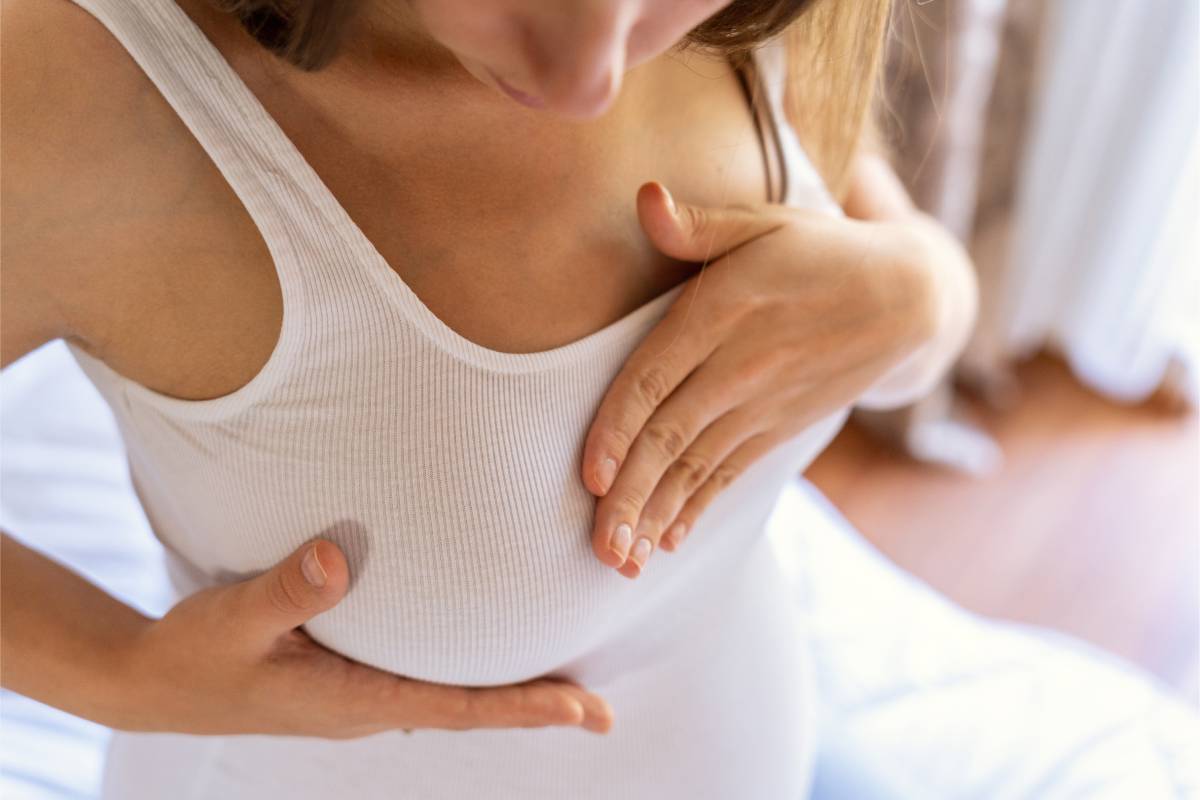
[vc_row][vc_column][vc_column_text css=””]Breast health is crucial for every woman, and at Cary OB/GYN, we prioritize providing comprehensive care and information to support our patients in maintaining their breast health. Regular self-examinations, clinical check-ups, and mammograms play a vital role in early detection and treatment of potential breast issues. This guide will cover the anatomy of the breast, common breast conditions, strategies for maintaining breast health, and the significance of regular screenings.
Anatomy of the Breast
Understanding the structure of the breast is key to recognizing normal changes and identifying potential problems. The breast comprises:
- Glandular Tissue: Includes lobules (milk-producing glands) and ducts (tubes that carry milk to the nipple).
- Fibrous Tissue: Provides structural support and shape to the breast.
- Fatty Tissue: Determines the size and shape of the breast.
- Blood Vessels and Lymph Nodes: Integral parts of the circulatory and immune systems, respectively.
Common Breast Conditions
- Benign Breast Conditions:
- Fibrocystic Changes: Characterized by lumpiness, tenderness, and pain, often associated with the menstrual cycle.
- Cysts: Fluid-filled sacs within the breast, typically benign.
- Fibroadenomas: Solid, non-cancerous tumors commonly found in younger women.
- Mastitis: Inflammation of breast tissue, frequently related to breastfeeding.
- Malignant Breast Conditions:
- Breast Cancer: The uncontrolled growth of abnormal cells in the breast. Early detection through regular screenings significantly improves treatment outcomes.
Maintaining Breast Health
- Self-Examinations:
- Perform monthly self-examinations to become familiar with the normal look and feel of your breasts.
- Be alert for changes such as lumps, nipple discharge, or skin alterations.
- Clinical Examinations:
- Schedule regular check-ups with your healthcare provider at Cary OB/GYN.
- Clinical breast exams are recommended every three years for women in their 20s and 30s, and annually for women aged 40 and over.
- Mammograms:
- Annual mammograms are advised starting at age 40.
- Women with a family history of breast cancer or other risk factors might need to start screenings earlier.
Risk Factors and Prevention
- Risk Factors:
- Age: The risk of breast cancer increases with age.
- Family History: A history of breast cancer in close relatives.
- Genetic Mutations: BRCA1 and BRCA2 gene mutations increase the risk.
- Hormonal Factors: Early menstruation, late menopause, and hormone replacement therapy can elevate risk.
- Prevention Tips:
- Maintain a healthy weight.
- Engage in regular physical activity.
- Limit alcohol intake.
- Avoid smoking.
- Discuss the risks and benefits of hormone replacement therapy with your healthcare provider.
The Importance of Regular Screenings
Early detection is crucial for the successful treatment of breast cancer. Regular screenings, such as mammograms, can detect abnormalities before symptoms manifest. At Cary OB/GYN, we emphasize the importance of adhering to recommended screening guidelines to ensure early detection and treatment of any issues.
Breast health is a vital aspect of a woman’s overall health. By understanding breast anatomy, being aware of common conditions, and following guidelines for self-examinations and screenings, women can take proactive steps to maintain their breast health. Cary OB/GYN is dedicated to supporting you in every aspect of your breast health journey. For more information or to schedule an appointment, please contact us today. http://caryobgyn.com/contactus/
Further Reading:
Johns Hopkins: https://www.hopkinsmedicine.org/health/wellness-and-prevention/breast-health-preventive-care[/vc_column_text][/vc_column][/vc_row][vc_row css=”.vc_custom_1618658856512{margin-top: 75px !important;}”][vc_column][vc_text_separator title=”Services We Offer:”][vc_column_text]
Laparoscopy | Abnormal Bleeding | Menopause | Minimally Invasive Surgery | Contraception | Pap Smear | Pelvic Pain | Family Planning | STD Testing | Hormone Therapy | Hysterectomy | Infertility | 3D Mammography | Pregnancy & Prenatal Care | Preventive Screening
[/vc_column_text][vc_text_separator title=”Website Navigation:”][vc_column_text]
Home | About | OB Videos | Insurances Accepted | Blog | Providers | Michael Anthony, MD, FACOG | Noemi Maydew, MD, FACOG | Anne Bond Bonpain, MD, FACOG | Elita Wyckoff, MD, FACOG | Gilberto Rodrigo, MD, FACOG | Jennifer Fraley, MD, FACOG | Heather Flowers | Courtney Braswell | Services | Patient Care | Advanced Care Team | Testimonials | Contact Us | Patient Portal
[/vc_column_text][/vc_column][/vc_row]

by OB/GYN | Jun 11, 2024 | Women's Health
[vc_row][vc_column][vc_column_text css=””]
Having trouble getting pregnant? You are not alone and we are here to help! At Cary Obgyn we provide infertility work up and first steps of treatment to help our patients reach their family goals. My name is Dr. Robin Piper and I’m an Obstetrician Gynecologist with Cary Obgyn. I specialize in the female reproductive system and I really enjoy helping people create the families they have dreamed of. The road to pregnancy and a healthy delivery is a journey and we are here with you every step of the way. If you have been trying to get pregnant for 12 months without success under age 35 or for 6 months over age 35, please schedule an appointment to meet with us. If it has been less than that amount of time but your periods are not regular or you have painful periods, please come in to see us sooner. Haven’t started trying yet but you are thinking about it and want to be prepared? Please come see us for a preconception appointment where we can discuss your individual risk factors for pregnancy and how to optimize your chances of conceiving.
Want to learn more? There are many causes of infertility and most people do not realize that male factors such as sperm motility are a cause as often as the woman not ovulating regularly. About one third of infertility is caused by female factors, one third by male factors and one third is unexplained. Female factors can include tubal blockage and irregular ovulation which can be related to hormone imbalance such as with PCOS or polycystic ovarian syndrome. Unexplained means we did the work up for both partners and we have no cause yet for why there is infertility. The work up starts with blood work to check hormone levels, thyroid and prolactin levels, and with an ultrasound to look at the uterus and ovaries. We may also ask you to have a semen test done for your partner. Infertility is a journey and the providers at Cary Obgyn would love to be a part of your story. Please schedule to see myself or one of my colleagues today. http://caryobgyn.com/contactus/
Further Reading:
Johns Hopkins: https://www.hopkinsmedicine.org/health/conditions-and-diseases/infertility[/vc_column_text][/vc_column][/vc_row][vc_row css=”.vc_custom_1618658856512{margin-top: 75px !important;}”][vc_column][vc_text_separator title=”Services We Offer:”][vc_column_text]
Laparoscopy | Abnormal Bleeding | Menopause | Minimally Invasive Surgery | Contraception | Pap Smear | Pelvic Pain | Family Planning | STD Testing | Hormone Therapy | Hysterectomy | Infertility | 3D Mammography | Pregnancy & Prenatal Care | Preventive Screening
[/vc_column_text][vc_text_separator title=”Website Navigation:”][vc_column_text]
Home | About | OB Videos | Insurances Accepted | Blog | Providers | Michael Anthony, MD, FACOG | Noemi Maydew, MD, FACOG | Anne Bond Bonpain, MD, FACOG | Elita Wyckoff, MD, FACOG | Gilberto Rodrigo, MD, FACOG | Jennifer Fraley, MD, FACOG | Heather Flowers | Courtney Braswell | Services | Patient Care | Advanced Care Team | Testimonials | Contact Us | Patient Portal
[/vc_column_text][/vc_column][/vc_row]