by OB/GYN | Jun 4, 2024 | Women's Health
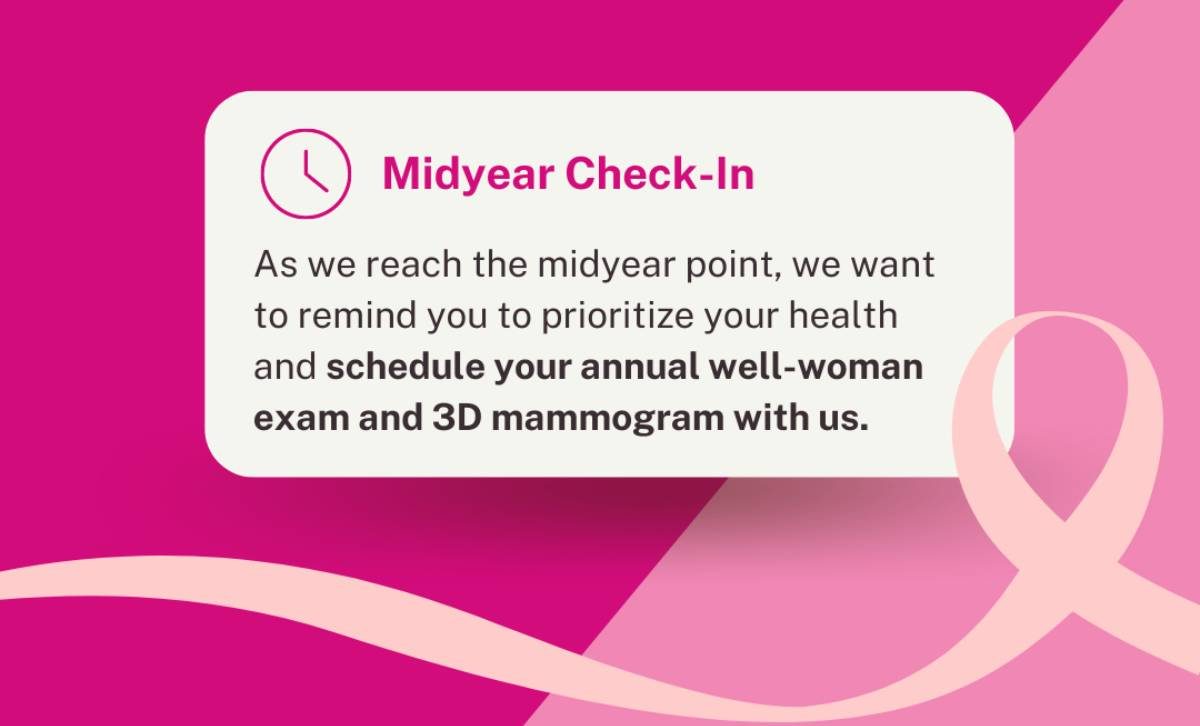
[vc_row][vc_column][vc_column_text css=””]As we approach the halfway point of the year, we want to remind you of the importance of your health and well-being and encourage you to schedule your annual well-woman exam and 3D mammogram if you haven’t done so already.
As your trusted ObGyn provider, we offer a range of services to support women’s health, including in-office 3D mammography. By scheduling your annual well-woman exam and mammogram together, you are taking an important step toward maintaining your health and well-being.
If you haven’t already scheduled your appointments, we encourage you to do so today. To schedule your appointment please call 919-467-5941.
We look forward to seeing you soon and being a part of your continued health journey!
For more information or to schedule a consultation, please contact us http://caryobgyn.com/contactus/[/vc_column_text][/vc_column][/vc_row][vc_row css=”.vc_custom_1618658856512{margin-top: 75px !important;}”][vc_column][vc_text_separator title=”Services We Offer:”][vc_column_text]
Laparoscopy | Abnormal Bleeding | Menopause | Minimally Invasive Surgery | Contraception | Pap Smear | Pelvic Pain | Family Planning | STD Testing | Hormone Therapy | Hysterectomy | Infertility | 3D Mammography | Pregnancy & Prenatal Care | Preventive Screening
[/vc_column_text][vc_text_separator title=”Website Navigation:”][vc_column_text]
Home | About | OB Videos | Insurances Accepted | Blog | Providers | Michael Anthony, MD, FACOG | Noemi Maydew, MD, FACOG | Anne Bond Bonpain, MD, FACOG | Elita Wyckoff, MD, FACOG | Gilberto Rodrigo, MD, FACOG | Jennifer Fraley, MD, FACOG | Heather Flowers | Courtney Braswell | Services | Patient Care | Advanced Care Team | Testimonials | Contact Us | Patient Portal
[/vc_column_text][/vc_column][/vc_row]

by OB/GYN | May 30, 2024 | Women's Health
[vc_row][vc_column][vc_column_text css=””]Fertility is a multifaceted aspect of health that is influenced by a variety of factors, including lifestyle choices. Understanding how your daily habits and routines can affect your reproductive health is essential for anyone looking to conceive. At Cary OB/GYN, we believe in empowering you with the knowledge and support needed to make positive lifestyle changes that can enhance your fertility and overall well-being.
Lifestyle Factors and Their Effects on Fertility
Several lifestyle factors play a crucial role in determining fertility for both men and women. By addressing these elements, you can significantly improve your chances of conceiving and maintaining a healthy pregnancy.
- Nutrition and Diet
A balanced diet rich in essential nutrients is fundamental for reproductive health:
-
- Healthy Eating: Consuming a diet high in fruits, vegetables, whole grains, and lean proteins supports overall health and fertility. Essential nutrients like folic acid, iron, and omega-3 fatty acids are particularly important.
- Antioxidant-Rich Foods: Foods high in antioxidants, such as berries, nuts, and green leafy vegetables, can improve sperm quality and enhance female fertility by reducing oxidative stress.
- Physical Activity
Regular physical activity is beneficial for maintaining a healthy weight and improving fertility:
-
- Moderate Exercise: Engaging in regular, moderate exercise can help regulate menstrual cycles and improve sperm production. Activities such as walking, swimming, and yoga are excellent choices.
- Avoid Over-Exercising: While exercise is beneficial, excessive physical activity can lead to hormonal imbalances and negatively impact fertility. Finding a balanced routine is key.
- Weight Management
Maintaining a healthy weight is crucial for reproductive health:
-
- Healthy Weight: Both underweight and overweight individuals may experience fertility issues. Achieving and maintaining a healthy weight through balanced nutrition and regular exercise can enhance fertility.
- Body Mass Index (BMI): Aim for a BMI within the normal range, as extremes on either end can affect hormone levels and reproductive function.
- Stress and Mental Health
Mental health and stress management are vital components of fertility:
-
- Stress Reduction: High levels of stress can disrupt hormonal balance and negatively affect ovulation and sperm production. Techniques such as mindfulness, meditation, and deep-breathing exercises can help manage stress.
- Emotional Support: Seeking support from friends, family, or a mental health professional can provide emotional relief and improve overall well-being, which is beneficial for fertility.
- Substance Use
Avoiding harmful substances is critical for reproductive health:
-
- Smoking: Smoking is linked to reduced fertility in both men and women. Quitting smoking can significantly improve your chances of conceiving.
- Alcohol Consumption: Excessive alcohol intake can negatively impact fertility. Limiting alcohol consumption or abstaining altogether is recommended for those trying to conceive.
- Drug Use: Avoid recreational drug use as it can severely affect reproductive health and pregnancy outcomes.
- Sleep and Rest
Adequate sleep and rest are often overlooked but are essential for fertility:
-
- Sleep Patterns: Aim for 7-9 hours of quality sleep per night. Poor sleep can disrupt hormonal balance and negatively impact fertility.
- Rest and Recovery: Ensure you take time to rest and recover, especially if you have a demanding lifestyle. Relaxation and downtime are crucial for maintaining overall health.
Seeking Professional Guidance
If you are experiencing difficulties with fertility and suspect lifestyle factors may be playing a role, consulting with a specialist at Cary OB/GYN can provide you with tailored advice and support. Our team is dedicated to helping you understand the impact of your lifestyle on fertility and offering solutions to enhance your reproductive health.
Lifestyle factors significantly influence fertility, but with mindful choices and positive changes, you can improve your chances of conceiving and enjoying a healthy pregnancy. At Cary OB/GYN, we are committed to supporting you on your journey to parenthood by providing expert guidance and comprehensive care. Together, we can navigate the challenges and celebrate the joys of building your family.
For more information or to schedule a consultation, please contact us http://caryobgyn.com/contactus/. We look forward to being a part of your journey to parenthood.
Further Reading:
Mayo Clinic: https://www.mayoclinic.org/healthy-lifestyle/getting-pregnant/in-depth/female-fertility/art-20045887[/vc_column_text][/vc_column][/vc_row][vc_row css=”.vc_custom_1618658856512{margin-top: 75px !important;}”][vc_column][vc_text_separator title=”Services We Offer:”][vc_column_text]
Laparoscopy | Abnormal Bleeding | Menopause | Minimally Invasive Surgery | Contraception | Pap Smear | Pelvic Pain | Family Planning | STD Testing | Hormone Therapy | Hysterectomy | Infertility | 3D Mammography | Pregnancy & Prenatal Care | Preventive Screening
[/vc_column_text][vc_text_separator title=”Website Navigation:”][vc_column_text]
Home | About | OB Videos | Insurances Accepted | Blog | Providers | Michael Anthony, MD, FACOG | Noemi Maydew, MD, FACOG | Anne Bond Bonpain, MD, FACOG | Elita Wyckoff, MD, FACOG | Gilberto Rodrigo, MD, FACOG | Jennifer Fraley, MD, FACOG | Heather Flowers | Courtney Braswell | Services | Patient Care | Advanced Care Team | Testimonials | Contact Us | Patient Portal
[/vc_column_text][/vc_column][/vc_row]

by OB/GYN | May 23, 2024 | Women's Health
[vc_row][vc_column][vc_column_text css=””]Hormone Replacement Therapy (HRT) has long been a topic of discussion and debate, but its benefits are undeniable for many individuals. Whether it’s alleviating menopausal symptoms or addressing hormone deficiencies, HRT can play a vital role in enhancing quality of life. This blog aims to shed light on the positive aspects of HRT and how it can be a valuable tool for achieving optimal health and well-being.
Understanding HRT
Hormone Replacement Therapy involves supplementing the body with hormones such as estrogen, progesterone, and sometimes testosterone to balance hormonal levels. It is commonly used for:
- Menopause: To alleviate symptoms like hot flashes, night sweats, mood swings, and vaginal dryness.
- Hormonal Deficiencies: To treat conditions like hypogonadism or premature ovarian insufficiency where the body does not produce enough hormones.
The Benefits of HRT
- Relief from Menopausal Symptoms: HRT is highly effective in reducing common menopausal symptoms. Women experiencing hot flashes, night sweats, and mood swings often find significant relief through HRT, allowing them to maintain a better quality of life.
- Bone Health: Estrogen plays a crucial role in maintaining bone density. HRT can help prevent osteoporosis and reduce the risk of fractures in postmenopausal women by preserving bone strength.
- Heart Health: Some studies suggest that HRT may have a protective effect on the heart when started near the onset of menopause. It can help manage cholesterol levels and improve overall cardiovascular health.
- Enhanced Quality of Life: Beyond physical symptoms, HRT can positively impact mood, energy levels, and overall well-being. Many individuals report feeling more like themselves and experiencing improved mental health and vitality.
- Improved Sexual Health: For individuals experiencing vaginal dryness or discomfort during intercourse, HRT can restore vaginal health and improve sexual function, enhancing intimate relationships and overall satisfaction.
Embracing HRT with Confidence
While HRT offers numerous benefits, it’s important to approach it with a well-informed mindset. Here are some steps to help you embrace HRT confidently:
- Consult with a Healthcare Provider: Before starting HRT, have a thorough discussion with one of our healthcare providers at Lyndhurst Gynecologic Associates. They can assess your medical history, discuss potential benefits and risks, and tailor a treatment plan to your needs.
- Personalized Treatment Plans: HRT is not a one-size-fits-all solution. Work with your healthcare provider to find the right type and dosage of hormones that best suit your body and lifestyle.
- Regular Monitoring: Regular follow-ups with your healthcare provider are essential to monitor your progress, adjust dosages if necessary, and ensure that HRT continues to benefit you.
- Lifestyle Considerations: Complement HRT with a healthy lifestyle. A balanced diet, regular exercise, and stress management can enhance the positive effects of HRT and contribute to your overall well-being.
- Stay Informed: Keep up to date with the latest research and developments in HRT. Knowledge is empowering and can help you make informed decisions about your health.
Success Stories and Positive Experiences
Many of our patients have shared their success stories with HRT, highlighting its transformative impact on their lives.
Hormone Replacement Therapy can be a powerful tool for improving health and well-being and enhance your quality of life. By staying informed, working closely with healthcare providers, and embracing a positive outlook, you can make the most of what HRT has to offer and embark on a journey towards better health and happiness. http://caryobgyn.com/contactus/
Further Reading:
Mayo Clinic: https://www.mayoclinic.org/diseases-conditions/menopause/in-depth/hormone-therapy/art-20046372[/vc_column_text][/vc_column][/vc_row][vc_row css=”.vc_custom_1618658856512{margin-top: 75px !important;}”][vc_column][vc_text_separator title=”Services We Offer:”][vc_column_text]
Laparoscopy | Abnormal Bleeding | Menopause | Minimally Invasive Surgery | Contraception | Pap Smear | Pelvic Pain | Family Planning | STD Testing | Hormone Therapy | Hysterectomy | Infertility | 3D Mammography | Pregnancy & Prenatal Care | Preventive Screening
[/vc_column_text][vc_text_separator title=”Website Navigation:”][vc_column_text]
Home | About | OB Videos | Insurances Accepted | Blog | Providers | Michael Anthony, MD, FACOG | Noemi Maydew, MD, FACOG | Anne Bond Bonpain, MD, FACOG | Elita Wyckoff, MD, FACOG | Gilberto Rodrigo, MD, FACOG | Jennifer Fraley, MD, FACOG | Heather Flowers | Courtney Braswell | Services | Patient Care | Advanced Care Team | Testimonials | Contact Us | Patient Portal
[/vc_column_text][/vc_column][/vc_row]

by OB/GYN | May 14, 2024 | Women's Health
[vc_row][vc_column][vc_column_text css=””]Gestational diabetes is a condition marked by elevated blood sugar levels (hyperglycemia) that arises during pregnancy and usually resolves after delivery. It’s important for pregnant women to recognize the signs of gestational diabetes and understand how to manage it to ensure a healthy pregnancy for both mother and baby.
What is Gestational Diabetes?
Gestational diabetes occurs when the body cannot produce enough insulin during pregnancy. Insulin is the hormone responsible for regulating blood sugar levels. When the body cannot use insulin effectively, blood sugar levels rise, leading to hyperglycemia. This condition is typically diagnosed during the second or third trimester.
Recognizing the Signs of Gestational Diabetes
Early detection of gestational diabetes is crucial for effective management. Some common signs of gestational diabetes include:
- Excessive thirst
- Frequent urination
- Unusual fatigue
- Nausea
- Blurred vision
- Frequent infections
If you notice any of these symptoms, it’s important to consult with your OB-GYN for further evaluation and testing.
Potential Risks of Gestational Diabetes
If left unmanaged, gestational diabetes can pose risks to both mother and baby. For the baby, risks include high birth weight, premature birth, respiratory distress syndrome, and low blood sugar levels at birth. For the mother, risks include high blood pressure, preeclampsia, and an increased risk of developing type 2 diabetes in the future.
Managing Gestational Diabetes
Effective management of gestational diabetes involves maintaining normal blood sugar levels. This can be achieved through regular blood sugar monitoring, adhering to a gestational diabetes diet, and engaging in regular physical activity.
The Importance of a Gestational Diabetes Diet
A balanced diet is a key component in managing gestational diabetes. Here are some dietary guidelines to follow:
- Eat Balanced Meals: Include a variety of foods to ensure you get essential nutrients. Focus on whole grains, lean proteins, fruits, vegetables, and healthy fats.
- Carbohydrate Management: Carbohydrates have a significant impact on blood sugar levels. Spread your carbohydrate intake throughout the day by eating smaller, more frequent meals.
- Low Glycemic Index Foods: Choose foods with a low glycemic index (GI) that cause a slower rise in blood sugar levels, such as whole grains, legumes, and non-starchy vegetables.
- Limit Sugary Foods: Reduce the intake of sugary foods and beverages to prevent spikes in blood sugar levels.
Consulting your OB/GYN or a registered dietitian can help you develop a personalized gestational diabetes diet plan tailored to your needs and preferences.
Incorporating Physical Activity
Regular physical activity can help manage blood sugar levels and improve overall health. Aim for at least 30 minutes of moderate-intensity exercise most days of the week. Always consult with your healthcare provider before starting any new exercise routine during pregnancy.
Monitoring Blood Sugar Levels
Regular blood sugar monitoring is essential for managing gestational diabetes. Your healthcare provider will guide you on how to check your blood sugar levels at home and interpret the results. Keeping a log of your blood sugar levels, diet, and physical activity can help your healthcare team adjust your treatment plan as needed.
Understanding the signs of gestational diabetes and managing the condition through a healthy gestational diabetes diet, regular physical activity, and blood sugar monitoring can ensure a healthy pregnancy for both mother and baby. If you suspect you have gestational diabetes or have been diagnosed with the condition, work closely with your provider at Cary OB/GYN to develop a comprehensive care plan. http://caryobgyn.com/contactus/
Further Reading:
March of Dimes: https://www.marchofdimes.org/find-support/topics/pregnancy/gestational-diabetes[/vc_column_text][/vc_column][/vc_row][vc_row css=”.vc_custom_1618658856512{margin-top: 75px !important;}”][vc_column][vc_text_separator title=”Services We Offer:”][vc_column_text]
Laparoscopy | Abnormal Bleeding | Menopause | Minimally Invasive Surgery | Contraception | Pap Smear | Pelvic Pain | Family Planning | STD Testing | Hormone Therapy | Hysterectomy | Infertility | 3D Mammography | Pregnancy & Prenatal Care | Preventive Screening
[/vc_column_text][vc_text_separator title=”Website Navigation:”][vc_column_text]
Home | About | OB Videos | Insurances Accepted | Blog | Providers | Michael Anthony, MD, FACOG | Noemi Maydew, MD, FACOG | Anne Bond Bonpain, MD, FACOG | Elita Wyckoff, MD, FACOG | Gilberto Rodrigo, MD, FACOG | Jennifer Fraley, MD, FACOG | Heather Flowers | Courtney Braswell | Services | Patient Care | Advanced Care Team | Testimonials | Contact Us | Patient Portal
[/vc_column_text][/vc_column][/vc_row]

by OB/GYN | May 8, 2024 | Women's Health
[vc_row][vc_column][vc_column_text css=””]As a mom, I know how much more challenging it is in today’s culture than it used to be. Between social media and current cultural LGBT+ awareness and trends, there is so much more to consider than when we grew up. Teens need their parents to help them navigate the world as it is today. I also know that talking about sex with your teenager can feel awkward and be uncomfortable. Being open and honest and admitting your feelings is helpful.
Having conversations about sex related topics, with our teens, has been widely researched and identified as a positive parenting practice. This includes conversations about healthy relationships, preventing HIV and other sexually transmitted diseases (STDs), and preventing pregnancy. A national survey, conducted by the National Campaign to Prevent Teen and Unplanned Pregnancy, found that teens report that their parents have the greatest influence on the decisions they make about sex, even more than their friends, siblings or social media. The values and information that parents give is often seasoned with life experiences that parents can provide.
When considering “the sex talk” with your teen, please know that It is important to have not just one but frequent conversations. This helps to reinforce information, find out what your teen already knows and make sure their information is factual and medically accurate.
Identifying unique opportunities to have sensitive conversations with your teen is also important. The car is a great place!! It’s private and your teen doesn’t have to look at you but can hear what you are saying to them. Take advantage of the opportunities right after a relevant TV show or movie to talk about and maybe clear up any misconceptions. Communicate through text messages, because we all know teens will look at their phones 🙂
Lastly, take your teen to their regular, preventative care provider appointments. This gives them an opportunity to ask questions of someone other than their parent but someone the whole family can trust.
Contact us to make an appointment: http://caryobgyn.com/contactus/[/vc_column_text][/vc_column][/vc_row][vc_row css=”.vc_custom_1618658856512{margin-top: 75px !important;}”][vc_column][vc_text_separator title=”Services We Offer:”][vc_column_text]
Laparoscopy | Abnormal Bleeding | Menopause | Minimally Invasive Surgery | Contraception | Pap Smear | Pelvic Pain | Family Planning | STD Testing | Hormone Therapy | Hysterectomy | Infertility | 3D Mammography | Pregnancy & Prenatal Care | Preventive Screening
[/vc_column_text][vc_text_separator title=”Website Navigation:”][vc_column_text]
Home | About | OB Videos | Insurances Accepted | Blog | Providers | Michael Anthony, MD, FACOG | Noemi Maydew, MD, FACOG | Anne Bond Bonpain, MD, FACOG | Elita Wyckoff, MD, FACOG | Gilberto Rodrigo, MD, FACOG | Jennifer Fraley, MD, FACOG | Heather Flowers | Courtney Braswell | Services | Patient Care | Advanced Care Team | Testimonials | Contact Us | Patient Portal
[/vc_column_text][/vc_column][/vc_row]

by OB/GYN | May 1, 2024 | Women's Health
[vc_row][vc_column][vc_column_text]Ovarian cysts are fluid-filled sacs or pockets within or on the surface of an ovary. While often benign and symptom-free, understanding their nature and knowing when to seek treatment is crucial for maintaining reproductive and overall health. This blog discusses the types, symptoms, diagnostic methods, and management strategies for ovarian cysts.
What Are Ovarian Cysts?
Ovarian cysts are relatively common among women during their reproductive years. These cysts can be categorized mainly into two types:
- Functional Cysts: These cysts are part of the normal menstrual cycle and are the most common type. They usually resolve on their own without treatment within a few cycles. Examples include follicular cysts and corpus luteum cysts.
- Pathological Cysts: These arise due to abnormal cell growth and are less common but might require treatment. They include dermoid cysts, cystadenomas, and endometriomas.
Symptoms of Ovarian Cysts
Many ovarian cysts are asymptomatic and are often discovered during a routine physical or pelvic examination. However, symptoms can appear as the cysts grow, including:
- Pain or discomfort in the abdomen or lower back
- Bloating or swelling in the abdomen
- Painful bowel movements
- Pain during menstruation or intercourse
- Nausea and vomiting, especially if the cyst is causing ovarian torsion
The Importance of Early Detection
Early detection of ovarian cysts can prevent potential complications such as ovarian torsion, where the cyst causes the ovary to move and potentially cut off its blood supply, and rupture, which can lead to severe pain and internal bleeding.
Diagnostic Methods
Early detection typically involves a combination of:
- Pelvic Exam: Regular check-ups can help detect irregularities in the size, shape, or consistency of ovaries.
- Ultrasound: The most common and effective method to view the structure of an ovary and identify cysts.
- CT Scan or MRI: Used to get a clearer view of the cyst and help differentiate it from other possible types of growths.
- Blood Tests: Certain blood tests like the CA-125 can help to detect cancerous cysts, especially in postmenopausal women.
Management Strategies
The management of ovarian cysts depends on the type, size, and symptoms:
- Watchful Waiting: Monitoring the cysts with periodic pelvic ultrasounds to check for changes in size or appearance, particularly for small, non-symptomatic cysts.
- Medication: Hormonal contraceptives may be prescribed to prevent the formation of new cysts in reproductive-age women but do not shrink existing cysts.
- Surgery: Surgical intervention may be necessary for larger cysts, cysts that persist, or cysts that cause symptoms. Procedures can vary from conservative cystectomy to remove the cyst to oophorectomy, where an ovary is removed.
Prevention Tips
While many ovarian cysts cannot be prevented, regular pelvic exams and understanding the signs and symptoms can help catch and manage them early. Maintaining a healthy lifestyle and managing hormonal balances can also play a role in preventing the occurrence of functional cysts.
Ovarian cysts, while often benign, can sometimes lead to serious health issues. Awareness and early detection are your best defenses against complications. If you experience any of the symptoms mentioned above, consult with your healthcare provider at Cary OB/GYN in Cary or Morrisville, NC to determine the best course of action based on your specific circumstances. Remember, with proper management, most women with ovarian cysts continue to lead a healthy life. Contact us: http://caryobgyn.com/contactus/
Further Reading:
Healthline – Ovarian Cysts Detection Management: https://www.healthline.com/health/ovarian-cysts[/vc_column_text][/vc_column][/vc_row][vc_row css=”.vc_custom_1618658856512{margin-top: 75px !important;}”][vc_column][vc_text_separator title=”Services We Offer:”][vc_column_text]
Laparoscopy | Abnormal Bleeding | Menopause | Minimally Invasive Surgery | Contraception | Pap Smear | Pelvic Pain | Family Planning | STD Testing | Hormone Therapy | Hysterectomy | Infertility | 3D Mammography | Pregnancy & Prenatal Care | Preventive Screening
[/vc_column_text][vc_text_separator title=”Website Navigation:”][vc_column_text]
Home | About | OB Videos | Insurances Accepted | Blog | Providers | Michael Anthony, MD, FACOG | Noemi Maydew, MD, FACOG | Anne Bond Bonpain, MD, FACOG | Elita Wyckoff, MD, FACOG | Gilberto Rodrigo, MD, FACOG | Jennifer Fraley, MD, FACOG | Heather Flowers | Courtney Braswell | Services | Patient Care | Advanced Care Team | Testimonials | Contact Us | Patient Portal
[/vc_column_text][/vc_column][/vc_row]