by Marketing Manager | Nov 23, 2022 | Women's Health
[vc_row][vc_column][vc_column_text]Is your period constantly changing? It could be an indication of something happening in your body.
Does your period come whenever it wants? Does it seem different every month? Your irregular periods could be an indication of something else going on in your body. The normal period occurs every 21 to 35 days and lasts from two to seven days. If your period arrives in less than 21 days or more than 35 days and / or lasts for more or less than two to seven days, you are considered to have irregular periods.
In some cases, having irregular periods is normal. Irregular periods are expected and common among young girls and perimenopausal women. Young girls in the beginning phases of pregnancy are likely to have irregular periods until their bodies adjust. Women who are transitioning into menopause will also likely have irregular periods while their bodies adjust. These women having irregular periods is normal.
If you don’t fit into one of those groups of women and are experiencing irregular periods there could be an underlying cause or medical condition. Causes of irregular periods include:
Eating Disorders
Any eating disorder can cause irregular or missed periods, but anorexia nervosa is especially known to interfere with the menstrual cycle. People who suffer from anorexia nervosa want to maintain below-normal body weight and do that by starvation and too much exercise. This negatively affects the body, including reproductive and menstrual health.
Medications
There are some medications that could cause irregular periods. Talk to the prescribing healthcare provider. The benefit of the medication could outweigh the risks depending on what the medication is treating.
Thyroid Conditions
The thyroid is a gland that is part of the endocrine system that helps make and regulate hormones. If the thyroid is not working as it should it will affect your hormone levels which could affect your period.
Prolactin Imbalance
Prolactin is a hormone that is involved in the menstrual cycle. If your prolactin level is imbalanced, it will affect your menstrual cycle.
Diabetes
Diabetes involves the endocrine system which helps make and regulate hormones. If your hormones are not at normal ranges, it could affect your period.
Obesity
Extra weight can increase the amount of estrogen in the body which can cause changes to your period.
Stress
Chronic long-term stress can lead to irregular periods.
Polycystic Ovary Syndrome
Polycystic ovary syndrome is when a woman has multiple ovarian cysts. These cysts can cause pain, hormonal imbalances, and irregular periods.
Primary Ovarian Insufficiency
Primary ovarian insufficiency occurs when a woman’s ovaries stop working before the age of 40. The ovaries not functioning correctly may cause irregular periods.
Pelvic Inflammatory Disease
Pelvic inflammatory disease is an infection of the reproductive organs. It is often caused by a sexually transmitted infection. This can cause the reproductive organs to not function as they normally do and cause changes to a woman’s period.
If you have irregular periods, you should see your healthcare provider. They will do an exam, ask you questions, and possibly order testing. The treatment will depend on the underlying cause and severity of your irregular periods.
Resources
- Period problems. Period problems | Office on Women’s Health. (n.d.). Retrieved November 11, 2022
[/vc_column_text][/vc_column][/vc_row][vc_row css=”.vc_custom_1618658856512{margin-top: 75px !important;}”][vc_column][vc_text_separator title=”Services We Offer:”][vc_column_text]
Laparoscopy | Abnormal Bleeding | Menopause | Minimally Invasive Surgery | Contraception | Pap Smear | Pelvic Pain | Family Planning | STD Testing | Hormone Therapy | Hysterectomy | Infertility | 3D Mammography | Pregnancy & Prenatal Care | Preventive Screening
[/vc_column_text][vc_text_separator title=”Website Navigation:”][vc_column_text]
Home | About | OB Videos | Insurances Accepted | Blog | Providers | Michael Anthony, MD, FACOG | Noemi Maydew, MD, FACOG | Anne Bond Bonpain, MD, FACOG | Elita Wyckoff, MD, FACOG | Gilberto Rodrigo, MD, FACOG | Jennifer Fraley, MD, FACOG | Heather Flowers | Courtney Braswell | Services | Patient Care | Advanced Care Team | Testimonials | Contact Us | Patient Portal
[/vc_column_text][/vc_column][/vc_row]

by Marketing Manager | Nov 17, 2022 | Women's Health
[vc_row][vc_column][vc_column_text]Make sure to get the recommended amount of pregnancy healthcare to help identify common pregnancy complications before they cause a bigger problem.
Pregnancy is often a time of bliss and anticipation but it is not the time to be slack with healthcare maintenance. It is essential to get the recommended amount of pregnancy healthcare. Although many pregnancies can be smooth sailing there are always possible pregnancy complications. Sometimes these complications can be ‘silent,’ meaning that you don’t know they are occurring until they cause harm. This is why it is so important to attend your regularly scheduled pregnancy healthcare appointments. Pregnancy complications can affect the mother, baby, or both. If you don’t have health insurance there are clinics that specialize in providing affordable pregnancy healthcare. If possible, talk to your primary care doctor or gynecologist before trying to become pregnant. Discuss if you have any medical issues that could cause pregnancy complications. If you are already pregnant, talk with your OB/GYN provider at your first pregnancy appointment.
Common Pregnancy Complications
Anemia
Anemia is a condition where you have less than the recommended amount of red blood cells. Anyone can be affected by anemia but being pregnant increases the risk. Oftentimes anemia can go unnoticed if bloodwork is not done. It can cause symptoms of fatigue, dizziness, pale skin, headache, weakness, and irregular heart rhythms. Your OB/GYN will have you complete regularly scheduled bloodwork during pregnancy to monitor for anemia.
Urinary Tract Infection (UTI)
UTIs are common during pregnancy. When you visit your OB/GYN, they will often test for any UTIs in the early pregnancy stages. Some people can have a UTI and not display any symptoms. Some people will have symptoms of pain, burning, fever, and abnormal urine. Luckily, treatment is usually a simple course of antibiotics.
Hypertension / Preeclampsia
Hypertension is high blood pressure. Having high blood pressure during pregnancy puts the mother and baby at risk. Some of the risks of high blood pressure during pregnancy include preeclampsia, placental abruption, gestational diabetes, preterm delivery, and infant death. Your healthcare provider will monitor your blood pressure every time you come in for an appointment and will be able to prescribe medication or monitor you more closely if there are concerns about hypertension.
Mental Health Conditions
Getting treatment for mental health conditions is vital to both the mother and the baby. It is common to experience depression, anxiety, or other mental health conditions during or after pregnancy.
Gestational Diabetes
Gestational diabetes occurs when a woman is pregnant. If it goes undiagnosed it can cause chronic issues for the mother and the baby. Your OB/GYN provider will have you complete testing for gestational diabetes during the second trimester.
Weight Gain
It is normal to gain 25 to 35 pounds during pregnancy if you were at a normal weight before becoming pregnant. If you gain more than the recommended amount of weight it could cause preeclampsia, stillbirth, or needing a cesarean delivery
Hyperemesis Gravidarum
It is normal to have some nausea and vomiting during the first trimester of pregnancy. This is often referred to as morning sickness but it can happen at any time of the day. Some women will experience severe nausea and vomiting that does not go away, referred to as hyperemesis gravidarum. This can lead to weight loss and dehydration.
Resources
- Centers for Disease Control and Prevention. (2022, April 4). Pregnancy complications. Centers for Disease Control and Prevention. Retrieved November 11, 2022
[/vc_column_text][/vc_column][/vc_row][vc_row css=”.vc_custom_1618658856512{margin-top: 75px !important;}”][vc_column][vc_text_separator title=”Services We Offer:”][vc_column_text]
Laparoscopy | Abnormal Bleeding | Menopause | Minimally Invasive Surgery | Contraception | Pap Smear | Pelvic Pain | Family Planning | STD Testing | Hormone Therapy | Hysterectomy | Infertility | 3D Mammography | Pregnancy & Prenatal Care | Preventive Screening
[/vc_column_text][vc_text_separator title=”Website Navigation:”][vc_column_text]
Home | About | OB Videos | Insurances Accepted | Blog | Providers | Michael Anthony, MD, FACOG | Noemi Maydew, MD, FACOG | Anne Bond Bonpain, MD, FACOG | Elita Wyckoff, MD, FACOG | Gilberto Rodrigo, MD, FACOG | Jennifer Fraley, MD, FACOG | Heather Flowers | Courtney Braswell | Services | Patient Care | Advanced Care Team | Testimonials | Contact Us | Patient Portal
[/vc_column_text][/vc_column][/vc_row]

by Marketing Manager | Nov 3, 2022 | Women's Health
[vc_row][vc_column][vc_column_text]Do you enjoy a daily nighttime routine that involves a glass or two of wine? Do you meet up with friends on the weekends to have dinner and a few cocktails? Many people enjoy alcoholic beverages for various reasons. During the COVID-19 pandemic, alcohol consumption increased and it could be bad for women’s health.
One study found evidence that suggests that during the first year of the pandemic people started drinking more alcohol to deal with stress. Along with the increase in alcohol consumption, there was also an increase in liver transplants needed for alcohol-related liver disease and emergency room visits for withdrawal from alcohol. If that wasn’t bad enough, the researchers also found that alcohol-related deaths increased by about 25%. It is thought that these deaths are due to the toll that the pandemic has taken on people and alcohol treatment being disrupted (3).
Another study that had over 370,000 participants found that any amount of alcohol consumption increased the risk of hypertension (high blood pressure), coronary artery disease, and other cardiovascular diseases. The more alcohol consumed, the more the risks increased (1). This is especially concerning for women because heart disease is the number one cause of death among American women.
What are your thoughts on these studies? Do you think this research is accurate? Do you think your drinking or anyone you know has increased since the pandemic started? Do you think drinking alcohol is affecting your health now or may affect it in the future? These are all questions to ask yourself and contemplate. Many people may not even realize how much they drink or if their drinking has increased.
The Centers for Disease Control and Prevention (CDC), has a webpage on how excessive alcohol use is a risk to women’s health. To check out the page click here. The CDC lists the following statistics related to women’s health and alcohol:(2)
- About 13% of women report binge drinking an average of 4 times a month and consuming 5 drinks during a binge.
- In 2019, approximately 32% of female high school students reported consuming alcohol which was higher than male high school students.
- In 2019, about 4% of adult women had an alcohol use disorder.
According to the CDC, due to biological differences, women will absorb a greater amount of alcohol and it takes a longer amount of time to metabolize that alcohol. These differences put women at an increased risk of negative health effects from alcohol (2).
These studies and statistics do bring up some interesting points. Alcohol has become a popular social aspect in our culture. Although you may not have any issues with alcohol consumption, many people do. It is important to bring attention to the topic to bring more awareness to the negative effects that alcohol can have on our health.
Resources
- Biddinger KJ, Emdin CA, Haas ME, et al. Association of Habitual Alcohol Intake With Risk of Cardiovascular Disease. JAMA Netw Open. 2022;5(3):e223849. doi:10.1001/jamanetworkopen.2022.3849
- Centers for Disease Control and Prevention. (2022, April 19). Excessive alcohol use and risks to women’s health. Centers for Disease Control and Prevention. Retrieved April 22, 2022
- White AM, Castle IP, Powell PA, Hingson RW, Koob GF. Alcohol-Related Deaths During the COVID-19 Pandemic. Published online March 18, 2022. doi:10.1001/jama.2022.4308
[/vc_column_text][/vc_column][/vc_row][vc_row css=”.vc_custom_1618658856512{margin-top: 75px !important;}”][vc_column][vc_text_separator title=”Services We Offer:”][vc_column_text]
Laparoscopy | Abnormal Bleeding | Menopause | Minimally Invasive Surgery | Contraception | Pap Smear | Pelvic Pain | Family Planning | STD Testing | Hormone Therapy | Hysterectomy | Infertility | 3D Mammography | Pregnancy & Prenatal Care | Preventive Screening
[/vc_column_text][vc_text_separator title=”Website Navigation:”][vc_column_text]
Home | About | OB Videos | Insurances Accepted | Blog | Providers | Michael Anthony, MD, FACOG | Noemi Maydew, MD, FACOG | Anne Bond Bonpain, MD, FACOG | Elita Wyckoff, MD, FACOG | Gilberto Rodrigo, MD, FACOG | Jennifer Fraley, MD, FACOG | Heather Flowers | Courtney Braswell | Services | Patient Care | Advanced Care Team | Testimonials | Contact Us | Patient Portal
[/vc_column_text][/vc_column][/vc_row]
by Marketing Manager | Oct 27, 2022 | Pregnancy, Women's Health
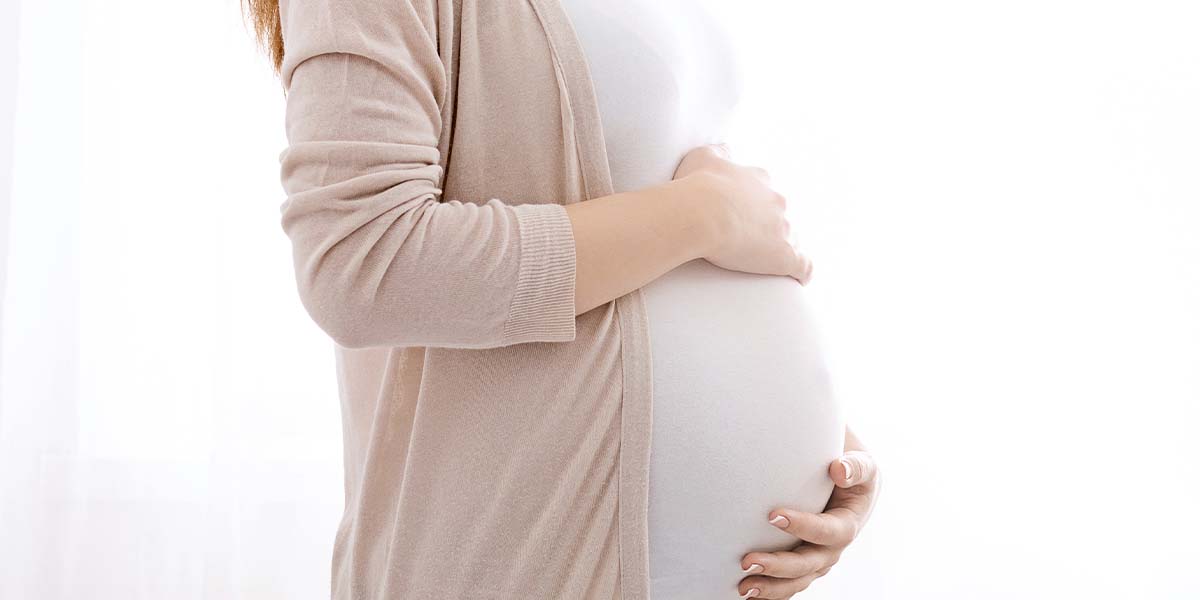
[vc_row][vc_column][vc_column_text]New research shows that up to 4 out of 5 pregnancy-related deaths are preventable.
Pregnancy is oftentimes known as a time in a woman’s life that is blissful and happy but that is not always the case. Although healthcare has advanced by leaps and bounds since the Middle Ages, pregnancy can still be dangerous. Some of the dangers of pregnancy are unavoidable while others can be avoided with early identification and treatment. The Centers for Disease Control and Prevention (CDC) released some alarming data in September 2022 related to pregnancy-related deaths.
According to the data, more than 80% of pregnancy-related deaths are preventable.1 This number is alarming. In a letter introducing the Blueprint for Addressing the Maternal Health Crises, Vice President Kamala Harris wrote, “Far too many women experience pain, neglect, and loss during what should be one of the most joyous times of their lives.”2
The study found that 53% of pregnancy-related deaths happen between seven days and one year after delivery, 22% of pregnancy-related deaths happened during pregnancy, and 25% happen on the day of delivery or up to a week afterward.1 The most common causes of pregnancy-related deaths were broken down into percentages.
- Mental Health Conditions (suicide, substance abuse, etc.) – 23%
- Hemorrhage – 14%
- Infection – 9%
- Thrombotic Embolism – 9%
- Cardiomyopathy – 9%
- High Blood Pressure Disorders – 7%1
This data is disturbing because a large number of these deaths are preventable. Previous data has shown that the United States (US) has much higher rates of pregnancy-related deaths compared to other countries. In the US, black women are three times more likely to die from pregnancy-related causes.2
These worrisome numbers need to improve. The CDC stated that everyone can help prevent pregnancy-related deaths by being aware of pregnancy-related complications, listening to the concerns of pregnant and postpartum women, and getting them professional help if needed.
Resources
- Centers for Disease Control and Prevention. (2022, September 19). Four in 5 pregnancy-related deaths in the U.S. are preventable. Centers for Disease Control and Prevention. Retrieved October 20, 2022
- McPhillips, D. (2022, September 20). 4 out of 5 pregnancy-related deaths in the US are preventable, CDC finds. CNN. Retrieved October 20, 2022
[/vc_column_text][/vc_column][/vc_row][vc_row css=”.vc_custom_1618658856512{margin-top: 75px !important;}”][vc_column][vc_text_separator title=”Services We Offer:”][vc_column_text]
Laparoscopy | Abnormal Bleeding | Menopause | Minimally Invasive Surgery | Contraception | Pap Smear | Pelvic Pain | Family Planning | STD Testing | Hormone Therapy | Hysterectomy | Infertility | 3D Mammography | Pregnancy & Prenatal Care | Preventive Screening
[/vc_column_text][vc_text_separator title=”Website Navigation:”][vc_column_text]
Home | About | OB Videos | Insurances Accepted | Blog | Providers | Michael Anthony, MD, FACOG | Noemi Maydew, MD, FACOG | Anne Bond Bonpain, MD, FACOG | Elita Wyckoff, MD, FACOG | Gilberto Rodrigo, MD, FACOG | Jennifer Fraley, MD, FACOG | Heather Flowers | Courtney Braswell | Services | Patient Care | Advanced Care Team | Testimonials | Contact Us | Patient Portal
[/vc_column_text][/vc_column][/vc_row]

by Marketing Manager | Oct 13, 2022 | Pregnancy, Women's Health
[vc_row][vc_column][vc_column_text]New research shows that pregnant women taking antidepressants are not linked with developmental disorders.
The safety of taking antidepressant medications during pregnancy has been questioned in the past. Many past studies have found links between antidepressants during pregnancy and developmental disorders in children but many of these older studies did not consider other factors such as obesity, medical conditions, environment, stress, and the effects of uncontrolled depression, anxiety, and other mental health disorders. According to a new research study, expectant mothers don’t need to worry anymore. The study was published in the JAMA Internal Medicine Journal and researchers looked at whether antidepressant exposure during pregnancy was linked with any risk of neurodevelopmental disorders in children.
It was a large study that followed over 145,000 women and their children for up to as long as 14 years in the United States. They concluded that using antidepressant medications during pregnancy was not linked with autism, attention-deficit hyperactivity disorder (ADHD), behavioral disorders, developmental speech, language, learning and coordination disorders, or intellectual disabilities. According to the Centers for Disease Control and Prevention (CDC), only a small number of antidepressants have been linked with an increased risk of birth defects and women should discuss their medications with their healthcare providers.
One of the researchers Dr. Elizabeth Suarez who is a professor at the Center for Pharmacoepidemiology and Treatment Sciences at Rutgers University told CNN, “Results of previous studies on this topic have presented conflicting results. Due to our large population size and careful study design, we believe that our study offers clarity that could help patients and provider make treatment decisions in pregnancy.1”
Other professionals in the women’s health field are happy with these results. Dr. Tiffany Moore Simas, told CNN, “I am grateful for this study. One in five perinatal individuals will experience a mental health condition. We must stop shaming them for doing what is needed to care for themselves. Healthy babies need healthy mothers.1” According to Dr. Moore Simas not treating a mother’s mental health has been associated with stillbirth, preterm birth, growth restriction, birth weight issues, impaired bonding, adverse neurodevelopmental outcomes, and increased risk of offspring mental health.
Many women continue to be concerned and wary of antidepressant medications during pregnancy. It is essential for expectant mothers to talk with their healthcare providers about their medications and possible risks.
To read the original article from CNN, click here.
Resources
- LaMotte, S. (2022, October 4). Pregnant and taking antidepressants? don’t worry about Neurodevelopment Harm, study says. CNN. Retrieved October 5, 2022
[/vc_column_text][/vc_column][/vc_row][vc_row css=”.vc_custom_1618658856512{margin-top: 75px !important;}”][vc_column][vc_text_separator title=”Services We Offer:”][vc_column_text]
Laparoscopy | Abnormal Bleeding | Menopause | Minimally Invasive Surgery | Contraception | Pap Smear | Pelvic Pain | Family Planning | STD Testing | Hormone Therapy | Hysterectomy | Infertility | 3D Mammography | Pregnancy & Prenatal Care | Preventive Screening
[/vc_column_text][vc_text_separator title=”Website Navigation:”][vc_column_text]
Home | About | OB Videos | Insurances Accepted | Blog | Providers | Michael Anthony, MD, FACOG | Noemi Maydew, MD, FACOG | Anne Bond Bonpain, MD, FACOG | Elita Wyckoff, MD, FACOG | Gilberto Rodrigo, MD, FACOG | Jennifer Fraley, MD, FACOG | Heather Flowers | Courtney Braswell | Services | Patient Care | Advanced Care Team | Testimonials | Contact Us | Patient Portal
[/vc_column_text][/vc_column][/vc_row]

by Marketing Manager | Sep 29, 2022 | Women's Health
[vc_row][vc_column][vc_column_text]A global survey found a decrease in some major factors that negatively affect women’s health. These factors not only affect women but also their families.
Medical tech company Hologic partnered with analytics company Gallup to do a global survey on women’s health. They surveyed over 66,000 women from 122 countries. The objective was to see if women’s health needs were being met in categories such as basic needs, general health, preventative care, mental health, and safety.1
The survey’s data revealed that the overall score for the Global Women’s Health Index was one point lower than the previous year. Taiwan, Latvia, Austria, and Denmark were the highest-ranked countries. Afghanistan, Congo, and Venezuela were some of the lowest-ranked countries. The United States (US) was ranked 23rd place on the list.1
The survey found that women are feeling more stressed, anxious, sad, and angry. Compared to men, women are more likely to not have enough money to afford basic necessities such as food. Approximately 1.5 billion women did not have access to preventive health care and less than 1 in 8 women had had any cancer screening during the last year.1
Dr. Susan Harvey, vice president of worldwide medical affairs at Hologic, told CNN, “Overall, the data is sobering. And we understand that we need women to be healthy to fully engage and be empowered. It’s clear that the time has come to work together and begin to find solutions and improve women’s health care.” 1
The United Nations is also aiming to improve many aspects of women’s health. Unfortunately, according to a report from UN Women and the UN Department of Economic and Social Affairs, gender equality will take centuries to achieve.1
The director of the Institute of Gender in Medicine at Charite Hospital in Berlin, Gertraud Stadler, told CNN “The economic and psychological burden of the pandemic will weigh down many households for a while, and we know that it particularly affected women. Women often have the role of health manager in their families and communities. And they are taking on a large share of care work, so children, partners and parents benefit as well from women’s health. My hope is that we come out stronger from the pandemic. The pandemic has brought the importance of preventive behaviors to more people’s attention. People learned a lot about the importance of joint action to protect each other.” 1
To read the original article from CNN click here.
Resources
- McPhillips, D. (2022, September 21). Women’s Health Got Worse in 2021, Global Survey finds. CNN. Retrieved September 22, 2022
[/vc_column_text][/vc_column][/vc_row][vc_row css=”.vc_custom_1618658856512{margin-top: 75px !important;}”][vc_column][vc_text_separator title=”Services We Offer:”][vc_column_text]
Laparoscopy | Abnormal Bleeding | Menopause | Minimally Invasive Surgery | Contraception | Pap Smear | Pelvic Pain | Family Planning | STD Testing | Hormone Therapy | Hysterectomy | Infertility | 3D Mammography | Pregnancy & Prenatal Care | Preventive Screening
[/vc_column_text][vc_text_separator title=”Website Navigation:”][vc_column_text]
Home | About | OB Videos | Insurances Accepted | Blog | Providers | Michael Anthony, MD, FACOG | Noemi Maydew, MD, FACOG | Anne Bond Bonpain, MD, FACOG | Elita Wyckoff, MD, FACOG | Gilberto Rodrigo, MD, FACOG | Jennifer Fraley, MD, FACOG | Heather Flowers | Courtney Braswell | Services | Patient Care | Advanced Care Team | Testimonials | Contact Us | Patient Portal
[/vc_column_text][/vc_column][/vc_row]