Family Planning: Making Informed Choices for Your Reproductive Future

Family Planning: Making Informed Choices for Your Reproductive Future

Family planning is a deeply personal process that allows individuals and couples to make intentional decisions about if, when, and how to grow their families. Whether you are considering pregnancy now, planning for the future, or choosing to prevent pregnancy, family planning services play a vital role in supporting reproductive health at every stage of life.

At Cary OB/GYN, we believe that informed choices and personalized care are the foundation of effective family planning. Our goal is to provide guidance, education, and medical expertise so patients feel confident in their decisions and supported throughout their reproductive journey.

All of my questions were answered and I was able to be seen shortly after requesting an appointment.”
Cary OB/GYN Patient Review

What Is Family Planning?

Family planning refers to the use of medical care, education, and resources to help individuals achieve their reproductive goals. This may include:

  • Planning for pregnancy
  • Preventing pregnancy
  • Spacing pregnancies safely
  • Addressing fertility concerns
  • Managing reproductive health conditions


Family planning is not a one-size-fits-all approach. Needs and priorities can change over time, making ongoing conversations with your OB/GYN essential.

Why Family Planning Matters

Thoughtful family planning supports both short-term and long-term health. It allows individuals to:

  • Prepare physically and emotionally for pregnancy
  • Reduce health risks associated with closely spaced or unintended pregnancies
  • Manage chronic conditions before conception
  • Choose contraception that aligns with lifestyle and health needs
  • Feel empowered and informed about reproductive choices


By working with a trusted provider, patients can make decisions that support their overall well-being.

Planning for Pregnancy

For those hoping to conceive, family planning begins well before a positive pregnancy test.

Preconception Care

Preconception care focuses on optimizing health prior to pregnancy and may include:

  • Review of medical history and medications
  • Screening for chronic conditions such as diabetes or thyroid disease
  • Evaluation of menstrual cycles and ovulation
  • Genetic screening, when appropriate
  • Nutritional counseling and prenatal vitamin recommendations
  • Guidance on lifestyle factors such as exercise, stress, smoking, and alcohol use


Preparing in advance can help reduce pregnancy complications and support a healthy start.

Timing and Fertility Awareness

Understanding your menstrual cycle and identifying fertile windows can increase the chances of conception. Fertility awareness methods may involve:

  • Tracking menstrual cycles
  • Monitoring ovulation signs
  • Using ovulation predictor kits


If pregnancy does not occur within expected timeframes, your OB/GYN can help determine next steps.

When to Seek Fertility Evaluation

You may consider a fertility evaluation if:

  • You are under 35 and have been trying to conceive for 12 months
  • You are 35 or older and have been trying for 6 months
  • You have irregular periods or known reproductive conditions
  • You have a history of pelvic surgery or infections


Early evaluation allows for timely identification of potential concerns and treatment options.

Pregnancy Spacing and Reproductive Health

Spacing pregnancies appropriately is an important aspect of family planning. Adequate spacing can:

  • Reduce the risk of pregnancy complications
  • Support maternal recovery between pregnancies
  • Improve outcomes for future pregnancies


Your OB/GYN can help guide safe timing based on your individual health history and goals.

Preventing Pregnancy: Birth Control Options

Family planning also includes choosing effective contraception for those who are not planning pregnancy. There are many safe and reliable birth control options available, and the right choice depends on health, lifestyle, and personal preference.

Hormonal Birth Control

Hormonal methods work by preventing ovulation or altering the uterine environment and may include:

  • Birth control pills
  • Hormonal patches or vaginal rings
  • Hormonal intrauterine devices (IUDs)
  • Birth control injections


These methods are often chosen for their effectiveness and cycle regulation benefits.

Non-Hormonal Birth Control

For those who prefer to avoid hormones, non-hormonal options include:

  • Copper IUDs
  • Barrier methods such as condoms or diaphragms
  • Fertility awareness methods


Each option has unique advantages and considerations that can be discussed with your provider.

Long-Acting Reversible Contraception (LARC)

LARC methods, such as IUDs and implants, provide long-term pregnancy prevention with minimal maintenance. They are:

  • Highly effective
  • Reversible
  • Suitable for many women, including those who have not had children


These options are ideal for patients seeking reliable, low-maintenance contraception.

Family Planning at Different Life Stages

Family planning needs often evolve over time.

Teens and Young Adults

Education and access to contraception help prevent unintended pregnancy and support reproductive health awareness.

Women in Their 20s and 30s

This stage may involve pregnancy planning, contraception, or both. Career, relationships, and health considerations often influence decisions.

Women in Their 40s

Family planning may focus on preventing unintended pregnancy, managing perimenopausal changes, or addressing fertility concerns later in life.

Ongoing conversations with your OB/GYN help ensure your care aligns with your current goals.

Managing Health Conditions Through Family Planning

Certain medical conditions can affect family planning decisions, including:

  • Polycystic ovary syndrome (PCOS)
  • Endometriosis
  • Thyroid disorders
  • Hypertension or diabetes


Family planning visits allow providers to tailor contraception or fertility care while managing these conditions safely.

Emotional and Relationship Considerations

Family planning is not solely a medical decision. Emotional readiness, relationship dynamics, cultural values, and personal beliefs all play important roles. Open communication with your partner and provider can help navigate these complex factors.

Counseling or support services may also be beneficial when facing difficult decisions or fertility challenges.

The Role of Your OB/GYN in Family Planning

Your OB/GYN is a trusted partner in family planning. During visits, your provider can:

  • Answer questions and address concerns
  • Provide evidence-based recommendations
  • Adjust plans as your needs change
  • Ensure confidentiality and compassionate care


At Cary OB/GYN, we prioritize shared decision-making and personalized guidance.

Great visit they got me in and addressed my concerns and relayed the information to my doctor.”
Cary OB/GYN Patient Review

Taking the Next Step

Whether you are planning for pregnancy, seeking reliable birth control, or simply exploring your options, family planning is an ongoing process that benefits from expert support.

If you have questions about family planning or would like to schedule a consultation, the team at Cary OB/GYN is here to help you navigate your reproductive health with confidence and clarity.
Understanding Pelvic Pain: Causes, Evaluation, and Treatment Options

Understanding Pelvic Pain: Causes, Evaluation, and Treatment Options

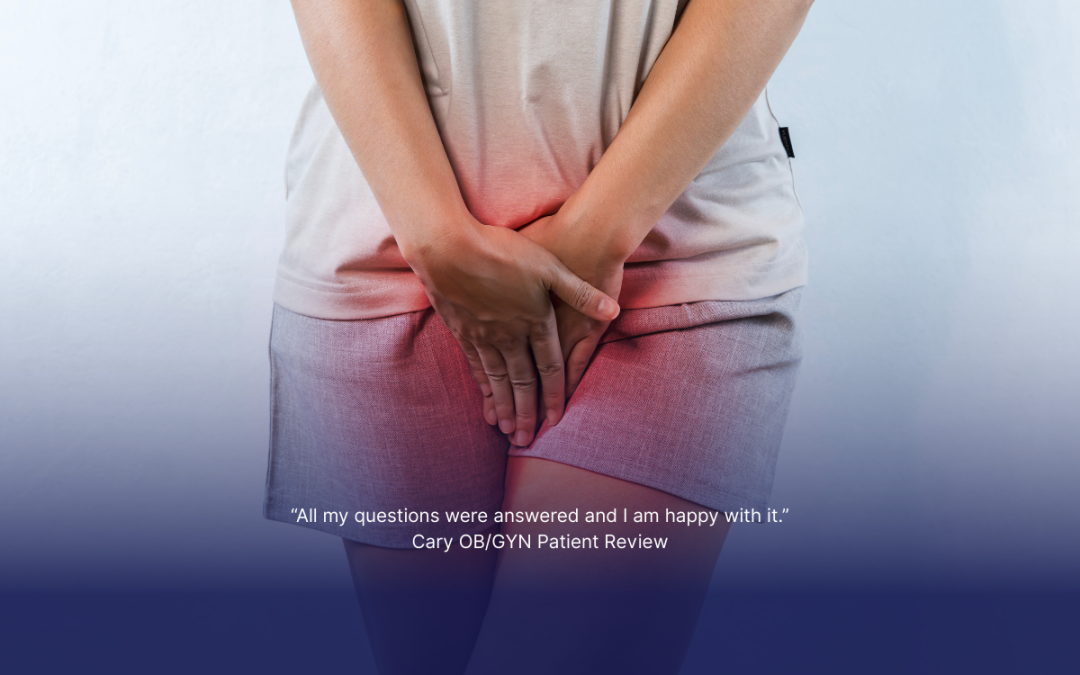
Pelvic pain is a common yet often misunderstood concern affecting women of all ages. Whether it’s a dull ache, sharp stabbing sensation, or persistent discomfort, pelvic pain can interfere with daily life, relationships, work, and emotional well-being. At Cary OB/GYN, we understand how disruptive pelvic pain can be — and we believe that every woman deserves a thorough evaluation, clear explanations, and individualized care.

This guide will help you understand what pelvic pain is, common causes, how it’s evaluated, and the treatment options available.

All my questions were answered and I am happy with it.”
Cary OB/GYN Patient Review

What Is Pelvic Pain?

Pelvic pain refers to any discomfort in the lower abdomen or pelvis — the area below the belly button and between the hips. Pain can be:

  • Acute: sudden and short-term
  • Chronic: lasting three months or longer
  • Continuous or intermittent

  • Mild or severe

Because the pelvic region houses various reproductive, urinary, digestive, and musculoskeletal structures, many different factors can contribute to pain in this area.

Common Causes of Pelvic Pain

Pelvic pain can originate from gynecologic, urinary, gastrointestinal, or musculoskeletal sources. Sometimes more than one factor contributes to symptoms.

Here are some of the most common causes:

1. Gynecologic Causes

  1. Endometriosis
    This condition occurs when tissue similar to the uterine lining grows outside the uterus, often on the ovaries, fallopian tubes, or pelvic lining. Endometriosis can cause painful periods, pain during intercourse, and chronic lower abdominal pain.
  2. Uterine Fibroids
    Fibroids are benign (noncancerous) growths in the uterus that can cause pelvic pressure, pain, heavy bleeding, and urinary symptoms depending on size and location.
  3. Ovarian Cysts
    Fluid-filled sacs on or within the ovaries can cause sharp or dull pelvic pain, especially if they enlarge, rupture, or cause the ovary to twist (ovarian torsion).
  4. Pelvic Inflammatory Disease (PID)
    PID is an infection of the female reproductive organs often linked to sexually transmitted infections. It can cause lower abdominal pain, fever, and abnormal vaginal discharge.
  5. Adenomyosis
    In this condition, endometrial tissue grows into the muscular wall of the uterus, leading to painful and heavy periods or chronic pelvic discomfort.

2. Urinary Causes

  1. Urinary Tract Infections (UTIs)
    Bladder infections can cause pain or burning with urination, pelvic pressure, and frequent urges to urinate.
  2. Interstitial Cystitis / Painful Bladder Syndrome
    A chronic condition causing pelvic pain, bladder pressure, and urinary urgency without infection.

3. Gastrointestinal Causes

Digestive issues can refer pain to the pelvis, including:

  • Irritable Bowel Syndrome (IBS)

  • Constipation

  • Inflammatory Bowel Disease (Crohn’s or ulcerative colitis)

  • Appendicitis or diverticulitis

These conditions may cause cramping, bloating, changes in bowel habits, or localized pelvic discomfort.

4. Musculoskeletal Causes

Pelvic pain may be related to muscle or skeletal issues:

  • Pelvic floor muscle dysfunction

  • Hip or lower back strain

  • Sacroiliac joint dysfunction

  • Posture-related muscle tension

Pelvic floor muscles support the bladder, uterus, and bowel. Dysfunction can lead to pain during daily activities or intercourse.

When to Seek Medical Evaluation

You should consider speaking with an OB/GYN if you experience:

  • Pain that interferes with daily life or sleep
  • Pain that lasts more than a few weeks
  • Severe pain with fever, vomiting, or dizziness
  • Pain accompanied by abnormal bleeding or discharge
  • Pain during intercourse or with urination
  • New or worsening symptoms


Early evaluation can help identify treatable conditions and prevent progression of underlying causes.

How Pelvic Pain Is Evaluated

A thorough evaluation typically includes:

  1. Medical History & Symptom Review
    Your provider will ask detailed questions about the location, timing, intensity, and triggers of your pain, as well as menstrual, sexual, urinary, and digestive health.
  2. Physical Examination
    A pelvic exam allows the provider to assess tenderness, masses, or structural abnormalities.
  3. Laboratory Testing
    Blood work and urine testing may identify infection, inflammation, or hormone irregularities.
  4. Imaging Studies
    Ultrasound, MRI, or other imaging may be used to visualize pelvic organs, reproductive structures, or soft tissues.
  5. Specialized Testing
    In some cases, minimally invasive procedures such as laparoscopy may be considered to directly observe pelvic structures, especially for suspected endometriosis or ovarian pathology.

Treatment Options for Pelvic Pain

Treatment depends on the underlying cause, severity, and individual patient goals. Options may include:

1. Medication Management

  • Anti-inflammatory medications (NSAIDs) for pain and inflammation
  • Antibiotics for infections
  • Hormonal therapies for conditions like endometriosis or fibroids
  • Muscle relaxants or nerve modulators for pelvic floor or neuropathic pain


2. Physical Therapy

Pelvic floor physical therapy can be highly effective for pain related to muscle tension, pelvic floor dysfunction, or post-surgical scar tissue. A trained therapist uses:

  • Targeted muscle relaxation techniques
  • Biofeedback
  • Posture and alignment training
  • Guided exercises


3. Minimally Invasive Procedures

Conditions such as fibroids, endometriosis, or ovarian cysts may be treated with laparoscopic surgery, which offers smaller incisions, faster recovery, and targeted intervention.

4. Lifestyle and Supportive Strategies

  • Diet modification to reduce bloating or digestive triggers
  • Stress management techniques (mindfulness, yoga, relaxation training)
  • Regular physical activity tailored to comfort and ability
  • Heat therapy or pelvic massage

Living with Chronic Pelvic Pain

Chronic pelvic pain — defined as pain lasting three months or longer — can be especially challenging. It can affect emotional health, relationships, intimacy, and quality of life. A multidisciplinary approach that includes medical care, physical therapy, pain management, and emotional support can help women regain function and comfort.

Support groups or counseling may also be helpful for women navigating the complexities of chronic pain.

What You Can Do Now

If you are experiencing pelvic pain:

  • Keep a symptom diary noting timing, activities, location, and triggers
  • Note any correlations with your menstrual cycle

  • Share all symptoms openly with your provider
  • Ask questions and seek clarity about your care plan
  • Advocate for your health and follow up if symptoms persist or worsen


You deserve care that listens to your experience and seeks answers.

Compassionate Care at Cary OB/GYN

Pelvic pain is not “just something you have to live with.” Many underlying causes can be properly diagnosed and effectively treated. At Cary OB/GYN, we take a comprehensive, patient-centered approach to evaluation and management — combining clinical expertise with empathy and education.

Whether you are dealing with new pelvic discomfort or chronic pain, we are here to support you through diagnosis, treatment, and long-term care.

Schedule an Evaluation

Don’t let pelvic pain go unaddressed. If you are experiencing ongoing discomfort or symptoms that are affecting your life, we encourage you to schedule an appointment with Cary OB/GYN. Together, we can identify the cause and create a personalized treatment plan that supports your health and quality of life.

Understanding the Causes of Infertility: A Guide for Women and Couples

Understanding the Causes of Infertility: A Guide for Women and Couples

Infertility can be a deeply emotional and often confusing experience for women and couples trying to conceive. When pregnancy doesn’t happen as expected, many questions arise: Why is this happening? Is something wrong? Where do we turn next? At Cary OB/GYN, we understand how challenging this journey can be. Our goal is to help you understand some of the common causes of infertility, what factors may be involved, and why seeking early evaluation is important.

Comfortable setting, long standing relationship with my doctor, able to share any concerns with her.”
Cary OB/GYN Patient Review

What Is Infertility?

Infertility is generally defined as the inability to achieve pregnancy after 12 months of regular, unprotected intercourse for women under age 35, or 6 months for women age 35 and older. Infertility affects approximately 10–15% of couples and can involve female factors, male factors, or a combination of both. Sometimes, no clear cause is immediately apparent—a situation known as unexplained infertility.

Understanding the possible causes can empower individuals and couples to make informed decisions and connect with the right care.

Female Factors Contributing to Infertility

While infertility can result from male, female, or blended factors, a significant proportion of cases involve issues related to the woman’s reproductive system. Here are some common female causes:

1. Ovulation Disorders

Ovulation is the process by which the ovaries release a mature egg each month. When ovulation is irregular or absent, pregnancy cannot occur. Common causes of ovulation disorders include:

  • Polycystic Ovary Syndrome (PCOS) — A hormonal imbalance that interferes with regular ovulation. PCOS is one of the most common causes of female infertility.
  • Premature Ovarian Insufficiency (POI) — Also known as premature menopause, this occurs when the ovaries stop functioning normally before age 40.
  • Hormonal Imbalances — Thyroid disorders, elevated prolactin levels, or other endocrine disruptions can also affect ovulation.

Symptoms of an ovulation disorder may include irregular periods, skipped cycles, or very light or heavy bleeding.

2. Tubal Factors and Blocked Fallopian Tubes

The fallopian tubes transport the egg from the ovary to the uterus. If the tubes are blocked or damaged, sperm cannot reach the egg, and fertilization cannot occur.

Common causes of tubal factor infertility include:

  • Prior pelvic infections, such as sexually transmitted infections (STIs) like chlamydia or gonorrhea
  • Endometriosis, which can cause scar tissue and adhesions
  • Previous abdominal or pelvic surgery, which may create adhesions

A hysterosalpingogram (HSG) or other imaging tests can help evaluate the patency of the fallopian tubes.

3. Endometriosis

Endometriosis is a condition where tissue similar to the uterine lining grows outside the uterus. This tissue can implant on the ovaries, fallopian tubes, and pelvic lining, causing inflammation, scar tissue, and adhesions.

Endometriosis may interfere with:

  • Ovulation
  • Fallopian tube function
  • Fertilization
  • Implantation

Symptoms of endometriosis include painful periods, pain during intercourse, pelvic pain, or heavy bleeding, but some women have no symptoms at all.

4. Uterine or Cervical Abnormalities

Structural issues within the uterus or cervix can impact the ability to conceive and sustain a pregnancy. These may include:

  • Uterine fibroids — Non-cancerous growths that can distort the uterine cavity
  • Uterine polyps — Benign growths of the endometrial tissue
  • Congenital uterine anomalies — Variations in uterine shape or structure
  • Cervical factors — Issues with cervical mucus that may hinder sperm movement

These conditions can often be diagnosed through imaging tests like ultrasound or hysteroscopy.

5. Age-Related Infertility

Age is one of the most significant factors in female fertility. As women age, both the quantity and quality of eggs decline, particularly after age 35. This natural decline means:

  • Ovulation becomes less predictable
  • Risk of chromosomal abnormalities increases
  • Time to conception may lengthen

Women over age 35 who have been trying to conceive for 6 months without success are encouraged to seek evaluation sooner.

Male Factors Contributing to Infertility

Infertility is not solely a female issue. Male factors contribute to approximately 40–50% of infertility cases. Common male causes include:

1. Sperm Production Problems

Problems with sperm production or quality can reduce the likelihood of fertilizing an egg. These may include:

  • Low sperm count
  • Poor sperm motility (movement)
  • Abnormal sperm morphology (shape)

Semen analysis is a key diagnostic test to evaluate sperm health.

2. Varicocele

A varicocele is an enlargement of the veins within the scrotum that can raise testicular temperature and negatively impact sperm production. Varicoceles are a common reversible cause of male infertility and may be surgically corrected.

3. Hormonal Imbalances and Medical Conditions

Sperm production and function are regulated by hormones. Conditions affecting the pituitary gland, thyroid, or testosterone levels can disrupt normal sperm development. Chronic illnesses, medications, and lifestyle factors may also influence fertility.

Combined and Unexplained Infertility

In many cases, infertility may be due to a combination of male and female factors. For others, standard testing may not identify a specific cause—this is referred to as unexplained infertility. Even in these instances, couples can often achieve pregnancy with targeted interventions and support.

Diagnostic Evaluation: Finding the Underlying Cause

When a couple is unable to conceive after a period of trying, a comprehensive fertility evaluation may be recommended. This typically includes:

  • Medical history and physical exam
  • Ovulation testing
  • Blood work for hormone levels
  • Ultrasound imaging
  • Hysterosalpingogram (HSG) to assess fallopian tubes
  • Semen analysis for the male partner

Accurate diagnosis sets the foundation for a personalized treatment plan.

Treatment Approaches for Infertility

Once underlying factors are identified, treatment options may include:

  • Lifestyle modifications (nutrition, exercise, stress management)
  • Ovulation induction medications
  • Surgical interventions for tubal or uterine issues
  • Assisted reproductive technologies (ART) such as intrauterine insemination (IUI) or in-vitro fertilization (IVF)
  • Male factor treatments, including varicocele repair or assisted sperm techniques

Modern fertility care offers a range of options tailored to individual circumstances.

Emotional and Supportive Care

Infertility is not just a physical challenge—it can also be emotionally demanding. Feelings of frustration, grief, or anxiety are common. At Cary OB/GYN, we encourage open communication and holistic support, including:

  • Counseling or support groups
  • Stress-reduction strategies
  • Partner involvement and shared decision-making

Fertility challenges are deeply personal, and compassionate care remains a cornerstone of successful support.

When to Seek Help

You may consider seeking an evaluation if:

  • You have been trying to conceive for 12 months (under age 35)
  • You have been trying to conceive for 6 months (age 35 or older)
  • You have known reproductive or medical conditions
  • You experience irregular periods or ovulatory issues
  • You have a history of pelvic infections or surgeries
  • You have a partner with abnormal semen analysis results

Early evaluation can identify contributing factors and expand treatment options.

Dr. Wycoff is a phenomenal doctor who cares about her patients. She makes the annual exam less intimidating and fearful. She has been a great listener and advocate when I have needed to address physical issues.”

Moving Forward: Hope and Support

Infertility can feel overwhelming, but understanding the potential causes and treatment pathways can help restore a sense of direction and hope. Progress in reproductive medicine, combined with personalized care, supports many women and couples in achieving pregnancy.

At Cary OB/GYN, we are committed to guiding patients through evaluation, education, and treatment with empathy, expertise, and individualized care. If you have questions about fertility or are ready to take the next step, we encourage you to reach out for a comprehensive evaluation and supportive consultation.

Why the New Year is the Perfect Time to Plan Your Well-Woman Visit

Why the New Year is the Perfect Time to Plan Your Well-Woman Visit

As the calendar turns, many of us think about resolutions, better habits, improved self-care, and prioritizing mental health. For women, the start of a new year is a great opportunity to schedule your annual well-woman exam. A well-woman visit isn’t just about routine checkups; it’s a cornerstone of long-term health, helping catch potential issues early, maintain preventive care, and set the tone for the year ahead.

At Cary OB/GYN, the team is committed to partnering with women at all stages of life to achieve and maintain superior health. Our comprehensive offerings from annual gynecologic exams to 3D mammography, bone density assessments, family planning, and more make them a strong ally for regular preventive care.

Here’s why now  and planning matter:

  • Prevention is more effective than reaction. Routine screenings and check-ups help spot silent issues early when treatment is simpler.
  • Timing helps avoid delays. New year's often mean busy schedules, holidays, and vacations. Scheduling early ensures you don’t miss your annual check.
  • Holistic health check. A well-woman visit allows you to assess not just reproductive health, but mental health, chronic disease risk (heart health, bone health, metabolic indicators), and overall wellness.
  • Long-term health planning. It’s a chance to review birth control or family planning goals, discuss perimenopause/menopause if relevant, plan screening timelines (e.g., mammograms), and update preventive screening schedules. At Cary OB/GYN, such services are part of their comprehensive care.

“Provider was very kind and thorough. She visited and was fantastic! All support staff were friendly and efficient.”
Cary OB/GYN Patient Review

What a Well-Woman Visit Typically Includes (and What to Consider)

So what actually happens at a well-woman visit, and what should you prepare for? Depending on your age, health history, and medical needs, each visit may look different. According to guidance from professional organizations and the protocol at practices like Cary OB/GYN: 

Comprehensive Health Review

  • Medical history update review of personal and family health history, menstrual/reproductive history, lifestyle factors, medications, allergies, mental health, etc.
  • Discussion about your goals, contraception, fertility, pregnancy planning, perimenopause or menopause, sexual health, and mental/emotional wellness. A well-woman visit is your chance to ask questions and raise concerns. 

Physical and Preventive Screenings

Depending on your age, risk factors, and what’s due:

  • Pelvic exam & Pap smear (or HPV test)  for cervical health screening. 
  • Breast exam and mammography. At Cary OB/GYN, 3D mammography is offered in-office, which simplifies scheduling breast-health screening. 
  • Vital signs & general health screening: blood pressure, BMI, basic labs, possibly blood glucose or lipid screening depending on age and history. 
  • Bone health, metabolic, and chronic-disease risk screening, bone density (if indicated), glucose or cholesterol tests, and general wellness labs are often part of a preventive screening plan at Cary OB/GYN. 
  • STI, urinary, or other health screenings if needed. Practices may include STD testing, urinalysis, or other age/risk-appropriate labs. 

Counseling & Lifestyle Review

  • Sexual and reproductive counseling, birth control, family planning, preconception, fertility planning, or menopause management as relevant. Cary OB/GYN offers family planning services and preconceptual counseling.
  • Lifestyle & mental/ emotional health checks. A well-woman visit includes opportunities to discuss mental health, stress, lifestyle habits (diet, exercise, sleep), and preventive health practices.
  • Health education & preventive guidance. Based on screenings and history, your provider may recommend vaccines, lifestyle changes, or schedule follow-ups for bone density, gynecologic health, or other preventive needs. 

How to Plan & Prepare for Your 2026 Well-Woman Visit

To make the most of your well-woman visit and to ensure it’s as effective and stress-free as possible, planning helps. Here’s a step-by-step guide inspired by best practices and what Cary OB/GYN offers.

Step 1: Decide Your Timing. Aim for Q1 or Early in the Year

  • Use the start of the calendar year as your health reset.
  • Booking early helps avoid holiday-season backlog, ensures you stay on track for annual screening, and aligns preventive visits with insurance cycles (many plans reset in January).
  • If you missed your 2025 exam, make your 2026 appointment as soon as possible. Don’t wait until symptoms arise.

Step 2: Make a Pre-Visit Checklist

Before your visit, prep a short list of:

  • Any symptoms you’ve noticed over the past year (menstrual changes, pain, mood, skin, bone or joint issues, etc.)
  • Questions or goals: contraception, fertility, menopause, mental health, birth control review, lifestyle changes
  • Medical history and family history updates, including chronic disease history (diabetes, heart disease, cancer)
  • Lifestyle habits & concerns: diet, stress, sleep, exercise, tobacco/alcohol use, etc.
  • Any medications, supplements, or hormonal therapies you’re using

This helps your provider tailor screenings and address your specific health goals during the visit.

Step 3: Know What Screenings You Might Need

Depending on your age, history, and risk factors, your well-woman visit may include:

  • Pap smear / HPV test / pelvic exam
  • Breast exam and possibly mammography (Cary OB/GYN offers 3D mammogram in-house)
  • Blood pressure, glucose, cholesterol, or other metabolic labs 
  • Bone density or bone-health discussion (especially if risk factors are present) 
  • STD or other relevant screenings based on activity and history 

Step 4: Use the Visit to Discuss Your Broader Health Goals

A well-woman visit isn’t just about disease screening; it’s a moment to check in on overall wellness. Consider discussing with your OB/GYN:

  • Birth control or family-planning intentions (whether preventing or preparing for pregnancy), Cary OB/GYN’s family planning services can support those needs. 
  • Hormonal changes, PMS/PMDD, perimenopause/menopause, menstrual irregularities
  • Mental health, stress, sleep, and lifestyle balance because women’s health is holistic, and Cary OB/GYN emphasizes mental wellness as part of care.
  • Nutrition, bone health, and cardiovascular health  to prevent chronic disease and support long-term wellness

“Minimal wait time. Dr Wyckoff is efficient and knowledgeable. I was way overdue for a mammogram/breast ultrasound, and Dr Wyckoff sent me down for these screenings immediately after my visit.”
Cary OB/GYN Patient Review

Why Well-Woman Visits Matter

Setting aside time for your well-woman visit is one of the most proactive things you can do for your long-term health. Here’s why:

Early Detection Saves Lives

Many conditions cervical or breast cancer, metabolic diseases, bone loss, and heart disease, may not show symptoms early. Regular preventive screening significantly increases the chances of detecting issues early, when treatments are most effective.

Personalized Health Roadmap

Every woman’s health journey is unique. A well-woman visit helps tailor care screening frequency, preventive tests, lifestyle advice, and reproductive planning based on your age, risk factors, and goals. 

Continuity of Care and Comfort

When you see the same OB/GYN or practice regularly, you build trust. That continuity means your provider knows your history, past tests, family history, and preferences, which makes discussions about sensitive issues (sexual health, mental health, contraception, menopause) easier and more effective. 

Holistic Approach: Beyond Reproductive Health

Women’s health isn’t just about reproductive organs; it includes mental health, bone and metabolic health, preventive screenings, chronic disease risk, and lifestyle counseling. A well-woman visit provides space to address all of that. At Cary OB/GYN, such comprehensive care is part of their philosophy. 

Common Barriers  And How to Overcome Them When Planning Your Visit

It’s not uncommon for women to skip well-woman visits for many reasons. But being aware of barriers helps you plan better.

Barrier

How to Overcome / Plan Ahead

Busy schedule, work, holidays

Schedule early in the year; treat it like a resolution; book ahead via patient portal or phone (Cary OB/GYN offers an online patient portal for convenient appointment requests). 

Feeling healthy, “no need” to go

Preventive health catches silent conditions; early detection leads to better outcomes. 

Anxiety or discomfort about exams

Talk openly with your provider; well-woman visits are meant to be comfortable and comprehensive, including counseling and shared decision-making. 


Cary OB/GYN: Services That Support You

Choosing a full-service women’s health practice like Cary OB/GYN can simplify your preventive care. Here’s how:

  • In-office 3D Mammography breast screening becomes more convenient when offered in the same practice as your annual visit. 
  • Comprehensive services across life stages from adolescence, through reproductive years, pregnancy, menopause, and ging, so you don’t need multiple providers.
  • A patient portal for easy scheduling, communication, and access to results makes maintaining a regular preventive schedule much smoother. 
  • A holistic approach that includes emotional and mental wellness because women’s health is more than physical exams; it’s about overall well-being.

Your New Year Well-Woman Visit Checklist

If you’re ready to plan your visit, here’s a quick checklist you can use:

  • Review your health history & any changes (medical, medications, allergies, family history)
  • List any symptoms or concerns: menstrual changes, mood, sleep, bone/joint, libido, skin, anything new or persisting.
  • List your health goals for the year: contraception, fertility planning, pregnancy, menopause management, and lifestyle changes.
  • Note last screening dates: Pap, mammogram, bone-density, labs, and determine what’s due.
  • Prepare questions: immunizations, birth control options, mental health support, lifestyle guidance (nutrition, exercise), and a preventive screening schedule.
  • Schedule the visit  ideally by Q1 to stay on track for annual care

Planning a well-woman visit might seem routine, but it’s one of the most powerful steps you can take for your long-term health. It’s proactive, preventive, and personalized care that can catch silent issues early and give you peace of mind.

If you’re in the Cary / Morrisville area or considering partnering with a women's health practice, Cary OB/GYN offers a broad, thoughtful, and comprehensive approach. From in-office 3D mammography and family planning to midwifery, menopause care, and ongoing women’s wellness, they’re equipped to support you at every life stage. 

As the new year begins, consider starting it with one of the most important resolutions of all: investing in your health, scheduling your well-woman visit, and setting a foundation for wellness for the year ahead.

Why the Holidays Can Be Especially Stressful For Women

Why the Holidays Can Be Especially Stressful For Women

The holiday season  with its parties, family gatherings, travel, budgeting, meal planning, gift-giving, and trying to do it all  can look joyful on the outside, but for many women it comes with a heavy mental, emotional, and physical burden. Surveys support that: a recent study by American Heart Association found that 79% of people say they overlook their health needs during the holidays because they’re so busy with festivities  and many report that the holidays are more stressful than tax season.

For women  especially those balancing family, work, hormonal changes, or health issues  holiday stress can have outsized impacts. At Cary OB/GYN, our providers emphasize that mental wellness belongs in every OB/GYN conversation. That’s because stress affects not just mood, but sleep, hormones, menstrual cycles, immune function, and even long-term health outcomes. 

Here’s a closer look at how holiday stress uniquely affects women  and how to manage it with compassion, self-care, and smart planning.

How Holiday Stress Can Hurt Women’s Health: Short-Term and Long-Term Effects

Emotional and Mental Health Toll

  • Increased anxiety, irritability, mood swings, depression: The combination of social expectations, financial pressure, family dynamics, and fatigue can be emotionally overwhelming.
  • Exhaustion and burnout: Trying to be everything  host events, shop for gifts, manage family expectations  often leads to overwork and depleted energy. After the rush, many women report needing weeks to “recover” emotionally. 
  • Sleep disturbances: Late nights, irregular schedules, stress, and travel during holidays can disrupt sleep  which in turn worsens mood, hormonal balance, and overall well-being.

Physical & Biological Impacts

Chronic or repeated holiday stress doesn’t just hurt emotionally  it can trigger real physical health effects:

  • Hormonal imbalance: Stress affects cortisol and other hormones  which can aggravate menstrual irregularities, worsen pre-menstrual symptoms (PMS/PMDD), or affect perimenopausal/menopausal hormonal fluctuations. At Cary OB/GYN, hormonal and emotional health are considered together when addressing women’s wellness. 
  • Weakened immune system: Stress can impair immune function, making you more vulnerable to illness  especially when combined with disrupted sleep, skipped self-care, and irregular nutrition.
  • Digestive issues and fatigue: Irregular meals, holiday indulgence, dehydration or poor sleep can worsen digestion, energy levels, and overall physical comfort.
  • Neglected preventive health: The very time of year when many skip regular checkups, screenings, or self-care  which can delay detection or management of chronic conditions.

Given these risks, health professionals like those at Cary OB/GYN view the holiday period as a critical time to double down on preventive care  mental, physical, and gynecologic alike.

Dr. Wyckoff is a very patient and thorough provider. She ensured all of my questions were answered and considered all necessary information to make an informed plan for the betterment of my health.”
Cary OB/GYN Patient Review

Why Women Are Often Especially Vulnerable  And Why Care Matters

Many structural and social factors make women more likely to feel the bulk of holiday stress:

  • Caretaker roles: Women often juggle family, children, home responsibilities, cooking, hosting, gift-giving  on top of their jobs and personal health goals.
  • Hormonal sensitivity: Fluctuating hormones  due to menstrual cycles, pregnancy, postpartum, perimenopause/menopause  can make stress impact mood, energy, sleep, and physical health more strongly.  At Cary OB/GYN, we treat emotional wellness and hormone care as deeply interconnected.
  • Tendency to deprioritize self-care: Many women put others’ needs first  especially during holidays  often overlooking their own health, rest, and preventive care. As the AHA survey found, 79% of holiday participants say they deprioritize their health during the season.
  • Accumulated stress: For women already dealing with chronic health issues, fertility concerns, postpartum changes, or hormonal fluctuations  holiday stress adds to an existing burden, not a standalone challenge.

Because women often see their OB/GYN more frequently than other medical providers, practices like Cary OB/GYN consider emotional health, stress, and lifestyle as part of routine gynecologic care. Our holistic approach can help catch warning signs early  from mood disorders to menstrual irregularities  and support wellness before problems escalate.

Strategies for Managing Holiday Stress

Holiday survival isn’t about perfection. It’s about balance. Below are practical strategies  many drawn from the approach at Cary OB/GYN  for protecting your health, maintaining boundaries, and still (hopefully) enjoying the season.

1. Prioritize Mental Wellness: Speak Up & Plan Ahead

  • Acknowledge that stress is real and legitimate. Recognizing that holiday stress can and does affect health is the first step. At Cary OB/GYN, mental wellness is always on the agenda.
  • Set boundaries. It’s okay to say “no” to every social invite, extra task, or expectation. Less is more. Prioritize what’s meaningful.
  • Build a “stress toolkit.” Include restful rituals: warm baths, gentle movement, quiet time, journaling, meditation, reading, or anything that grounds you.
  • Sleep hygiene matters. Try to guard consistent sleep, even during busy holiday weeks it helps stabilize mood and hormonal balance.

2. Maintain Balanced Nutrition & Self-Care Habits

  • Eat mindfully. Holiday foods are tempting, but balance indulgence with nourishing meals (vegetables, lean protein, water, fiber). Avoid relying only on sugary, greasy, or heavy foods.
  • Hydrate, rest, and move gently. Drinking water, stretching or light movement, and resting when you can help support energy levels, digestion, and immune function.
  • Don’t skip your regular health routines. Preventive screenings, well-woman exams, hormone check-ins, and mental-health check-ups matter year-round, especially when stress levels are high. Practices like Cary OB/GYN offer accessible preventive services.

3. Be Intentional About Social & Emotional Load

  • Communicate with family or friends. Let loved ones know your limits. It’s easier to manage stress and expectations when you set boundaries and share your needs.
  • Schedule downtime as part of your plan. Put self-care breaks into your calendar, quiet mornings, low-key evenings, and rest days after events.
  • Focus on meaningful connection, not perfection. Holiday joy doesn’t require extravagance. Shared laughs, simple meals, and small traditions can matter more than elaborate plans.

4. Use Your Women’s Health Provider as a Resource

  • Talk about stress, mood changes, sleep, and hormones. At Cary OB/GYN, providers are open to discussing emotional wellness, stress impact, and hormone-related issues, not just reproductive care.
  • Book preventive screenings and wellness visits if due. Use the momentum of the new year to catch up or get ahead of screenings for breast health, Pap smear, metabolic labs, and chronic disease risk.
  • Ask for support or referrals when needed. If holiday stress is overwhelming or turning into anxiety, depression, or sleep problems, your OB/GYN can help coordinate mental-health care, therapy, or lifestyle adjustments.


Your Holiday Wellness Plan

Here’s a simple, realistic plan to help you navigate the holiday season while protecting your well-being:

Habit / Intention

Why It Matters

Set 1–2 real boundaries (e.g., only 2 holiday parties; skip cooking marathon)

Reduces overload, overcommitment, and emotional exhaustion

Prioritize 7–8 hours of sleep per night

Stabilizes mood, hormones, and stress resilience

Eat balanced meals most days, allowing occasional indulgence

Supports energy, digestion, and mood; reduces “holiday hangover.”

Schedule 15–30 min “me-time” daily or every other day (walk, read, rest)

Helps reset stress, calms the nervous system, supports mental health

Keep up hydration, movement, and self-care rituals

Maintains physical health, immune system, and hormone balance

Track any significant mood or physical changes (sleep, stress, cycles)

Helps you notice when stress becomes harmful; prepares for professional care if needed

Plan or schedule a wellness visit / preventive screening for early next year

Catch issues early; reinforce long-term health planning

The Cary OB/GYN Advantage

“I love Courtney and Trece, and everyone at Cary OBGYN. I have been a patient since 2002 and hope to be for many years to come.”
Cary OB/GYN Patient Review

Not all OB/GYN practices view women’s health holistically. But Cary OB/GYN stands out for our:

  • Integrating emotional and physical care: Their philosophy explicitly recognizes that mental wellness belongs in OB/GYN care.
  • Broad preventive services: From in-office 3D mammography to general women’s health screenings, fertility/family planning, and menopausal care, they support women at every life stage.
  • A supportive, listening-based approach: Providers aim to create a safe space where concerns about stress, mood, cycles, or lifestyle are validated, not dismissed.
  • Flexibility and resources: Access to nutritionists, lactation consultants, mental-health referrals, and a patient portal, making it easier to manage care even during busy seasons.

If you approach the holidays with awareness, balance, and support, you don’t have to weather the stress alone.

Holiday stress doesn’t have to derail your health. When you acknowledge the pressure, plan intentionally, and treat yourself with compassion, you can protect both physical and mental well-being.

Women often juggle more emotionally, physically, and socially, especially during the holiday season. That’s why our approach at Cary OB/GYN is integrating emotional care with gynecologic and preventive health matters more than ever.

If you find yourself overwhelmed this season with stress, fatigue, mood swings, or just feeling off, remember you’re not alone. Reach out for care, schedule a wellness visit, and treat yourself with the kindness and attention you deserve.

Here’s to a holiday season filled with balance, care, and calm.