
The Importance of Inclusive Gynecologic and Obstetric Care for African American Women

The Importance of Inclusive Gynecologic and Obstetric Care for African American Women

As we celebrate Black History Month, it is important to honor not only the historical contributions of African American women, but also to address the ongoing challenges they face within our health care system—particularly in gynecologic and obstetric care. At Cary OB/GYN, we believe that inclusive, culturally informed care is essential to improving health outcomes and dismantling the barriers that have long contributed to disparities in women’s health.

Achieving equitable care for African American women is not just a medical imperative, it is a matter of justice. Evidence shows that African American women experience markedly poorer outcomes in reproductive health, maternal care, and chronic disease management. Understanding why these disparities exist—and what can be done to address them—supports our commitment to comprehensive, compassionate care for all patients.

Dr. Maydew always asks pertinent questions to verify how I'm doing, and listens to my concerns and either acts on them or explains why it is ok.”
Cary OB/GYN Patient Review

Persistent Health Disparities in Gynecology and Obstetrics

Statistical data reveal striking differences in outcomes:

  • African American women are three to four times more likely to die from pregnancy-related causes than White women. This disparity in maternal mortality remains one of the most severe across all demographic health measures in the United States. 
  • Black women also experience higher rates of preterm birth, hypertensive disorders of pregnancy, and gestational complications—often independent of socioeconomic status or insurance coverage. 
  • Chronic health conditions that intersect with reproductive health, such as hypertension and cardiovascular disease, are more prevalent in African American communities and can worsen outcomes during pregnancy and postpartum recovery. 

These disparities are not merely statistical; they reflect real, lived differences in access to care, quality of clinical encounters, and overall health experiences.

Why Inclusive Care Matters

Inclusive gynecologic and obstetric care means culturally competent, respectful, evidence-based care that centers the individual experiences of patients. For African American women, inclusive care tackles several critical issues:

1. Identifying and Addressing Implicit Bias

Medical research increasingly acknowledges that implicit bias and structural racism influence patient care. These biases can affect diagnosis, treatment decisions, pain management, and interpersonal communication. For example, historical misconceptions about biological differences have, at times, shaped clinical judgment in ways that disadvantage Black patients. Clinicians trained to recognize and mitigate bias are better positioned to serve African American women effectively and equitably. 

  1. Creating Trust Through Communication

Trust is foundational to effective medical care. Yet many African American women report experiences of dismissal, miscommunication, or unequal treatment in clinical settings. Inclusive care practices emphasize listening to patients, validating their concerns, and partnering with them in shared decision-making. When patients feel heard and respected, they are more likely to engage proactively in their health care.

3. Prioritizing Cultural Humility

Cultural humility extends beyond awareness of differences; it requires ongoing self-reflection and learning by health care providers. Understanding the historical context of medical distrust—rooted in centuries of exploitation and discrimination in medical research and practice—helps clinicians provide care that acknowledges past harms and works toward rebuilding confidence in the system. ACOG supports lifelong education for clinicians on the role of bias, structural racism, and culturally informed care as part of improving patient outcomes. 

4. Responding to Social Determinants of Health

Health outcomes are shaped not only by clinical care but also by a range of social determinants—such as economic stability, housing, education, and access to nutritious food. Inclusive care models recognize these factors and connect patients with comprehensive resources and support systems that address needs beyond the exam room.

Action Steps for Patients and Providers

Meaningful improvement in reproductive health equity requires action on multiple fronts:

For Health Care Providers:

  • Commit to ongoing education on racial and gender disparities in women’s health.
  • Use data responsibly to understand and address disparities in care quality and outcomes.
  • Engage with community partners and patient advocates to design services that meet real patient needs.
  • Recruit and support diverse clinicians to strengthen cultural concordance and broaden representation in women’s health care. This can improve patient comfort and trust. 

For Patients:

  • Advocate for your care by asking questions, requesting clear explanations, and sharing your health history openly with your provider.
  • Seek support networks and community resources that can complement clinical care with education and emotional backing.
  • Understand your rights as a patient, including the right to respectful, unbiased care.

The Role of Cary OB/GYN

At Cary OB/GYN, inclusive care is part of our mission. We strive to create a clinical environment where every patient—especially those from historically marginalized communities—feels respected, understood, and supported. Our providers engage in evidence-based practices and ongoing cultural competence training to ensure that care delivery aligns with the needs and preferences of diverse patients.

We honor Black History Month by reaffirming our commitment to equity in gynecologic and obstetric care. This commitment includes:

  • Ensuring that clinical protocols recognize and respond to documented disparities in maternal health outcomes.
  • Supporting inclusive patient communication and shared decision-making.
  • Promoting education, advocacy, and outreach within the community.

Dr. Bonpain is the best. She is an excellent doctor, empathetic, kind and a great listener. As a patient, I feel seen.”
Cary OB/GYN Patient Review

A Call to Action

Black History Month is a time to celebrate achievement and confront ongoing challenges. In women’s health care, that includes recognizing that inclusive gynecologic and obstetric care is not optional—it is essential to improving outcomes for African American women and closing the gap in health disparities.

Health care systems, clinicians, and patients must work together to build trust, address bias, and ensure that every woman receives the dignified, comprehensive care she deserves. At Cary OB/GYN, we are honored to be part of that effort and to stand with African American women in pursuit of health equity—today and always.

Strong Hearts, Strong Lives: Why Cardiovascular Health Is Foundational to Women’s Health

Strong Hearts, Strong Lives: Why Cardiovascular Health Is Foundational to Women’s Health

February marks American Heart Month and the Go Red for Women® campaign—a national initiative led by the American Heart Association to raise awareness about heart disease in women. For many, discussions about women’s health focus on reproductive wellness, cancer screenings, or pregnancy care—and those are important. Yet cardiovascular health is equally critical, impacting women across all ages and life stages and intimately connected with reproductive well-being. At Cary OB/GYN, we believe that educating our patients about heart health is essential to supporting their long-term health and quality of life.

Heart disease is not a “man’s disease.” It is the leading cause of death among women in the United States, claiming more lives each year than all forms of cancer combined. Despite the magnitude of this risk, many women do not recognize cardiovascular disease as the top threat to their health, nor do they understand how gynecologic and reproductive factors fit into overall heart health. 

The reception was very nice and prompt! Dr. Bopaine is an excellent doctor. She’s always smiling, concerned about my health. She also takes time to listen to me if I have any questions.”
Cary OB/GYN Patient Review

Heart Disease in Women: A Real and Under-Recognized Threat

Cardiovascular disease encompasses many conditions that affect the heart and blood vessels, including coronary artery disease, stroke, and hypertension. Nearly one in five female deaths in the United States is due to heart disease. 

A key challenge is that heart disease often presents differently in women than in men. Symptoms may be subtler, such as fatigue, shortness of breath, or discomfort in areas like the jaw, neck, or back instead of the classic chest pain, leading to delayed diagnosis or misinterpretation. Women are also more likely to be underdiagnosed and undertreated for cardiovascular conditions, particularly in younger age groups. 

Despite this risk, less than 60 percent of women recognize heart disease as their number one killer, underscoring a critical gap in awareness. 

The Link Between Cardiovascular and Women’s Health

Understanding how heart health intersects with reproductive and gynecologic health can help women make proactive choices for long-term wellness.

Pregnancy and Future Heart Risk

Pregnancy is a profound physical stress test for the heart and vascular system. Certain pregnancy complications are associated with increased long-term cardiovascular risk, including:

  • High blood pressure during pregnancy (preeclampsia)
  • Gestational diabetes
  • Preterm delivery
    Women who experience these conditions are more likely to develop heart disease or stroke later in life. Awareness and follow-up care after these events are essential to reducing future risk. 

Hormonal Transitions

Hormonal changes throughout a woman’s life—from menarche to menopause—affect heart health. Early menopause (before age 45) has been linked with higher cardiovascular risk, likely due to reduced estrogen, which plays a role in maintaining healthy blood vessels. 

Shared Risk Factors

Many of the factors that contribute to gynecologic issues also overlap with cardiovascular risk, including:

  • High blood pressure and high cholesterol
  • Diabetes and metabolic syndrome
  • Obesity and physical inactivity
  • Smoking and exposure to environmental toxins
  • Stress and depression
    These conditions not only influence reproductive wellness but also directly affect heart and vascular health, creating a cycle that can undermine overall wellbeing if left unaddressed. 

Dr. Rodrigo was able to diagnose the issue and clearly explained the issue to me as well as potential causes. He also responded to my questions related to the recommendations. He demonstrated knowledge of the issue, the proposed solution and addressed all of my inquiries. I felt confident with his diagnosis and recommendation.’
Cary OB/GYN Patient Review

Prevention: Heart Health as a Lifelong Priority

The good news is that a significant proportion of cardiovascular disease is preventable with lifestyle changes and proactive care. The Go Red for Women initiative emphasizes not just awareness but action—encouraging women to know their risk and take steps to reduce it. 

Know Your Numbers

Regular screening for blood pressure, cholesterol, and blood sugar can identify problems early—often before symptoms develop. Understanding these numbers empowers women and clinicians to tailor prevention strategies.

Healthy Habits Every Day

Adopting heart-healthy behaviors benefits women at any age:

  • Balanced Nutrition: A diet rich in fruits, vegetables, whole grains, and lean proteins supports both cardiovascular and reproductive health.
  • Regular Physical Activity: At least 150 minutes per week of moderate exercise helps reduce blood pressure, improve cholesterol levels, and support weight management. 
  • Avoiding Tobacco: Smoking significantly increases cardiovascular risk and has been linked to poorer reproductive outcomes.
  • Managing Stress and Sleep: Chronic stress and poor sleep are associated with elevated blood pressure and inflammation, key contributors to heart disease.

Personalize Your Care

Women should view their OB/GYN as an integral part of their overall health care team. Regular gynecologic visits are opportunities to discuss cardiovascular risk factors, especially if reproductive health issues—like pregnancy complications or menstrual irregularities—have occurred. These discussions can lead to coordinated care with primary care or cardiology specialists when needed.

Advocacy and Education: A Shared Responsibility

Improving women’s heart health requires a cultural shift in how we talk about cardiovascular risk. Women must be encouraged to speak openly about heart health, to ask questions, and to advocate for comprehensive care. Events, community programs, and awareness campaigns like Go Red for Women play a vital role in reaching women where they live, work, and gather, reinforcing that cardiovascular health matters at every stage of life. 

Cardiovascular health is foundational to overall women’s health. When women understand their heart disease risk, recognize symptoms that are unique to them, and take proactive steps to manage that risk, they are better equipped to live full, healthy lives.

At Cary OB/GYN, we are committed to supporting our patients’ whole-body wellness. This Go Red for Women season, we encourage you to learn your risk, engage in heart-healthy habits, and partner with your health care team to protect your heart—today and into the future.

Hysteroscopy: A Minimally Invasive Tool for Diagnosing and Treating Uterine Conditions

Hysteroscopy: A Minimally Invasive Tool for Diagnosing and Treating Uterine Conditions

When symptoms such as abnormal bleeding, infertility, or unexplained pelvic discomfort arise, identifying the underlying cause is essential to effective treatment. Hysteroscopy is a minimally invasive procedure that allows OB/GYNs to closely examine the inside of the uterus and, in many cases, treat problems at the same time. For many women, hysteroscopy provides answers with less discomfort and faster recovery than traditional surgical approaches.

At Cary OB/GYN, hysteroscopy is an important diagnostic and treatment tool that helps us provide precise, personalized care while minimizing disruption to daily life.

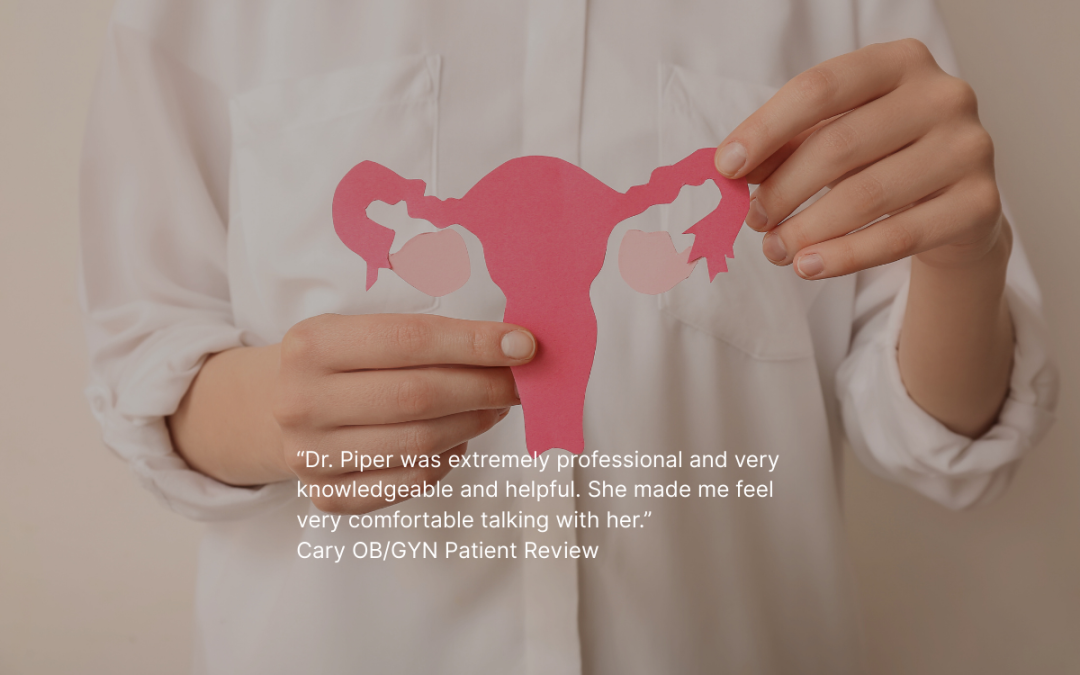
Dr. Piper was extremely professional and very knowledgeable and helpful. She made me feel very comfortable talking with her.”
Cary OB/GYN Patient Review

What Is Hysteroscopy?

Hysteroscopy is a procedure in which a thin, lighted instrument called a hysteroscope is gently inserted through the vagina and cervix into the uterus. The hysteroscope transmits images to a screen, allowing the provider to view the uterine cavity in real time.

Unlike some other procedures, hysteroscopy does not require any incisions. This makes it a minimally invasive option for evaluating and treating conditions affecting the uterus.

Why Might a Hysteroscopy Be Recommended?

Hysteroscopy may be recommended to diagnose or manage a variety of gynecologic concerns, including:

  • Abnormal uterine bleeding, such as heavy or irregular periods
  • Postmenopausal bleeding

  • Uterine polyps

  • Submucosal fibroids (fibroids that grow into the uterine cavity)
  • Infertility or recurrent pregnancy loss

  • Congenital uterine abnormalities

  • Retained pregnancy tissue

  • Intrauterine adhesions (scar tissue)

By allowing direct visualization of the uterine lining, hysteroscopy provides more detailed information than imaging alone in many cases.

Diagnostic vs. Operative Hysteroscopy

There are two primary types of hysteroscopy:

Diagnostic Hysteroscopy

This type is used to examine the uterus and identify abnormalities. It may be performed to investigate symptoms or clarify findings from ultrasound or other imaging tests.

Operative Hysteroscopy

If a problem is identified, operative hysteroscopy allows the provider to treat it during the same procedure. Specialized instruments can be passed through the hysteroscope to remove polyps, fibroids, or scar tissue.

Combining diagnosis and treatment in one procedure often reduces the need for additional surgeries.

What to Expect Before the Procedure

Preparation for hysteroscopy depends on the reason for the procedure and whether it is diagnostic or operative. Your provider may:

  • Review your medical history and symptoms
  • Perform a pelvic exam
  • Order imaging studies or lab tests
  • Discuss anesthesia options, which may range from local anesthesia to sedation


In some cases, hysteroscopy can be performed in the office. Other times, it may be scheduled in a surgical setting for patient comfort or safety.

What Happens During Hysteroscopy?

During the procedure:

  1. The cervix may be gently dilated if needed
  2. The hysteroscope is inserted through the vagina and cervix into the uterus
  3. A sterile fluid is introduced to expand the uterine cavity for better visibility
  4. The provider examines the uterine lining and openings of the fallopian tubes
  5. If operative hysteroscopy is planned, treatment is performed at this time


The procedure length varies but often takes less than 30 minutes.

Recovery After Hysteroscopy

Recovery is typically quick, especially for diagnostic hysteroscopy. Many patients experience:

  • Mild cramping
  • Light spotting
  • Temporary bloating or discomfort


Most women can return to normal activities within a day or two. Your provider will give specific post-procedure instructions, including guidance on activity level, sexual activity, and follow-up care.

Benefits of Hysteroscopy

Hysteroscopy offers several advantages compared to more invasive surgical approaches:

  • No incisions
  • Shorter recovery time
  • Reduced pain and scarring
  • Direct visualization of the uterine cavity
  • Ability to diagnose and treat conditions in one procedure


These benefits make hysteroscopy a preferred option for many uterine concerns.

Risks and Considerations

Hysteroscopy is generally safe, but as with any medical procedure, there are potential risks. These may include:

  • Infection
  • Bleeding
  • Uterine perforation (rare)
  • Fluid overload (rare)


Your OB/GYN will review these risks with you and determine whether hysteroscopy is appropriate based on your individual health profile.

Hysteroscopy and Fertility

For women experiencing infertility or recurrent pregnancy loss, hysteroscopy can play a critical role in identifying uterine factors that may interfere with implantation or pregnancy maintenance. Treating conditions such as polyps, fibroids, or adhesions can improve the chances of successful conception for some patients.

Your provider can discuss whether hysteroscopy may be beneficial as part of a fertility evaluation.

How Hysteroscopy Fits into Comprehensive Care

Hysteroscopy is often used alongside other diagnostic tools, such as ultrasound, endometrial biopsy, or hormone testing. At Cary OB/GYN, we take a comprehensive approach to women’s health, using the most appropriate tools to achieve accurate diagnosis and effective treatment.

Each care plan is tailored to the patient’s symptoms, goals, and overall health.

When to Talk to Your OB/GYN

You may want to discuss hysteroscopy with your OB/GYN if you experience:

  • Persistent or unexplained abnormal bleeding
  • Difficulty becoming or staying pregnant
  • Abnormal ultrasound findings
  • Postmenopausal bleeding
  • Pelvic pain linked to uterine abnormalities


Early evaluation can help prevent symptoms from worsening and support timely treatment.

Compassionate, Personalized Care at Cary OB/GYN

Facing gynecologic procedures can feel overwhelming, but understanding your options can help ease anxiety. At Cary OB/GYN, our team prioritizes patient education, comfort, and shared decision-making. We take the time to explain procedures like hysteroscopy, answer questions, and ensure patients feel confident in their care.

The doctor is always very professional and did the procedure quickly and efficiently.”
Cary OB/GYN Patient Review

Schedule a Consultation

If you have symptoms that may benefit from hysteroscopy or would like to learn more about this procedure, the providers at Cary OB/GYN are here to help. A consultation can determine whether hysteroscopy is the right next step for your care.

Family Planning: Making Informed Choices for Your Reproductive Future

Family Planning: Making Informed Choices for Your Reproductive Future

Family planning is a deeply personal process that allows individuals and couples to make intentional decisions about if, when, and how to grow their families. Whether you are considering pregnancy now, planning for the future, or choosing to prevent pregnancy, family planning services play a vital role in supporting reproductive health at every stage of life.

At Cary OB/GYN, we believe that informed choices and personalized care are the foundation of effective family planning. Our goal is to provide guidance, education, and medical expertise so patients feel confident in their decisions and supported throughout their reproductive journey.

All of my questions were answered and I was able to be seen shortly after requesting an appointment.”
Cary OB/GYN Patient Review

What Is Family Planning?

Family planning refers to the use of medical care, education, and resources to help individuals achieve their reproductive goals. This may include:

  • Planning for pregnancy
  • Preventing pregnancy
  • Spacing pregnancies safely
  • Addressing fertility concerns
  • Managing reproductive health conditions


Family planning is not a one-size-fits-all approach. Needs and priorities can change over time, making ongoing conversations with your OB/GYN essential.

Why Family Planning Matters

Thoughtful family planning supports both short-term and long-term health. It allows individuals to:

  • Prepare physically and emotionally for pregnancy
  • Reduce health risks associated with closely spaced or unintended pregnancies
  • Manage chronic conditions before conception
  • Choose contraception that aligns with lifestyle and health needs
  • Feel empowered and informed about reproductive choices


By working with a trusted provider, patients can make decisions that support their overall well-being.

Planning for Pregnancy

For those hoping to conceive, family planning begins well before a positive pregnancy test.

Preconception Care

Preconception care focuses on optimizing health prior to pregnancy and may include:

  • Review of medical history and medications
  • Screening for chronic conditions such as diabetes or thyroid disease
  • Evaluation of menstrual cycles and ovulation
  • Genetic screening, when appropriate
  • Nutritional counseling and prenatal vitamin recommendations
  • Guidance on lifestyle factors such as exercise, stress, smoking, and alcohol use


Preparing in advance can help reduce pregnancy complications and support a healthy start.

Timing and Fertility Awareness

Understanding your menstrual cycle and identifying fertile windows can increase the chances of conception. Fertility awareness methods may involve:

  • Tracking menstrual cycles
  • Monitoring ovulation signs
  • Using ovulation predictor kits


If pregnancy does not occur within expected timeframes, your OB/GYN can help determine next steps.

When to Seek Fertility Evaluation

You may consider a fertility evaluation if:

  • You are under 35 and have been trying to conceive for 12 months
  • You are 35 or older and have been trying for 6 months
  • You have irregular periods or known reproductive conditions
  • You have a history of pelvic surgery or infections


Early evaluation allows for timely identification of potential concerns and treatment options.

Pregnancy Spacing and Reproductive Health

Spacing pregnancies appropriately is an important aspect of family planning. Adequate spacing can:

  • Reduce the risk of pregnancy complications
  • Support maternal recovery between pregnancies
  • Improve outcomes for future pregnancies


Your OB/GYN can help guide safe timing based on your individual health history and goals.

Preventing Pregnancy: Birth Control Options

Family planning also includes choosing effective contraception for those who are not planning pregnancy. There are many safe and reliable birth control options available, and the right choice depends on health, lifestyle, and personal preference.

Hormonal Birth Control

Hormonal methods work by preventing ovulation or altering the uterine environment and may include:

  • Birth control pills
  • Hormonal patches or vaginal rings
  • Hormonal intrauterine devices (IUDs)
  • Birth control injections


These methods are often chosen for their effectiveness and cycle regulation benefits.

Non-Hormonal Birth Control

For those who prefer to avoid hormones, non-hormonal options include:

  • Copper IUDs
  • Barrier methods such as condoms or diaphragms
  • Fertility awareness methods


Each option has unique advantages and considerations that can be discussed with your provider.

Long-Acting Reversible Contraception (LARC)

LARC methods, such as IUDs and implants, provide long-term pregnancy prevention with minimal maintenance. They are:

  • Highly effective
  • Reversible
  • Suitable for many women, including those who have not had children


These options are ideal for patients seeking reliable, low-maintenance contraception.

Family Planning at Different Life Stages

Family planning needs often evolve over time.

Teens and Young Adults

Education and access to contraception help prevent unintended pregnancy and support reproductive health awareness.

Women in Their 20s and 30s

This stage may involve pregnancy planning, contraception, or both. Career, relationships, and health considerations often influence decisions.

Women in Their 40s

Family planning may focus on preventing unintended pregnancy, managing perimenopausal changes, or addressing fertility concerns later in life.

Ongoing conversations with your OB/GYN help ensure your care aligns with your current goals.

Managing Health Conditions Through Family Planning

Certain medical conditions can affect family planning decisions, including:

  • Polycystic ovary syndrome (PCOS)
  • Endometriosis
  • Thyroid disorders
  • Hypertension or diabetes


Family planning visits allow providers to tailor contraception or fertility care while managing these conditions safely.

Emotional and Relationship Considerations

Family planning is not solely a medical decision. Emotional readiness, relationship dynamics, cultural values, and personal beliefs all play important roles. Open communication with your partner and provider can help navigate these complex factors.

Counseling or support services may also be beneficial when facing difficult decisions or fertility challenges.

The Role of Your OB/GYN in Family Planning

Your OB/GYN is a trusted partner in family planning. During visits, your provider can:

  • Answer questions and address concerns
  • Provide evidence-based recommendations
  • Adjust plans as your needs change
  • Ensure confidentiality and compassionate care


At Cary OB/GYN, we prioritize shared decision-making and personalized guidance.

Great visit they got me in and addressed my concerns and relayed the information to my doctor.”
Cary OB/GYN Patient Review

Taking the Next Step

Whether you are planning for pregnancy, seeking reliable birth control, or simply exploring your options, family planning is an ongoing process that benefits from expert support.

If you have questions about family planning or would like to schedule a consultation, the team at Cary OB/GYN is here to help you navigate your reproductive health with confidence and clarity.

Understanding Pelvic Pain: Causes, Evaluation, and Treatment Options

Understanding Pelvic Pain: Causes, Evaluation, and Treatment Options

Pelvic pain is a common yet often misunderstood concern affecting women of all ages. Whether it’s a dull ache, sharp stabbing sensation, or persistent discomfort, pelvic pain can interfere with daily life, relationships, work, and emotional well-being. At Cary OB/GYN, we understand how disruptive pelvic pain can be — and we believe that every woman deserves a thorough evaluation, clear explanations, and individualized care.

This guide will help you understand what pelvic pain is, common causes, how it’s evaluated, and the treatment options available.

All my questions were answered and I am happy with it.”
Cary OB/GYN Patient Review

What Is Pelvic Pain?

Pelvic pain refers to any discomfort in the lower abdomen or pelvis — the area below the belly button and between the hips. Pain can be:

  • Acute: sudden and short-term
  • Chronic: lasting three months or longer
  • Continuous or intermittent

  • Mild or severe

Because the pelvic region houses various reproductive, urinary, digestive, and musculoskeletal structures, many different factors can contribute to pain in this area.

Common Causes of Pelvic Pain

Pelvic pain can originate from gynecologic, urinary, gastrointestinal, or musculoskeletal sources. Sometimes more than one factor contributes to symptoms.

Here are some of the most common causes:

1. Gynecologic Causes

  1. Endometriosis
    This condition occurs when tissue similar to the uterine lining grows outside the uterus, often on the ovaries, fallopian tubes, or pelvic lining. Endometriosis can cause painful periods, pain during intercourse, and chronic lower abdominal pain.
  2. Uterine Fibroids
    Fibroids are benign (noncancerous) growths in the uterus that can cause pelvic pressure, pain, heavy bleeding, and urinary symptoms depending on size and location.
  3. Ovarian Cysts
    Fluid-filled sacs on or within the ovaries can cause sharp or dull pelvic pain, especially if they enlarge, rupture, or cause the ovary to twist (ovarian torsion).
  4. Pelvic Inflammatory Disease (PID)
    PID is an infection of the female reproductive organs often linked to sexually transmitted infections. It can cause lower abdominal pain, fever, and abnormal vaginal discharge.
  5. Adenomyosis
    In this condition, endometrial tissue grows into the muscular wall of the uterus, leading to painful and heavy periods or chronic pelvic discomfort.

2. Urinary Causes

  1. Urinary Tract Infections (UTIs)
    Bladder infections can cause pain or burning with urination, pelvic pressure, and frequent urges to urinate.
  2. Interstitial Cystitis / Painful Bladder Syndrome
    A chronic condition causing pelvic pain, bladder pressure, and urinary urgency without infection.

3. Gastrointestinal Causes

Digestive issues can refer pain to the pelvis, including:

  • Irritable Bowel Syndrome (IBS)

  • Constipation

  • Inflammatory Bowel Disease (Crohn’s or ulcerative colitis)

  • Appendicitis or diverticulitis

These conditions may cause cramping, bloating, changes in bowel habits, or localized pelvic discomfort.

4. Musculoskeletal Causes

Pelvic pain may be related to muscle or skeletal issues:

  • Pelvic floor muscle dysfunction

  • Hip or lower back strain

  • Sacroiliac joint dysfunction

  • Posture-related muscle tension

Pelvic floor muscles support the bladder, uterus, and bowel. Dysfunction can lead to pain during daily activities or intercourse.

When to Seek Medical Evaluation

You should consider speaking with an OB/GYN if you experience:

  • Pain that interferes with daily life or sleep
  • Pain that lasts more than a few weeks
  • Severe pain with fever, vomiting, or dizziness
  • Pain accompanied by abnormal bleeding or discharge
  • Pain during intercourse or with urination
  • New or worsening symptoms


Early evaluation can help identify treatable conditions and prevent progression of underlying causes.

How Pelvic Pain Is Evaluated

A thorough evaluation typically includes:

  1. Medical History & Symptom Review
    Your provider will ask detailed questions about the location, timing, intensity, and triggers of your pain, as well as menstrual, sexual, urinary, and digestive health.
  2. Physical Examination
    A pelvic exam allows the provider to assess tenderness, masses, or structural abnormalities.
  3. Laboratory Testing
    Blood work and urine testing may identify infection, inflammation, or hormone irregularities.
  4. Imaging Studies
    Ultrasound, MRI, or other imaging may be used to visualize pelvic organs, reproductive structures, or soft tissues.
  5. Specialized Testing
    In some cases, minimally invasive procedures such as laparoscopy may be considered to directly observe pelvic structures, especially for suspected endometriosis or ovarian pathology.

Treatment Options for Pelvic Pain

Treatment depends on the underlying cause, severity, and individual patient goals. Options may include:

1. Medication Management

  • Anti-inflammatory medications (NSAIDs) for pain and inflammation
  • Antibiotics for infections
  • Hormonal therapies for conditions like endometriosis or fibroids
  • Muscle relaxants or nerve modulators for pelvic floor or neuropathic pain


2. Physical Therapy

Pelvic floor physical therapy can be highly effective for pain related to muscle tension, pelvic floor dysfunction, or post-surgical scar tissue. A trained therapist uses:

  • Targeted muscle relaxation techniques
  • Biofeedback
  • Posture and alignment training
  • Guided exercises


3. Minimally Invasive Procedures

Conditions such as fibroids, endometriosis, or ovarian cysts may be treated with laparoscopic surgery, which offers smaller incisions, faster recovery, and targeted intervention.

4. Lifestyle and Supportive Strategies

  • Diet modification to reduce bloating or digestive triggers
  • Stress management techniques (mindfulness, yoga, relaxation training)
  • Regular physical activity tailored to comfort and ability
  • Heat therapy or pelvic massage

Living with Chronic Pelvic Pain

Chronic pelvic pain — defined as pain lasting three months or longer — can be especially challenging. It can affect emotional health, relationships, intimacy, and quality of life. A multidisciplinary approach that includes medical care, physical therapy, pain management, and emotional support can help women regain function and comfort.

Support groups or counseling may also be helpful for women navigating the complexities of chronic pain.

What You Can Do Now

If you are experiencing pelvic pain:

  • Keep a symptom diary noting timing, activities, location, and triggers
  • Note any correlations with your menstrual cycle

  • Share all symptoms openly with your provider
  • Ask questions and seek clarity about your care plan
  • Advocate for your health and follow up if symptoms persist or worsen


You deserve care that listens to your experience and seeks answers.

Compassionate Care at Cary OB/GYN

Pelvic pain is not “just something you have to live with.” Many underlying causes can be properly diagnosed and effectively treated. At Cary OB/GYN, we take a comprehensive, patient-centered approach to evaluation and management — combining clinical expertise with empathy and education.

Whether you are dealing with new pelvic discomfort or chronic pain, we are here to support you through diagnosis, treatment, and long-term care.

Schedule an Evaluation

Don’t let pelvic pain go unaddressed. If you are experiencing ongoing discomfort or symptoms that are affecting your life, we encourage you to schedule an appointment with Cary OB/GYN. Together, we can identify the cause and create a personalized treatment plan that supports your health and quality of life.

Understanding the Causes of Infertility: A Guide for Women and Couples

Understanding the Causes of Infertility: A Guide for Women and Couples

Infertility can be a deeply emotional and often confusing experience for women and couples trying to conceive. When pregnancy doesn’t happen as expected, many questions arise: Why is this happening? Is something wrong? Where do we turn next? At Cary OB/GYN, we understand how challenging this journey can be. Our goal is to help you understand some of the common causes of infertility, what factors may be involved, and why seeking early evaluation is important.

Comfortable setting, long standing relationship with my doctor, able to share any concerns with her.”
Cary OB/GYN Patient Review

What Is Infertility?

Infertility is generally defined as the inability to achieve pregnancy after 12 months of regular, unprotected intercourse for women under age 35, or 6 months for women age 35 and older. Infertility affects approximately 10–15% of couples and can involve female factors, male factors, or a combination of both. Sometimes, no clear cause is immediately apparent—a situation known as unexplained infertility.

Understanding the possible causes can empower individuals and couples to make informed decisions and connect with the right care.

Female Factors Contributing to Infertility

While infertility can result from male, female, or blended factors, a significant proportion of cases involve issues related to the woman’s reproductive system. Here are some common female causes:

1. Ovulation Disorders

Ovulation is the process by which the ovaries release a mature egg each month. When ovulation is irregular or absent, pregnancy cannot occur. Common causes of ovulation disorders include:

  • Polycystic Ovary Syndrome (PCOS) — A hormonal imbalance that interferes with regular ovulation. PCOS is one of the most common causes of female infertility.
  • Premature Ovarian Insufficiency (POI) — Also known as premature menopause, this occurs when the ovaries stop functioning normally before age 40.
  • Hormonal Imbalances — Thyroid disorders, elevated prolactin levels, or other endocrine disruptions can also affect ovulation.

Symptoms of an ovulation disorder may include irregular periods, skipped cycles, or very light or heavy bleeding.

2. Tubal Factors and Blocked Fallopian Tubes

The fallopian tubes transport the egg from the ovary to the uterus. If the tubes are blocked or damaged, sperm cannot reach the egg, and fertilization cannot occur.

Common causes of tubal factor infertility include:

  • Prior pelvic infections, such as sexually transmitted infections (STIs) like chlamydia or gonorrhea
  • Endometriosis, which can cause scar tissue and adhesions
  • Previous abdominal or pelvic surgery, which may create adhesions

A hysterosalpingogram (HSG) or other imaging tests can help evaluate the patency of the fallopian tubes.

3. Endometriosis

Endometriosis is a condition where tissue similar to the uterine lining grows outside the uterus. This tissue can implant on the ovaries, fallopian tubes, and pelvic lining, causing inflammation, scar tissue, and adhesions.

Endometriosis may interfere with:

  • Ovulation
  • Fallopian tube function
  • Fertilization
  • Implantation

Symptoms of endometriosis include painful periods, pain during intercourse, pelvic pain, or heavy bleeding, but some women have no symptoms at all.

4. Uterine or Cervical Abnormalities

Structural issues within the uterus or cervix can impact the ability to conceive and sustain a pregnancy. These may include:

  • Uterine fibroids — Non-cancerous growths that can distort the uterine cavity
  • Uterine polyps — Benign growths of the endometrial tissue
  • Congenital uterine anomalies — Variations in uterine shape or structure
  • Cervical factors — Issues with cervical mucus that may hinder sperm movement

These conditions can often be diagnosed through imaging tests like ultrasound or hysteroscopy.

5. Age-Related Infertility

Age is one of the most significant factors in female fertility. As women age, both the quantity and quality of eggs decline, particularly after age 35. This natural decline means:

  • Ovulation becomes less predictable
  • Risk of chromosomal abnormalities increases
  • Time to conception may lengthen

Women over age 35 who have been trying to conceive for 6 months without success are encouraged to seek evaluation sooner.

Male Factors Contributing to Infertility

Infertility is not solely a female issue. Male factors contribute to approximately 40–50% of infertility cases. Common male causes include:

1. Sperm Production Problems

Problems with sperm production or quality can reduce the likelihood of fertilizing an egg. These may include:

  • Low sperm count
  • Poor sperm motility (movement)
  • Abnormal sperm morphology (shape)

Semen analysis is a key diagnostic test to evaluate sperm health.

2. Varicocele

A varicocele is an enlargement of the veins within the scrotum that can raise testicular temperature and negatively impact sperm production. Varicoceles are a common reversible cause of male infertility and may be surgically corrected.

3. Hormonal Imbalances and Medical Conditions

Sperm production and function are regulated by hormones. Conditions affecting the pituitary gland, thyroid, or testosterone levels can disrupt normal sperm development. Chronic illnesses, medications, and lifestyle factors may also influence fertility.

Combined and Unexplained Infertility

In many cases, infertility may be due to a combination of male and female factors. For others, standard testing may not identify a specific cause—this is referred to as unexplained infertility. Even in these instances, couples can often achieve pregnancy with targeted interventions and support.

Diagnostic Evaluation: Finding the Underlying Cause

When a couple is unable to conceive after a period of trying, a comprehensive fertility evaluation may be recommended. This typically includes:

  • Medical history and physical exam
  • Ovulation testing
  • Blood work for hormone levels
  • Ultrasound imaging
  • Hysterosalpingogram (HSG) to assess fallopian tubes
  • Semen analysis for the male partner

Accurate diagnosis sets the foundation for a personalized treatment plan.

Treatment Approaches for Infertility

Once underlying factors are identified, treatment options may include:

  • Lifestyle modifications (nutrition, exercise, stress management)
  • Ovulation induction medications
  • Surgical interventions for tubal or uterine issues
  • Assisted reproductive technologies (ART) such as intrauterine insemination (IUI) or in-vitro fertilization (IVF)
  • Male factor treatments, including varicocele repair or assisted sperm techniques

Modern fertility care offers a range of options tailored to individual circumstances.

Emotional and Supportive Care

Infertility is not just a physical challenge—it can also be emotionally demanding. Feelings of frustration, grief, or anxiety are common. At Cary OB/GYN, we encourage open communication and holistic support, including:

  • Counseling or support groups
  • Stress-reduction strategies
  • Partner involvement and shared decision-making

Fertility challenges are deeply personal, and compassionate care remains a cornerstone of successful support.

When to Seek Help

You may consider seeking an evaluation if:

  • You have been trying to conceive for 12 months (under age 35)
  • You have been trying to conceive for 6 months (age 35 or older)
  • You have known reproductive or medical conditions
  • You experience irregular periods or ovulatory issues
  • You have a history of pelvic infections or surgeries
  • You have a partner with abnormal semen analysis results

Early evaluation can identify contributing factors and expand treatment options.

Dr. Wycoff is a phenomenal doctor who cares about her patients. She makes the annual exam less intimidating and fearful. She has been a great listener and advocate when I have needed to address physical issues.”

Moving Forward: Hope and Support

Infertility can feel overwhelming, but understanding the potential causes and treatment pathways can help restore a sense of direction and hope. Progress in reproductive medicine, combined with personalized care, supports many women and couples in achieving pregnancy.

At Cary OB/GYN, we are committed to guiding patients through evaluation, education, and treatment with empathy, expertise, and individualized care. If you have questions about fertility or are ready to take the next step, we encourage you to reach out for a comprehensive evaluation and supportive consultation.