Why the New Year is the Perfect Time to Plan Your Well-Woman Visit

Why the New Year is the Perfect Time to Plan Your Well-Woman Visit

As the calendar turns, many of us think about resolutions, better habits, improved self-care, and prioritizing mental health. For women, the start of a new year is a great opportunity to schedule your annual well-woman exam. A well-woman visit isn’t just about routine checkups; it’s a cornerstone of long-term health, helping catch potential issues early, maintain preventive care, and set the tone for the year ahead.

At Cary OB/GYN, the team is committed to partnering with women at all stages of life to achieve and maintain superior health. Our comprehensive offerings from annual gynecologic exams to 3D mammography, bone density assessments, family planning, and more make them a strong ally for regular preventive care.

Here’s why now  and planning matter:

  • Prevention is more effective than reaction. Routine screenings and check-ups help spot silent issues early when treatment is simpler.
  • Timing helps avoid delays. New year's often mean busy schedules, holidays, and vacations. Scheduling early ensures you don’t miss your annual check.
  • Holistic health check. A well-woman visit allows you to assess not just reproductive health, but mental health, chronic disease risk (heart health, bone health, metabolic indicators), and overall wellness.
  • Long-term health planning. It’s a chance to review birth control or family planning goals, discuss perimenopause/menopause if relevant, plan screening timelines (e.g., mammograms), and update preventive screening schedules. At Cary OB/GYN, such services are part of their comprehensive care.

“Provider was very kind and thorough. She visited and was fantastic! All support staff were friendly and efficient.”
Cary OB/GYN Patient Review

What a Well-Woman Visit Typically Includes (and What to Consider)

So what actually happens at a well-woman visit, and what should you prepare for? Depending on your age, health history, and medical needs, each visit may look different. According to guidance from professional organizations and the protocol at practices like Cary OB/GYN: 

Comprehensive Health Review

  • Medical history update review of personal and family health history, menstrual/reproductive history, lifestyle factors, medications, allergies, mental health, etc.
  • Discussion about your goals, contraception, fertility, pregnancy planning, perimenopause or menopause, sexual health, and mental/emotional wellness. A well-woman visit is your chance to ask questions and raise concerns. 

Physical and Preventive Screenings

Depending on your age, risk factors, and what’s due:

  • Pelvic exam & Pap smear (or HPV test)  for cervical health screening. 
  • Breast exam and mammography. At Cary OB/GYN, 3D mammography is offered in-office, which simplifies scheduling breast-health screening. 
  • Vital signs & general health screening: blood pressure, BMI, basic labs, possibly blood glucose or lipid screening depending on age and history. 
  • Bone health, metabolic, and chronic-disease risk screening, bone density (if indicated), glucose or cholesterol tests, and general wellness labs are often part of a preventive screening plan at Cary OB/GYN. 
  • STI, urinary, or other health screenings if needed. Practices may include STD testing, urinalysis, or other age/risk-appropriate labs. 

Counseling & Lifestyle Review

  • Sexual and reproductive counseling, birth control, family planning, preconception, fertility planning, or menopause management as relevant. Cary OB/GYN offers family planning services and preconceptual counseling.
  • Lifestyle & mental/ emotional health checks. A well-woman visit includes opportunities to discuss mental health, stress, lifestyle habits (diet, exercise, sleep), and preventive health practices.
  • Health education & preventive guidance. Based on screenings and history, your provider may recommend vaccines, lifestyle changes, or schedule follow-ups for bone density, gynecologic health, or other preventive needs. 

How to Plan & Prepare for Your 2026 Well-Woman Visit

To make the most of your well-woman visit and to ensure it’s as effective and stress-free as possible, planning helps. Here’s a step-by-step guide inspired by best practices and what Cary OB/GYN offers.

Step 1: Decide Your Timing. Aim for Q1 or Early in the Year

  • Use the start of the calendar year as your health reset.
  • Booking early helps avoid holiday-season backlog, ensures you stay on track for annual screening, and aligns preventive visits with insurance cycles (many plans reset in January).
  • If you missed your 2025 exam, make your 2026 appointment as soon as possible. Don’t wait until symptoms arise.

Step 2: Make a Pre-Visit Checklist

Before your visit, prep a short list of:

  • Any symptoms you’ve noticed over the past year (menstrual changes, pain, mood, skin, bone or joint issues, etc.)
  • Questions or goals: contraception, fertility, menopause, mental health, birth control review, lifestyle changes
  • Medical history and family history updates, including chronic disease history (diabetes, heart disease, cancer)
  • Lifestyle habits & concerns: diet, stress, sleep, exercise, tobacco/alcohol use, etc.
  • Any medications, supplements, or hormonal therapies you’re using

This helps your provider tailor screenings and address your specific health goals during the visit.

Step 3: Know What Screenings You Might Need

Depending on your age, history, and risk factors, your well-woman visit may include:

  • Pap smear / HPV test / pelvic exam
  • Breast exam and possibly mammography (Cary OB/GYN offers 3D mammogram in-house)
  • Blood pressure, glucose, cholesterol, or other metabolic labs 
  • Bone density or bone-health discussion (especially if risk factors are present) 
  • STD or other relevant screenings based on activity and history 

Step 4: Use the Visit to Discuss Your Broader Health Goals

A well-woman visit isn’t just about disease screening; it’s a moment to check in on overall wellness. Consider discussing with your OB/GYN:

  • Birth control or family-planning intentions (whether preventing or preparing for pregnancy), Cary OB/GYN’s family planning services can support those needs. 
  • Hormonal changes, PMS/PMDD, perimenopause/menopause, menstrual irregularities
  • Mental health, stress, sleep, and lifestyle balance because women’s health is holistic, and Cary OB/GYN emphasizes mental wellness as part of care.
  • Nutrition, bone health, and cardiovascular health  to prevent chronic disease and support long-term wellness

“Minimal wait time. Dr Wyckoff is efficient and knowledgeable. I was way overdue for a mammogram/breast ultrasound, and Dr Wyckoff sent me down for these screenings immediately after my visit.”
Cary OB/GYN Patient Review

Why Well-Woman Visits Matter

Setting aside time for your well-woman visit is one of the most proactive things you can do for your long-term health. Here’s why:

Early Detection Saves Lives

Many conditions cervical or breast cancer, metabolic diseases, bone loss, and heart disease, may not show symptoms early. Regular preventive screening significantly increases the chances of detecting issues early, when treatments are most effective.

Personalized Health Roadmap

Every woman’s health journey is unique. A well-woman visit helps tailor care screening frequency, preventive tests, lifestyle advice, and reproductive planning based on your age, risk factors, and goals. 

Continuity of Care and Comfort

When you see the same OB/GYN or practice regularly, you build trust. That continuity means your provider knows your history, past tests, family history, and preferences, which makes discussions about sensitive issues (sexual health, mental health, contraception, menopause) easier and more effective. 

Holistic Approach: Beyond Reproductive Health

Women’s health isn’t just about reproductive organs; it includes mental health, bone and metabolic health, preventive screenings, chronic disease risk, and lifestyle counseling. A well-woman visit provides space to address all of that. At Cary OB/GYN, such comprehensive care is part of their philosophy. 

Common Barriers  And How to Overcome Them When Planning Your Visit

It’s not uncommon for women to skip well-woman visits for many reasons. But being aware of barriers helps you plan better.

Barrier

How to Overcome / Plan Ahead

Busy schedule, work, holidays

Schedule early in the year; treat it like a resolution; book ahead via patient portal or phone (Cary OB/GYN offers an online patient portal for convenient appointment requests). 

Feeling healthy, “no need” to go

Preventive health catches silent conditions; early detection leads to better outcomes. 

Anxiety or discomfort about exams

Talk openly with your provider; well-woman visits are meant to be comfortable and comprehensive, including counseling and shared decision-making. 


Cary OB/GYN: Services That Support You

Choosing a full-service women’s health practice like Cary OB/GYN can simplify your preventive care. Here’s how:

  • In-office 3D Mammography breast screening becomes more convenient when offered in the same practice as your annual visit. 
  • Comprehensive services across life stages from adolescence, through reproductive years, pregnancy, menopause, and ging, so you don’t need multiple providers.
  • A patient portal for easy scheduling, communication, and access to results makes maintaining a regular preventive schedule much smoother. 
  • A holistic approach that includes emotional and mental wellness because women’s health is more than physical exams; it’s about overall well-being.

Your New Year Well-Woman Visit Checklist

If you’re ready to plan your visit, here’s a quick checklist you can use:

  • Review your health history & any changes (medical, medications, allergies, family history)
  • List any symptoms or concerns: menstrual changes, mood, sleep, bone/joint, libido, skin, anything new or persisting.
  • List your health goals for the year: contraception, fertility planning, pregnancy, menopause management, and lifestyle changes.
  • Note last screening dates: Pap, mammogram, bone-density, labs, and determine what’s due.
  • Prepare questions: immunizations, birth control options, mental health support, lifestyle guidance (nutrition, exercise), and a preventive screening schedule.
  • Schedule the visit  ideally by Q1 to stay on track for annual care

Planning a well-woman visit might seem routine, but it’s one of the most powerful steps you can take for your long-term health. It’s proactive, preventive, and personalized care that can catch silent issues early and give you peace of mind.

If you’re in the Cary / Morrisville area or considering partnering with a women's health practice, Cary OB/GYN offers a broad, thoughtful, and comprehensive approach. From in-office 3D mammography and family planning to midwifery, menopause care, and ongoing women’s wellness, they’re equipped to support you at every life stage. 

As the new year begins, consider starting it with one of the most important resolutions of all: investing in your health, scheduling your well-woman visit, and setting a foundation for wellness for the year ahead.

Why the Holidays Can Be Especially Stressful For Women

Why the Holidays Can Be Especially Stressful For Women

The holiday season  with its parties, family gatherings, travel, budgeting, meal planning, gift-giving, and trying to do it all  can look joyful on the outside, but for many women it comes with a heavy mental, emotional, and physical burden. Surveys support that: a recent study by American Heart Association found that 79% of people say they overlook their health needs during the holidays because they’re so busy with festivities  and many report that the holidays are more stressful than tax season.

For women  especially those balancing family, work, hormonal changes, or health issues  holiday stress can have outsized impacts. At Cary OB/GYN, our providers emphasize that mental wellness belongs in every OB/GYN conversation. That’s because stress affects not just mood, but sleep, hormones, menstrual cycles, immune function, and even long-term health outcomes. 

Here’s a closer look at how holiday stress uniquely affects women  and how to manage it with compassion, self-care, and smart planning.

How Holiday Stress Can Hurt Women’s Health: Short-Term and Long-Term Effects

Emotional and Mental Health Toll

  • Increased anxiety, irritability, mood swings, depression: The combination of social expectations, financial pressure, family dynamics, and fatigue can be emotionally overwhelming.
  • Exhaustion and burnout: Trying to be everything  host events, shop for gifts, manage family expectations  often leads to overwork and depleted energy. After the rush, many women report needing weeks to “recover” emotionally. 
  • Sleep disturbances: Late nights, irregular schedules, stress, and travel during holidays can disrupt sleep  which in turn worsens mood, hormonal balance, and overall well-being.

Physical & Biological Impacts

Chronic or repeated holiday stress doesn’t just hurt emotionally  it can trigger real physical health effects:

  • Hormonal imbalance: Stress affects cortisol and other hormones  which can aggravate menstrual irregularities, worsen pre-menstrual symptoms (PMS/PMDD), or affect perimenopausal/menopausal hormonal fluctuations. At Cary OB/GYN, hormonal and emotional health are considered together when addressing women’s wellness. 
  • Weakened immune system: Stress can impair immune function, making you more vulnerable to illness  especially when combined with disrupted sleep, skipped self-care, and irregular nutrition.
  • Digestive issues and fatigue: Irregular meals, holiday indulgence, dehydration or poor sleep can worsen digestion, energy levels, and overall physical comfort.
  • Neglected preventive health: The very time of year when many skip regular checkups, screenings, or self-care  which can delay detection or management of chronic conditions.

Given these risks, health professionals like those at Cary OB/GYN view the holiday period as a critical time to double down on preventive care  mental, physical, and gynecologic alike.

Dr. Wyckoff is a very patient and thorough provider. She ensured all of my questions were answered and considered all necessary information to make an informed plan for the betterment of my health.”
Cary OB/GYN Patient Review

Why Women Are Often Especially Vulnerable  And Why Care Matters

Many structural and social factors make women more likely to feel the bulk of holiday stress:

  • Caretaker roles: Women often juggle family, children, home responsibilities, cooking, hosting, gift-giving  on top of their jobs and personal health goals.
  • Hormonal sensitivity: Fluctuating hormones  due to menstrual cycles, pregnancy, postpartum, perimenopause/menopause  can make stress impact mood, energy, sleep, and physical health more strongly.  At Cary OB/GYN, we treat emotional wellness and hormone care as deeply interconnected.
  • Tendency to deprioritize self-care: Many women put others’ needs first  especially during holidays  often overlooking their own health, rest, and preventive care. As the AHA survey found, 79% of holiday participants say they deprioritize their health during the season.
  • Accumulated stress: For women already dealing with chronic health issues, fertility concerns, postpartum changes, or hormonal fluctuations  holiday stress adds to an existing burden, not a standalone challenge.

Because women often see their OB/GYN more frequently than other medical providers, practices like Cary OB/GYN consider emotional health, stress, and lifestyle as part of routine gynecologic care. Our holistic approach can help catch warning signs early  from mood disorders to menstrual irregularities  and support wellness before problems escalate.

Strategies for Managing Holiday Stress

Holiday survival isn’t about perfection. It’s about balance. Below are practical strategies  many drawn from the approach at Cary OB/GYN  for protecting your health, maintaining boundaries, and still (hopefully) enjoying the season.

1. Prioritize Mental Wellness: Speak Up & Plan Ahead

  • Acknowledge that stress is real and legitimate. Recognizing that holiday stress can and does affect health is the first step. At Cary OB/GYN, mental wellness is always on the agenda.
  • Set boundaries. It’s okay to say “no” to every social invite, extra task, or expectation. Less is more. Prioritize what’s meaningful.
  • Build a “stress toolkit.” Include restful rituals: warm baths, gentle movement, quiet time, journaling, meditation, reading, or anything that grounds you.
  • Sleep hygiene matters. Try to guard consistent sleep, even during busy holiday weeks it helps stabilize mood and hormonal balance.

2. Maintain Balanced Nutrition & Self-Care Habits

  • Eat mindfully. Holiday foods are tempting, but balance indulgence with nourishing meals (vegetables, lean protein, water, fiber). Avoid relying only on sugary, greasy, or heavy foods.
  • Hydrate, rest, and move gently. Drinking water, stretching or light movement, and resting when you can help support energy levels, digestion, and immune function.
  • Don’t skip your regular health routines. Preventive screenings, well-woman exams, hormone check-ins, and mental-health check-ups matter year-round, especially when stress levels are high. Practices like Cary OB/GYN offer accessible preventive services.

3. Be Intentional About Social & Emotional Load

  • Communicate with family or friends. Let loved ones know your limits. It’s easier to manage stress and expectations when you set boundaries and share your needs.
  • Schedule downtime as part of your plan. Put self-care breaks into your calendar, quiet mornings, low-key evenings, and rest days after events.
  • Focus on meaningful connection, not perfection. Holiday joy doesn’t require extravagance. Shared laughs, simple meals, and small traditions can matter more than elaborate plans.

4. Use Your Women’s Health Provider as a Resource

  • Talk about stress, mood changes, sleep, and hormones. At Cary OB/GYN, providers are open to discussing emotional wellness, stress impact, and hormone-related issues, not just reproductive care.
  • Book preventive screenings and wellness visits if due. Use the momentum of the new year to catch up or get ahead of screenings for breast health, Pap smear, metabolic labs, and chronic disease risk.
  • Ask for support or referrals when needed. If holiday stress is overwhelming or turning into anxiety, depression, or sleep problems, your OB/GYN can help coordinate mental-health care, therapy, or lifestyle adjustments.


Your Holiday Wellness Plan

Here’s a simple, realistic plan to help you navigate the holiday season while protecting your well-being:

Habit / Intention

Why It Matters

Set 1–2 real boundaries (e.g., only 2 holiday parties; skip cooking marathon)

Reduces overload, overcommitment, and emotional exhaustion

Prioritize 7–8 hours of sleep per night

Stabilizes mood, hormones, and stress resilience

Eat balanced meals most days, allowing occasional indulgence

Supports energy, digestion, and mood; reduces “holiday hangover.”

Schedule 15–30 min “me-time” daily or every other day (walk, read, rest)

Helps reset stress, calms the nervous system, supports mental health

Keep up hydration, movement, and self-care rituals

Maintains physical health, immune system, and hormone balance

Track any significant mood or physical changes (sleep, stress, cycles)

Helps you notice when stress becomes harmful; prepares for professional care if needed

Plan or schedule a wellness visit / preventive screening for early next year

Catch issues early; reinforce long-term health planning

The Cary OB/GYN Advantage

“I love Courtney and Trece, and everyone at Cary OBGYN. I have been a patient since 2002 and hope to be for many years to come.”
Cary OB/GYN Patient Review

Not all OB/GYN practices view women’s health holistically. But Cary OB/GYN stands out for our:

  • Integrating emotional and physical care: Their philosophy explicitly recognizes that mental wellness belongs in OB/GYN care.
  • Broad preventive services: From in-office 3D mammography to general women’s health screenings, fertility/family planning, and menopausal care, they support women at every life stage.
  • A supportive, listening-based approach: Providers aim to create a safe space where concerns about stress, mood, cycles, or lifestyle are validated, not dismissed.
  • Flexibility and resources: Access to nutritionists, lactation consultants, mental-health referrals, and a patient portal, making it easier to manage care even during busy seasons.

If you approach the holidays with awareness, balance, and support, you don’t have to weather the stress alone.

Holiday stress doesn’t have to derail your health. When you acknowledge the pressure, plan intentionally, and treat yourself with compassion, you can protect both physical and mental well-being.

Women often juggle more emotionally, physically, and socially, especially during the holiday season. That’s why our approach at Cary OB/GYN is integrating emotional care with gynecologic and preventive health matters more than ever.

If you find yourself overwhelmed this season with stress, fatigue, mood swings, or just feeling off, remember you’re not alone. Reach out for care, schedule a wellness visit, and treat yourself with the kindness and attention you deserve.

Here’s to a holiday season filled with balance, care, and calm.

Understanding PMDD: When PMS Is More Than “Just a Bad Period”

Understanding PMDD: When PMS Is More Than “Just a Bad Period”

PMDD is a severe form of premenstrual syndrome (PMS), one that goes beyond the usual cramps or irritability. According to Cary OB/GYN, PMDD can significantly impact emotional, mental, and physical well-being. 

What does PMDD feel like?

Symptoms of PMDD tend to hit during the luteal phase of the menstrual cycle (after ovulation), and ease shortly after menstruation begins. 

 Some common signs include:

  • Intense mood swings, irritability, anger, or heightened emotional sensitivity.
  • Feelings of depression, hopelessness, anxiety, or tension.
  • Fatigue, low energy, or difficulty concentrating.
  • Physical symptoms: bloating, headaches, joint or muscle pain, breast tenderness, and sleep disturbances (insomnia or excessive sleepiness). 

Importantly, the distress threshold for PMDD is much higher than PMS: the symptoms are severe enough to interfere with daily functioning, relationships, work, or school. 

Because PMDD is not “just bad cramps,” many practitioners, including those at Cary OB/GYN, emphasize that awareness and proper assessment are critical. 

Why PMDD Matters: Impact on Life & Well-Being

Living with PMDD can affect nearly every domain of life mental health, physical comfort, relationships, and work productivity. Recurrent cycles of severe mood and physical symptoms can take a toll month after month.

At Cary OB/GYN, we recognize that women’s health isn’t just about physical exams or reproductive care; it includes emotional and mental wellness, too. Our philosophy explicitly states that “mental wellness belongs in every OB/GYN conversation.

Ignoring or dismissing these symptoms as just PMS can lead to unnecessary suffering, misunderstanding, or misdiagnosis. That’s why PMDD deserves attention, compassion, and appropriate care.

My provider was incredibly attentive. I felt like she really heard what I was saying and took it seriously. She did a great job explaining everything she was doing and was just an overall pleasant provider to be around.”
Cary OB/GYN Patient Review

Diagnosing PMDD: What It Takes

Diagnosing PMDD isn’t done through a single blood test or scan. Because symptoms overlap with PMS, mood disorders, thyroid issues, or other health problems, accurate diagnosis requires careful evaluation.

At Cary OB/GYN, their care model includes a full spectrum of women’s health services so conditions like PMDD can be evaluated in context, including hormonal health, lifestyle, and emotional wellness.

What a provider considers when diagnosing PMDD:

  • A consistent pattern: symptoms recur in the luteal phase (after ovulation), and remit after the period begins.
  • Severity: symptoms must be significant enough to interfere with daily functioning, relationships, work, or mental health.
  • Ruled out other causes: hormonal imbalances, thyroid issues, depression or anxiety disorders, and other medical conditions.
  • Thorough history & monitoring: providers may ask patients to track symptoms over several cycles, sometimes using a diary or chart, to clearly see patterns. 

Because there is no lab test for PMDD, open communication, consistent tracking, and trust between patient and provider are essential. 

Treatment & Management  Hope and Help Are Available

The good news: PMDD is treatable. While there’s no cure, many people find significant relief through a combination of medical care, lifestyle adjustments, and mental-health support. At Cary OB/GYN, a personalized treatment plan is often the path forward. 

Here are the main approaches:

1. Lifestyle Adjustments & Self-Care

  • Regular exercise: physical activity helps stabilize mood, reduce anxiety, and improve energy.
  • Nutritional support: balanced diet, avoiding excessive sugar, salt, caffeine, or alcohol; supporting stable blood sugar and body rhythms can help minimize symptom severity.
  • Stress management & emotional wellness: good sleep hygiene, relaxation practices, mindfulness, and self-care. Given Cary OB/GYN’s focus on combining gynecologic and emotional health, these aspects are part of their care philosophy.
  • Symptom tracking: Keeping a detailed journal of mood, physical symptoms, sleep, diet, and lifestyle, especially over multiple cycles, helps both patient and provider understand patterns and plan treatment. 

Lifestyle changes may not eliminate PMD,  but they can often reduce the frequency and severity of symptoms and improve overall well-being.

2. Medical Treatments  Medication & Hormonal Options

For many, medication or hormonal therapy is crucial. Common options include:

  • Antidepressants (SSRIs): These are often the first-line treatment for PMDD. They help regulate serotonin, a brain chemical tied to mood, energy, and emotional balance.
  • Hormonal birth control: Some birth-control pills or hormonal contraceptives can help regulate hormonal fluctuations that trigger PMDD, reducing symptoms in certain patients.
  • Pain relief medications: For physical symptoms like cramps, headaches, or joint/muscle pain, nonsteroidal anti-inflammatories may help, often in conjunction with other treatments.
  • Therapy & mental-health support: Because PMDD affects emotional and mental well-being, therapy (e.g., cognitive-behavioral therapy), stress management, and sometimes mental-health referral can be part of a comprehensive plan. Cary OB/GYN emphasizes that mental wellness belongs in OB/GYN conversations.

Because each woman’s body, hormonal patterns, and life context are unique, a personalized approach like Cary OB/GYN  is often the most effective. 

What Cary OB/GYN Offers

If you’re experiencing suspected PMDD, here’s how Cary OB/GYN can support you:

  • Comprehensive women’s health services from gynecology to midwifery, mental-health screening, hormone therapy, preventive care, and more.

  • A care philosophy that integrates mental wellness and physical health, acknowledging that hormone fluctuations, emotional health, and lifestyle intersect. 
  • Open, respectful communication, staff committed to listening, validating concerns, and ensuring patients feel seen and understood.
  • Flexibility and personalized treatment, whether you need medication, counseling, lifestyle support, or ongoing monitoring, they tailor care to your needs and cycle. 

If you suspect you have PMDD  or just feel off each month in more ways than seem normal, booking a consultation with a compassionate, experienced OB/GYN like Cary OB/GYN is a strong first step.

“Dr. Piper was extremely concerned with everything I had been experiencing. In the past, I’ve felt dismissed, and I was. Dr. Piper found two different prolapses I wasn’t aware of after seeing two different practices for pain.”
Cary OB/GYN Patient Review

What You Can Do Right Now: A PMDD Self-Care + Action Roadmap

If the symptoms of PMDD resonate with you, here are steps you can start immediately  to begin reclaiming balance and comfort:

  1. Start a Cycle & Symptom Journal track mood, sleep, diet, energy, physical symptoms, and lifestyle for 2–3 cycles.
  2. Prioritize consistent habits, regular sleep, balanced meals, gentle exercise, stress-reduction rituals (e.g., mindfulness, walks, reading, rest).
  3. Limit triggers to reduce excessive caffeine, sugar, alcohol, or processed foods during the luteal phase; prioritize hydration, nutritious whole foods, and stable routines.
  4. Schedule an appointment with your OB/GYN, share your symptom journal, be honest about patterns, and ask for evaluation and possible treatment options.
  5. Advocate for your wellness, mental health, hormones, and emotional stability: all valid parts of women’s health. Don’t minimize what you feel.

PMDD isn’t just PMS. It’s a legitimate, sometimes debilitating, hormone-related mood disorder. But that doesn’t mean you have to suffer silently or assume it’s just part of being a woman.

With awareness, compassion, and the right care from professionals who understand the interplay of hormones and emotional wellness, any woman can find relief, stability, and improved quality of life.

If you resonate with the experience of PMDD, know this: you are not overreacting. You are not too sensitive. You deserve care, understanding, and treatment tailored to you.

At Cary OB/GYN, care for the whole woman's body, mind, and hormones is the goal. If you’re struggling, reach out, share your story, and start the path to healing.

Why Winter Deserves Extra Attention, Especially for Women

Why Winter Deserves Extra Attention, Especially for Women

Winter brings cozy vibes: chilly weather, warm drinks, holidays, and shorter days. But it also brings challenges that can affect women’s health more acutely, from skin dryness and immune stress to hormone fluctuations and emotional health. For a women's health practice like Cary OB/GYN, which emphasizes comprehensive care across life stages, winter is a season to lean into self-care, preventive care, and gentle wellness to stay balanced and healthy. 

Especially for women juggling hormone cycles, fertility, menopause, or ongoing health issues, winter’s stressors can amplify irritability, skin changes, menstrual symptoms, mood shifts, or general fatigue. Having a trusted OB/GYN as a partner helps ensure that seasonal changes don’t derail overall wellness. 

With that in mind, below are holistic, practical tips for women’s wellness through winter.

“Dr Bonpain takes her time, is very friendly, and always puts the patient's sexual health first during appointments. She will go out of her way to provide suggestions for alternate medications and other women's care procedures. She treats us post menopausal women with the same care and attention as the young women carrying babies. So thoughtful. I always suggest her to my friends when they are looking for a GYN.”
Cary OB/GYN Patient Review

1. Prioritize Hydration & Skin Care  Inside and Out

Combat Winter Dryness

Winter air outdoors and indoors (due to heating)  tends to be dry. Skin, mucous membranes, lips, and hands lose moisture quickly. This is especially relevant for women whose skin may already be sensitive due to hormonal shifts. Dermatologists recommend: gentle cleansers, richer moisturizers, avoiding hot showers, and sealing in moisture immediately after bathing.

Simple steps:

  • Use a gentle, fragrance-free cleanser (avoid harsh soaps).
  • Moisturize right after showering or washing hands, while skin is still damp, which helps lock in hydration.
  • Use hand cream and lip balm regularly. Lips and hands are often the first to feel dryness.
  • Humidify indoor air; a humidifier can help replace moisture lost due to heating systems, benefiting skin and respiratory comfort.
  • Don’t skip sunscreen even in winter; UV rays can affect skin, and sunscreen remains important when outdoors. 

Hydration from Within

Skin health starts internally. Drinking sufficient water and including hydrating foods (soups, broths, water-rich fruits/vegetables) supports skin, digestion, and overall well-being.

2. Embrace Seasonal Nutrition & Balanced Eating

Winter often brings cravings for comfort foods, but you can use the season to nourish, not deplete, your body. Science-backed winter wellness tips encourage: 

  • Warm, hearty meals such as soups, stews, whole-grain porridges, and roasted vegetables supply vitamins, minerals, fiber, and are easier on digestion when it's cold outside.
  • Healthy fats (nuts, seeds, olive oil, fatty fish) and balanced proteins support hormone balance, skin health, energy, and immune function.
  • Mindful indulgence, it’s okay to enjoy treats, but balance them with nutrient-dense meals, lots of water, and fiber-rich foods to support digestion and metabolic health.

For women, especially those managing hormonal cycles, fertility, or bone health, good nutrition in winter sets a foundation for stability. At Cary OB/GYN, we offer preventive care and holistic guidance to support nutrition and overall wellness. 

3. Maintain Gentle, Consistent Physical Activity

Cold weather and shorter days can make you want to hibernate, but movement remains vital. Staying active helps regulate mood, supports cardiovascular health, maintains muscle & bone strength, and combats seasonal sluggishness.

Cary OB/GYN’s emphasis on wellness across all life stages means we also recommend physical activity as part of overall women’s health care (e.g., for hormonal balance, metabolic health, general wellness).

Winter-friendly movement ideas:

  • Indoor workouts: yoga, stretching, bodyweight exercises, light strength training
  • Short walks (when weather permits), even 10–20 min outdoors, offer light exposure and circulation.
  • Gentle movement after meals: helps digestion, circulation, and eases cramps or bloating
  • For those with menstrual or hormone-related symptoms: moderate, low-impact activity may help reduce pain, support mood, and strengthen resilience

Consistent light-to-moderate activity is often more sustainable than sporadic intense workouts, especially during winter.

4. Support Mental Health, Emotional Balance & Hormonal Care

Winter isn’t just about physical changes; colder weather, shorter days, and holiday stress can challenge emotional well-being. For women, hormonal fluctuations may further amplify mood shifts, fatigue, or stress.

The team at Cary OB/GYN underscores that women’s health includes mental and emotional wellness, not just physical or gynecologic care. 

Tips for emotional balance & mental wellness in winter:

  • Maintain a regular sleep schedule, go to bed, and wake up at consistent times. Good sleep supports hormonal balance, immunity, and mood stability.
  • Prioritize self-care & downtime. Warm baths, relaxing rituals, time with loved ones, light therapy (if needed), or gentle movement can help counter seasonal mood dips.
  • Nutrition & hydration as above, support mood, energy, and brain health through balanced meals, hydration, and limiting excessive caffeine/alcohol or sugar.
  • Routine check-ups & preventive care. Winter is a good time to schedule wellness exams, discuss hormone balance or menstrual concerns with your OB/GYN, and address any symptoms or changes early. Cary OB/GYN offers comprehensive care from adolescence through menopause, making it an ideal partner for seasonal health management.
  • Reach out when struggling with mood, fatigue, sleep, or stress that feels overwhelming; don’t suffer in silence. Your OB/GYN can often help or refer you to the right resources.

5. Protect Women’s Specific Health Needs: Cycles, Hormones, Screening & Preventive Care

Winter can be a time when people skip usual health routines, but for women, continuing gynecologic care, screenings, and preventive measures is vital.

Cary OB/GYN offers a comprehensive spectrum of women’s health services from family planning and contraception to well-woman exams, 3D mammography, hormone care, and more. 

What to consider during winter:

  • Schedule your annual wellness visit. Winter might be a quieter time for many, making it an opportune moment to check in on reproductive health, cancer screenings, bone health, or metabolic labs.
  • Monitor menstrual or hormone-related symptoms. Colder weather, shorter days, or stress can exacerbate period irregularities, cramps, PMS, or perimenopause symptoms. Talking with your provider can help manage changes before they worsen.
  • Plan family-planning or contraception needs if you’re thinking ahead to fertility, pregnancy, or birth control adjustments. Winter may be a calm time to discuss and plan with your OB/GYN at Cary OB/GYN.
  • Preventive screenings, including mammography, pelvic exams, and general health labs, continuing these annually (or as recommended) is key even during winter. Cary OB/GYN offers 3D mammography in-house, simplifying annual breast screening. 

6. Use Winter as a Reset  Mindful Lifestyle Adjustments That Last

Instead of seeing winter as a period to just survive, use it as an opportunity to build sustainable, healthy habits that can carry you through all seasons.

Here’s a Winter Women’s Wellness Plan to consider:

Week / Phase

Focus

Week 1: Self-Check & Plan

Reflect on your current health (sleep, mood, skin, cycles, stress). Set 2–3 realistic wellness goals (e.g., hydration, movement, preventive visit).

Week 2–4: Foundation Care

Hydrate, improve diet (nutrient-rich meals), add moisturizer, use a humidifier, and adjust skincare routine for dryness.

Ongoing: Move & Stay Active

Light daily activity or exercise 3–5 times/week. Prioritize sleep and gentle movement such as yoga or stretching.

Lifestyle & Emotional Health

Add calming rituals (warm baths, journaling, mindful breathing), keep regular routines, plan low-stress holiday or winter socializing, and avoid overcommitment.

Preventive Health & Screening

Schedule your well-woman exam, mammography, labs, or gynecologic check-ups if due; discuss any cycle, hormone, or reproductive changes with your OB/GYN.

Reflection & Adjustment (Monthly/Seasonal)

Review what’s working; adjust habits as needed; keep self-care consistent; reach out to your provider if concerns arise.

Administrative staff, medical staff, and providers were very polite and professional. I’ve also never had a provider speak with me before changing into a gown. I found this very comforting and helped me relax before the pelvic exam.”
Cary OB/GYN Patient Review

Why a Women-Focused OB/GYN Practice Matters: The Cary OB/GYN Advantage

Partnering with a practice like Cary OB/GYN offers unique benefits during winter (and all year):

  • Comprehensive, life-stage–aware care: They treat patients from adolescence through menopause, understanding that women’s needs change with age, hormones, and lifestyles
  • Accessible preventive services: With in-house 3D mammography and full gynecologic services, preventive care and wellness exams are convenient, so you don’t skip them even when busy or during cold months.

  • Holistic outlook: Our recognition that emotional health, mental wellness, and gynecologic health are interlinked, winter self-care isn’t just a “nice-to-have,” it’s part of overall well-being.
  • Support network: From family planning to nutritional counseling (they list dietitian/nutritionist resources on their patient-info page), that network can help you manage seasonal, metabolic, or hormonal changes holistically.


Having a trusted women's health partner makes it easier to integrate self-care, prevention, and medical care, especially when winter might tempt you to postpone check-ups.

Winter often brings the temptation to slow down, stay inside, and ignore health goals, but for women, this season can also be a powerful opportunity to tune into your body, reset habits, and invest in long-term wellness.

With mindful hydration, balanced nutrition, gentle activity, emotional self-care, and regular preventive check-ups, you can navigate winter with strength, comfort, and resilience. And with a women-focused OB/GYN practice like Cary OB/GYN  offering comprehensive, life-stage–aware care, you don’t have to do it alone.

Here’s to a winter of self-care, balance, health, and thriving.

The Emotional Side of Women’s Health: Why Mental Wellness Belongs in Every OB/GYN Conversation

The Emotional Side of Women’s Health: Why Mental Wellness Belongs in Every OB/GYN Conversation

At a Glance

  • Women’s mental and emotional health are deeply connected to hormonal and physical changes.
  • Anxiety, depression, and stress can impact reproductive health and overall well-being
  • OB/GYN visits are an important opportunity to discuss mental health concerns.
  • Cary OB/GYN prioritizes whole-person care that includes emotional support.
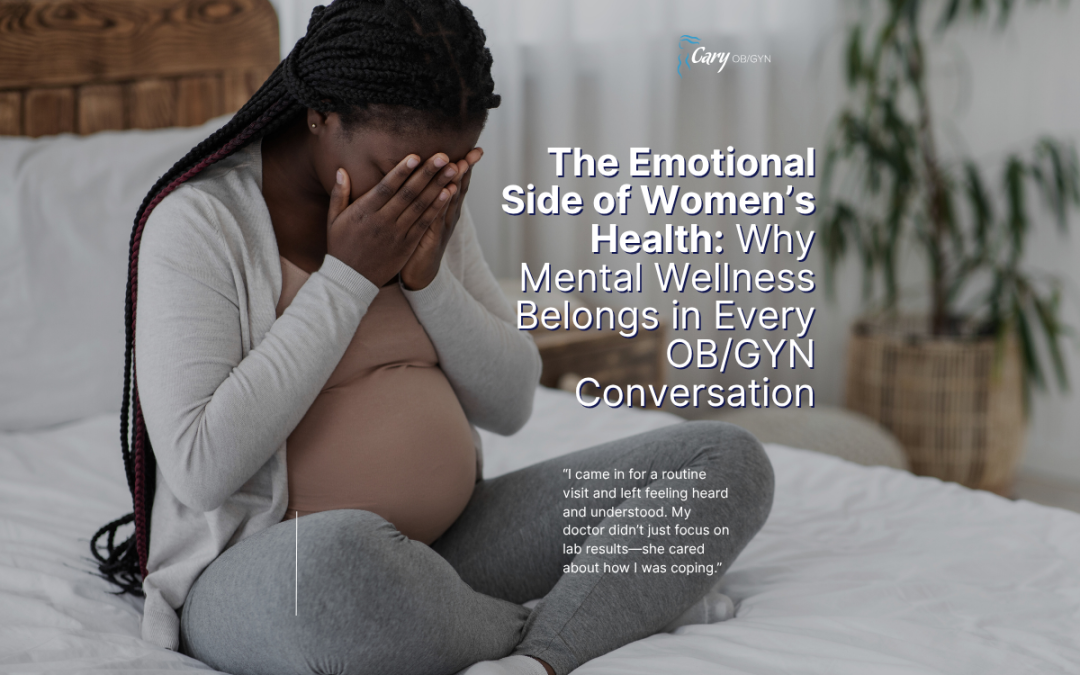
  • “I came in for a routine visit and left feeling heard and understood. My doctor didn’t just focus on lab results—she cared about how I was coping.”


Quick Summary

Topic: The connection between emotional wellness and women’s health.
Purpose: To encourage women to view mental health as a vital part of reproductive and overall health.
Goal: Inspire patients to discuss emotional changes openly with their OB/GYN.

Why Mental Health Belongs in Women’s Healthcare

For too long, emotional health and physical health have been treated as separate issues. Yet for women, hormones, life transitions, and reproductive cycles deeply influence mental well-being.

At Cary OB/GYN, mental wellness is recognized as a critical part of whole-person care. From adolescence through menopause, women experience significant hormonal changes that can affect mood, sleep, energy, and relationships.

“Our approach to women’s health includes the emotional side because how you feel is just as important as what your lab work shows.”

The Mind-Body Connection

Hormones like estrogen, progesterone, and cortisol all play major roles in regulating mood and stress response. When these hormones fluctuate, they can influence how women feel emotionally and physically.

Examples of Common Mind-Body Interactions:

  • PMS and Mood Swings: Hormonal shifts before menstruation can cause irritability, sadness, or fatigue.
  • Postpartum Depression: Rapid hormone changes after childbirth can trigger depression or anxiety.
  • Perimenopause and Anxiety: Fluctuating estrogen levels may cause restlessness, insomnia, or panic episodes.
  • Infertility-Related Stress: The emotional toll of fertility challenges can heighten feelings of frustration or grief.

These conditions aren’t “all in your head.” They are physiological and emotional processes intertwined—and your OB/GYN is often the first medical professional able to recognize the signs.

Common Mental Health Concerns Women Experience

Women are statistically more likely than men to experience depression and anxiety, particularly during times of hormonal change. Cary OB/GYN routinely screens for emotional well-being at all stages of life.

1. Premenstrual Syndrome (PMS) and PMDD

Mild PMS is common, but for some women, symptoms become severe and disruptive. Premenstrual Dysphoric Disorder (PMDD) can cause intense mood swings, depression, and physical discomfort.

Treatment may include lifestyle changes, medication, or hormonal management to stabilize mood and reduce symptoms.

2. Perinatal and Postpartum Depression

After childbirth, up to 1 in 7 women experience postpartum depression. Symptoms may include sadness, loss of interest, anxiety, or difficulty bonding with the baby. Cary OB/GYN takes a proactive approach with postpartum screenings, support referrals, and compassionate follow-up care.

“I thought I was just tired, but my provider at Cary OB/GYN recognized that I was struggling and helped me get the support I needed.”

3. Anxiety Disorders

Anxiety can emerge at any stage of life, often linked to hormonal changes, sleep disruption, or life stress. Your OB/GYN can help identify whether symptoms are situational, hormonal, or part of a broader anxiety disorder—and connect you to the right resources.

4. Menopause-Related Emotional Changes

During menopause, declining estrogen can contribute to irritability, sadness, or memory difficulties. Addressing these concerns through hormonal or lifestyle management can improve mood and quality of life.

Why OB/GYNs Are Often the First Line of Support

Many women see their OB/GYN more frequently than any other healthcare provider. This makes OB/GYN visits an ideal time to discuss emotional changes and stress-related symptoms.

Providers at Cary OB/GYN view each appointment as a safe space for open conversation. Whether you’re struggling with anxiety about fertility, mood swings, or postpartum challenges, your provider can help you feel validated and supported.

How Emotional Health Is Integrated Into Every Visit:

  • Screening for mood and anxiety symptoms during routine checkups.
  • Asking open-ended questions about stress, sleep, and daily function.
  • Reviewing how hormones or medications may be influencing emotions.
  • Offering compassionate referrals for counseling or therapy when appropriate.

“We believe mental wellness is part of preventive care. Addressing stress and mood early can improve long-term physical health.”

The Impact of Stress on Physical Health

Chronic stress can affect more than mood—it can influence menstrual cycles, fertility, and cardiovascular health.

Physical Effects of Long-Term Stress:

  • Irregular or missed periods
  • Worsened PMS symptoms
  • Elevated blood pressure and heart rate
  • Difficulty conceiving
  • Weakened immune system
  • Poor sleep and increased fatigue


Managing stress through both medical and behavioral support can improve outcomes across all aspects of women’s health.

Tools and Support for Emotional Wellness at Cary OB/GYN

Cary OB/GYN offers an integrated approach that blends clinical care with emotional support and lifestyle guidance.

1. Mindful Communication and Active Listening

Every patient interaction is built on compassion and respect. Providers take time to listen, validate your concerns, and ensure you feel seen and understood.

2. Hormonal and Nutritional Balance

Hormones play a major role in emotional health. When appropriate, your provider may explore:

  • Hormone therapy for perimenopause or menopause
  • Thyroid and adrenal function testing
  • Nutritional counseling to support mood and energy levels


3. Collaborative Mental Health Care

When specialized mental health support is needed, Cary OB/GYN connects patients with trusted local therapists, psychiatrists, and support groups. Collaboration ensures seamless, coordinated care.

4. Lifestyle Strategies for Wellness

Simple, consistent changes can make a big difference in emotional balance.

  • Exercise: Regular movement improves mood and reduces anxiety.  
  • Sleep: Restorative sleep helps regulate hormones and stress response.  
  • Diet: Nutrient-rich foods support brain health and energy levels.  
  • Connection: Talking openly with friends, partners, or therapists promotes resilience.  

“You can’t always control hormonal changes, but you can control how you care for yourself through them.”

How to Talk to Your OB/GYN About Mental Health

It can feel intimidating to bring up emotional symptoms during a medical visit, but your OB/GYN is here to help.

Tips for Starting the Conversation:

  • Be honest about how you’ve been feeling, even if symptoms seem minor.
  • Mention any changes in sleep, energy, appetite, or focus.
  • Note how symptoms align with your cycle or life events.
  • Ask if your hormones, medications, or birth control might be contributing.
  • Don’t wait until symptoms become severe—early support makes recovery easier.


Remember, mental health is healthcare. Speaking up is the first step toward relief and healing.

Cary OB/GYN’s Commitment to Whole-Person Care

Cary OB/GYN’s providers believe that every woman deserves care that treats both her body and her emotions. Whether you’re managing PMS, postpartum transitions, or menopause, your provider will work with you to create a plan that addresses all aspects of your well-being.

“I’ve been a patient for years, and what stands out most is how much they truly care. They don’t just treat symptoms—they treat people.”

By recognizing the importance of emotional wellness, Cary OB/GYN helps women move through life’s challenges with strength, balance, and confidence.

Final Thoughts

Mental health and women’s health are inseparable. When emotional well-being is part of the conversation, women experience better outcomes, stronger relationships, and greater peace of mind.

At Cary OB/GYN, every visit is an opportunity to nurture both your physical and emotional health. The result is care that empowers women to thrive—not just survive—through every stage of life. Contact Cary OB/GYN in Cary and Morrisville, NC, to schedule an appointment: https://www.caryobgyn.com/contactus.

Vaginal Discharge: What’s Normal and What’s Not?

Vaginal Discharge: What’s Normal and What’s Not?

Vaginal discharge is a natural part of the reproductive system, but changes in color, odor, or consistency can sometimes signal an issue. Understanding what’s normal—and what’s not—can help you know when it’s time to contact your OB/GYN.

At Cary OB/GYN in North Carolina, we want our patients to feel confident and informed about their bodies. Here’s what you should know about vaginal discharge and when it may warrant a closer look:
https://www.caryobgyn.com/contactus/

What Is Vaginal Discharge?

Vaginal discharge is a fluid made by glands inside the vagina and cervix that helps keep the vagina clean and free from infection. It also serves important functions such as lubrication and maintaining a healthy vaginal pH. Normal discharge can vary throughout your menstrual cycle and may look different depending on age, hormone levels, and sexual activity.

What’s Considered Normal?

Normal discharge typically has these characteristics:

  • Color: Clear, white, or off-white
  • Texture: Thin or slightly thick, like egg whites
  • Amount: Varies from light to moderate, depending on the time of month
  • Odor: Mild or no odor

It’s common for discharge to increase during ovulation, pregnancy, or sexual arousal. As long as it remains consistent with your body’s usual patterns, it’s likely nothing to worry about.

When Discharge May Be a Concern

Changes in discharge may signal an underlying condition. If you notice any of the following, it’s best to contact your provider:

  • Yellow or green color – may indicate an infection like trichomoniasis
  • Grayish color with a fishy smell – could be a sign of bacterial vaginosis
  • Thick, white, and clumpy texture – often associated with a yeast infection
  • Foamy or frothy appearance – can be linked to certain STIs
  • Brown or bloody discharge outside of menstruation – could point to hormonal imbalances, polyps, or more serious conditions
  • Itching, burning, or irritation – a sign your body is reacting to an infection or imbalance

Common Causes of Abnormal Discharge

  • Yeast infections
  • Bacterial vaginosis
  • Sexually transmitted infections (STIs)
  • Hormonal fluctuations
  • Foreign bodies (e.g., forgotten tampon)

If you’re experiencing symptoms that don’t feel right, don’t wait. A timely evaluation can lead to quick relief and help prevent complications.

When to See Your OB/GYN

If you’re unsure whether your discharge is normal or if you’re experiencing additional symptoms like pelvic pain, itching, or an unpleasant odor, it’s important to schedule a visit with your gynecologist. At Cary OB/GYN, our team provides compassionate, judgment-free care to help you stay in tune with your body and your health.

Visit us at our locations in North Carolina or schedule an appointment here:
https://www.caryobgyn.com/contactus/

Further Reading

ACOG- Vaginitis